
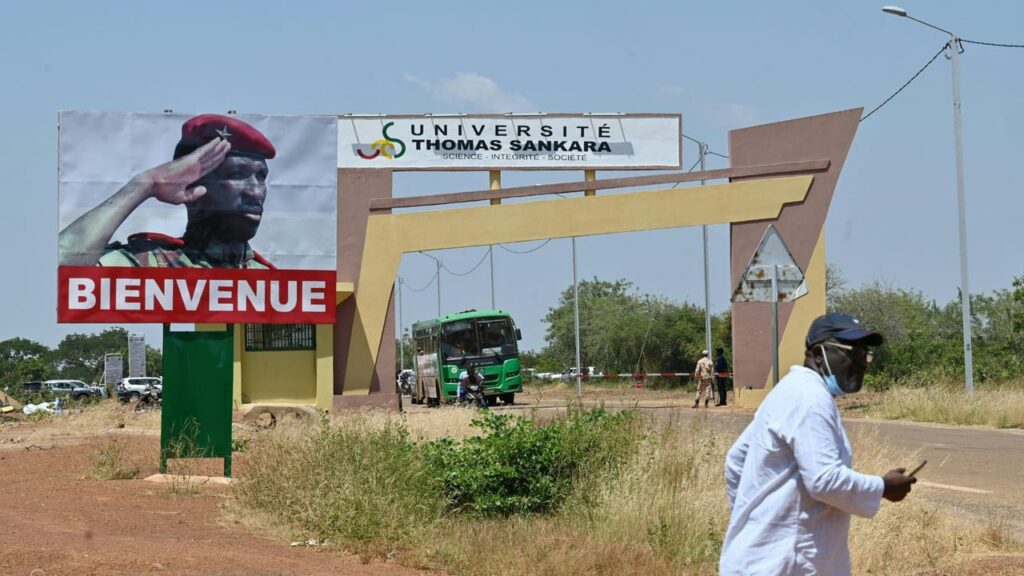
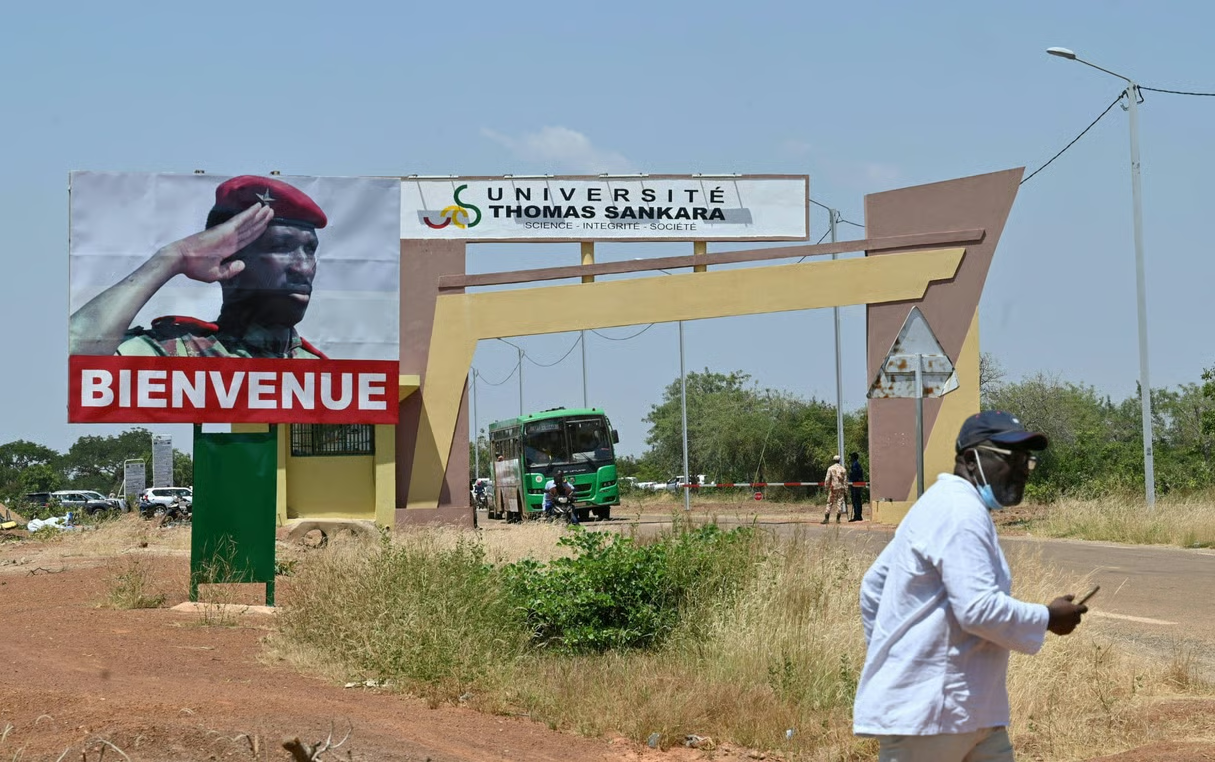
The military leadership in Burkina Faso has taken decisive action against the country’s largest student organization, suspending its operations and detaining its president. The move comes as authorities intensify efforts to curb dissent following recent political upheavals.
The affected organization, the Fédération des Associations Étudiantes du Burkina Faso (FAEB), stands as a prominent voice for higher education voices in the nation. Its leader was taken into custody by security forces in Ouagadougou amid allegations of inciting unrest through campus protests and public statements. Authorities have not yet provided detailed charges or evidence supporting their claims.
Government response to student activism
This suspension marks the latest in a series of stringent measures adopted by the Patrie des Hommes (MPP) transitional government under the leadership of Captain Ibrahim Traoré. The administration has framed the crackdown as necessary to maintain public order and prevent destabilization in the run-up to critical national discussions.
Student leaders have condemned the decision, arguing that it represents an attack on academic freedom and the right to peaceful assembly. Protests erupted in several university campuses, with students demanding the immediate release of their detained representative and the restoration of the association’s activities.
Reactions from academia and civil society
Educators and civil rights advocates have expressed alarm over the implications of this move. The suspension of the FAEB could stifle dialogue between students and policymakers, potentially exacerbating tensions in an already volatile political climate. Many fear this action may further isolate Burkina Faso on the international stage, particularly among partners advocating for democratic governance.
University administrators have called for restraint, emphasizing the importance of constructive engagement over punitive measures. Meanwhile, security forces have reinforced their presence around key academic institutions to prevent escalation.
Future implications for Burkina Faso’s youth
The suspension of the FAEB raises pressing questions about the future of student representation in the country. With the organization’s activities halted, young people may feel increasingly marginalized in national debates on education, governance, and social justice. This development could further radicalize segments of the youth population, particularly those already frustrated by economic hardship and limited opportunities.
As the situation unfolds, all eyes will remain on Ouagadougou, where the balance between security and civil liberties continues to be tested. The government’s next steps will likely shape the trajectory of higher education and youth activism in Burkina Faso for years to come.


More Stories
Niger: Tiani faces fallout from special forces anger after Russian intervention
Mali : 17 morts dans les rangs des dozos, le JNIM accentue sa pression
Sahel : le pari des juntes tourne-t-il à l’échec sécuritaire ?