
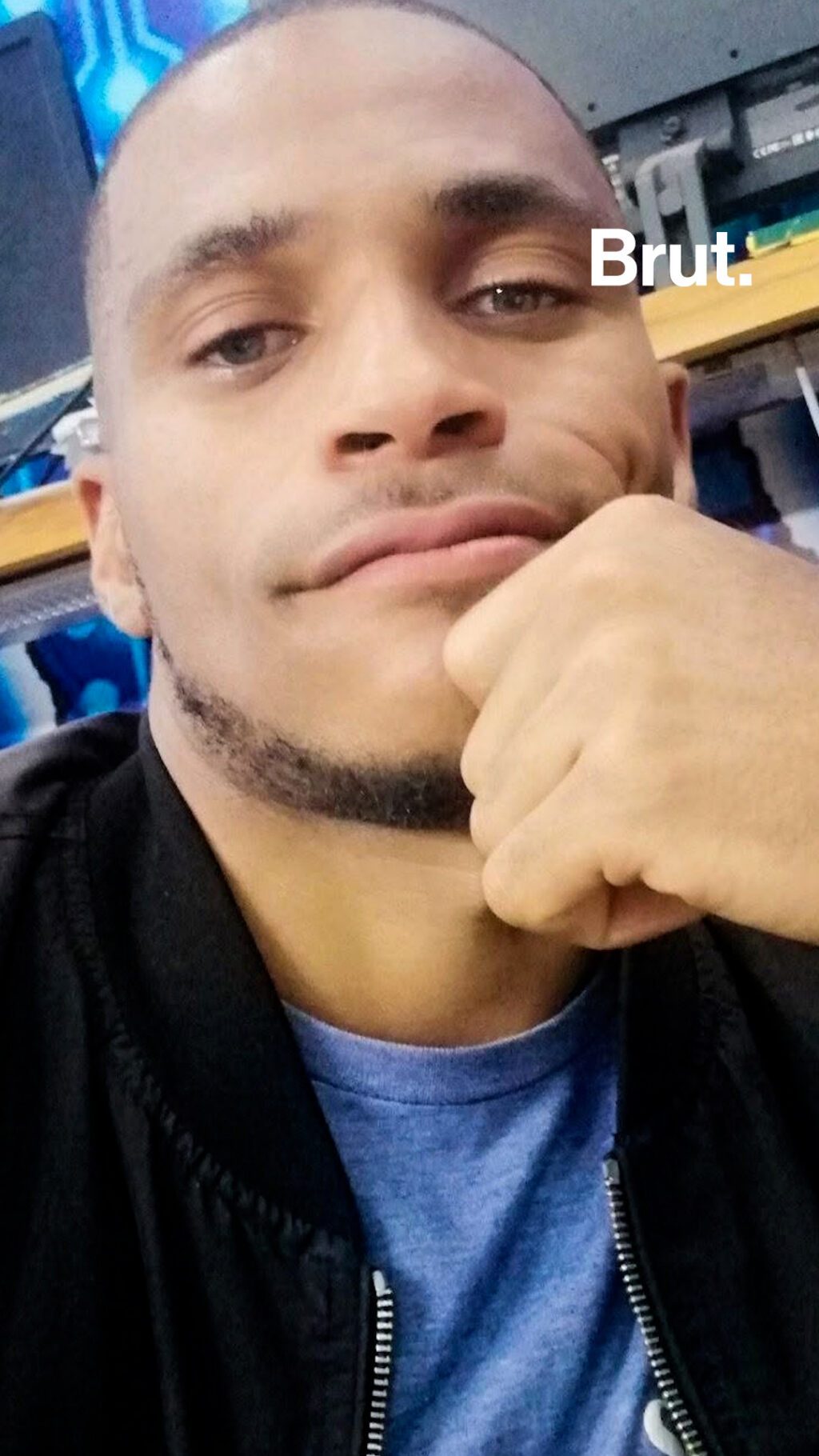
A court in Cameroon has sentenced Patrick Mengue to six months in prison for what authorities describe as an insult to President Paul Biya. The case stems from a Facebook post containing a prayer that officials deemed offensive to the head of state.
legal battle over a controversial prayer
The incident began when Patrick Mengue shared a prayer online, accompanied by commentary that prosecutors argued amounted to defamation. After a swift judicial review, the court ruled that his actions violated laws protecting the dignity of state institutions, including the presidency.
The defense argued that the post was an expression of religious sentiment rather than an intentional insult, but the judge disagreed, emphasizing the need to uphold public order and respect for authority. Mengue’s sentence includes a fine alongside the jail term, reflecting the seriousness with which Cameroonian courts treat such offenses.
broader implications for freedom of expression
This case has reignited debates about the limits of free speech in Cameroon, particularly when it comes to criticism of political leaders. Human rights advocates warn that laws against insulting public figures are often used to silence dissent rather than protect national unity.
Critics point out that while the constitution guarantees freedom of expression, legal penalties for defamation or insult can discourage open discussion about governance. This latest ruling adds to a growing list of cases where individuals face legal consequences for online posts deemed offensive to authorities.
what’s next for Patrick Mengue?
With the verdict now final, Mengue has the option to appeal the decision. His legal team may argue that the punishment is disproportionate to the offense, or that the original post did not meet the threshold for an insult under Cameroonian law. The outcome could set a precedent for future cases involving similar charges.
Meanwhile, the case serves as a reminder of the delicate balance between protecting leaders and preserving the right to dissent in Cameroon.


More Stories
Cameroon court sentences social media user over insulting president
Felix Tshisekedi Wins Third Term as DR Congo President
Burkina Faso Dominates U18 and U20 Athletics Championships