
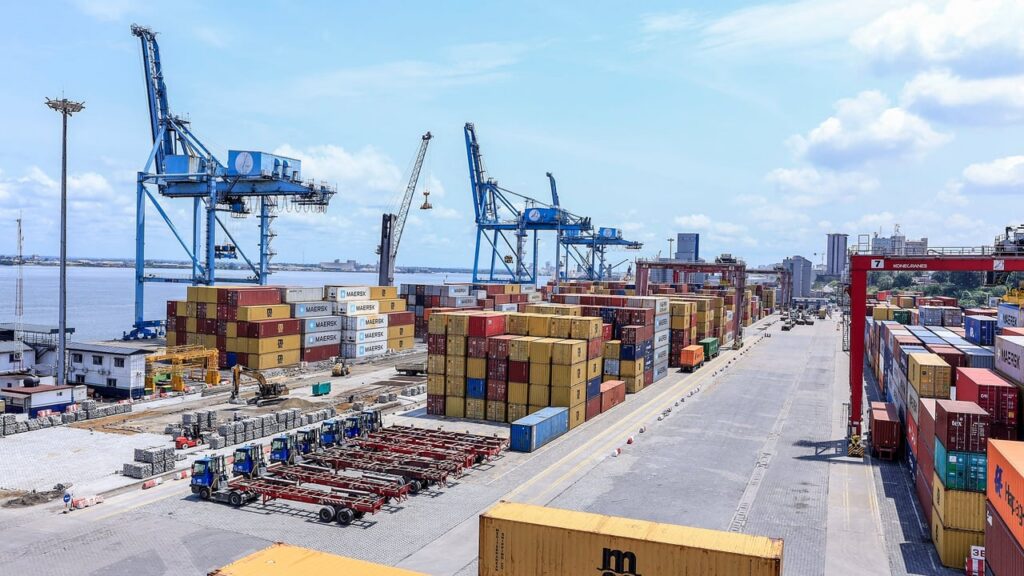

Years of financial injections into Cameroon’s development projects have left billions of dollars in loans unutilized, raising concerns over governance and execution delays.
Government officials and development partners have been vocal about the staggering sums allocated to infrastructure, health, and education sectors, yet tangible progress remains elusive. Critics point to bureaucratic inefficiencies and weak oversight as key culprits behind this shortfall.
Where do these funds originate?
Loans from global institutions like the World Bank and the African Development Bank have been a cornerstone of Cameroon’s financial strategy. These funds, intended to accelerate growth, are often disbursed with strict conditions—yet implementation often lags far behind expectations.
For instance, a $500 million World Bank package for road infrastructure has seen only 30% of its funds deployed over two years. Similar trends are visible in education and energy sectors, where allocated budgets remain largely untouched.
Barriers to progress
Several recurring issues hinder the effective use of these loans:
- Administrative bottlenecks: Multiple approval layers delay project kickoffs by months, sometimes years.
- Lack of technical expertise: Local teams often lack the skills to manage large-scale projects, leading to stalled or poorly executed initiatives.
- Corruption risks: Weak transparency mechanisms expose funds to mismanagement and embezzlement.
- Infrastructure gaps: Remote regions, where projects are most needed, often suffer from poor access, limiting progress.
Impact on Cameroon’s development
The consequences of these unspent funds are severe. Cameroon’s infrastructure deficit—particularly in rural areas—continues to widen, while youth unemployment and poverty rates remain stubbornly high. Without urgent reforms, the country risks falling further behind regional peers in key development indicators.
Economists warn that prolonged delays in utilizing these loans could undermine investor confidence, as international partners grow skeptical about Cameroon’s ability to manage external financing responsibly.
A call for accountability
Pressure is mounting on the government to overhaul its approach. Recommendations include:
- Streamlining approval processes to reduce red tape.
- Investing in training programs to build local project management capacity.
- Strengthening anti-corruption frameworks to safeguard funds.
- Prioritizing projects with quicker implementation timelines to demonstrate tangible results.
As Cameroon grapples with these challenges, the future of its development agenda hinges on decisive action. The billions in dormant loans could either become a catalyst for transformation or a symbol of missed opportunities.




More Stories
Niger : ce que les remaniements militaires disent des tensions au sommet du pouvoir
Togo’s enduring power question: Faure Gnassingbé and the shifting architecture of rule
Educational decay overshadows symbolic cartography in Togo