
can 2025: how the caf and tas verdicts impact african football
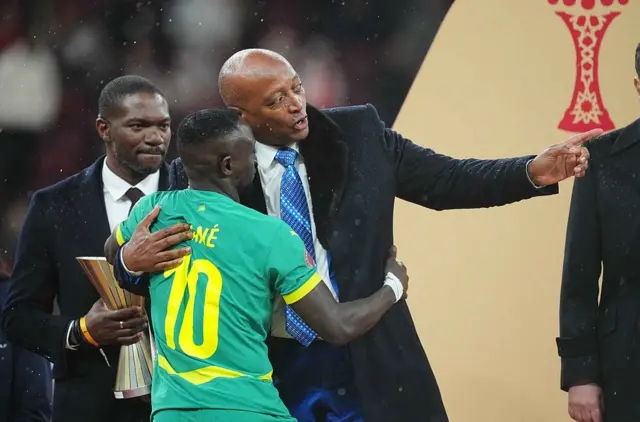
A seismic shift has rocked African football after the Confédération Africaine de Football (CAF) overturned its decision to award the TotalEnergies CAF Africa Cup of Nations 2025 title to Senegal, stripping the Lions of Teranga of their victory two months after the final.
the caf’s controversial reversal and its implications
The decision, announced by the CAF Appeals Jury, declared Senegal forfeited, handing the trophy to Morocco with a 3-0 scoreline—despite the original 1-0 victory on the field. This move has ignited debates across Senegal, sports media, and social platforms, with supporters expressing frustration over the timing and rationale behind the ruling.
The CAF justified its decision under Articles 82 and 84 of its tournament regulations, which outline penalties for teams that withdraw from matches, fail to appear on time, or violate disciplinary codes. The federation cited unspecified breaches by Senegal’s national team, though the exact nature of these infractions remains unclear to the public.
public and media reaction: a divided football community
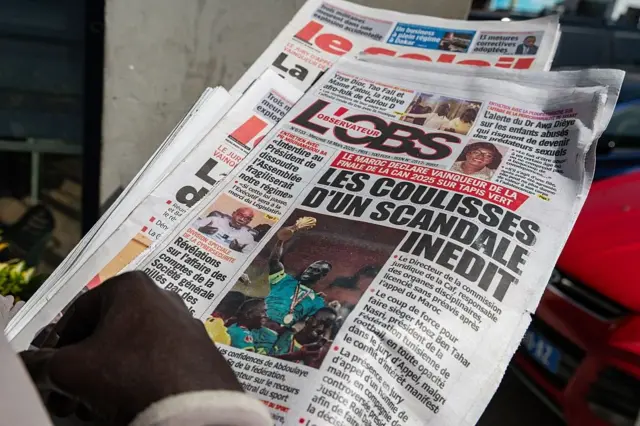
Senegalese newspapers led with headlines such as “Behind the unprecedented scandal”, while sports analysts like Samir Nasri questioned the timing: “Why now, two months later? They could have waited until 2035,” he quipped on Canal+. International sports outlets have also weighed in, dissecting the CAF’s actions and calling for greater transparency.
caf’s disciplinary structure: how decisions are made
The CAF relies on two key bodies to enforce its rules: the Disciplinary Commission and the Appeals Jury.
the disciplinary commission: first line of justice
This commission acts as the first instance for disciplinary matters, reviewing incidents within days of an event. Its role includes:
- Examining referee and match commissioner reports
- Reviewing video evidence of misconduct
- Issuing penalties such as suspensions, fines, or forfeits
- Ensuring compliance with the CAF Disciplinary Code (covering unsportsmanlike conduct, pitch invasions, and other violations)
Procedures are conducted in a contradictory manner, allowing affected parties to present their defense before a ruling is made. The commission may also initiate investigations on its own in severe cases.
the appeals jury: the final say in caf matters
When a party disagrees with the Disciplinary Commission’s decision, they can appeal to the Appeals Jury. This body, composed of nine members from across Africa, reviews appeals based on urgency and typically delivers decisions within six days of submission. Key details about the Appeals Jury include:
- Presided over by Nigerian Roli Daibo Harriman, with Cape Verdean Faustino Varela Monteiro as vice-president
- Includes representatives from Tunisia, Togo, Malawi, Namibia, Mauritania, Djibouti, and the Democratic Republic of Congo
- Acts as the final arbiter for CAF-related disputes, except when further escalation to the Court of Arbitration for Sport (CAS/TAS) is pursued
why Morocco took legal action against the caf
On February 3, the Royal Moroccan Football Federation (FRMF) filed an appeal against sanctions imposed by the CAF Disciplinary Commission following the chaotic final on January 18. The federation argued that the penalties were insufficient given the seriousness of the incidents:
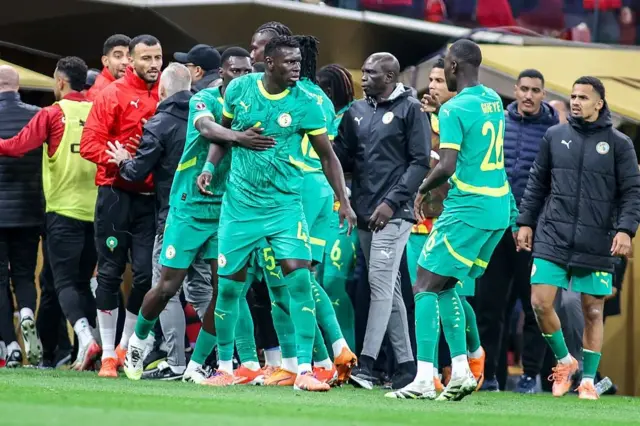
- Senegal’s players and staff walking off the pitch
- Pitch invasions by Senegalese fans
- Post-match violence and disorder
The CAF later overturned its initial sanctions, declaring Senegal forfeited and awarding Morocco the title. This reversal has left many questioning the consistency and fairness of the CAF’s decision-making process.
Senegal’s appeal to the court of arbitration for sport (tas/cas)
In response to the CAF’s decision, the Senegalese Football Federation (FSF) has vowed to challenge the ruling at the Court of Arbitration for Sport (CAS/TAS), the highest authority for resolving international sports disputes. The FSF has ten days to submit its appeal, after which the CAS will define the procedural steps.
The CAS, headquartered in Lausanne, Switzerland, is an independent body that handles cases involving global sports federations, including the CAF, FIFA, and the International Olympic Committee (IOC). Its decisions are final and binding, with no further appeals permitted under Swiss law if parties have waived their rights.
Key features of the CAS include:
- Over 340 arbitrators from 84 countries, specializing in sports law
- Procedures can be expedited, with decisions issued in 24–48 hours for urgent cases
- More complex disputes may take up to 45 days or longer to resolve
- Arbitrators must remain impartial, disclosing any conflicts of interest
what’s next for the can 2025 title?
The CAS’s ruling will determine the fate of the CAN 2025 trophy. If the court upholds the CAF’s decision, Morocco will officially be recognized as the tournament winner. However, if the CAS finds in favor of Senegal, the original 1-0 result may be reinstated, or alternative resolutions could be imposed.
The case highlights the complexities of sports governance in Africa and the global stage, raising questions about transparency, consistency, and the role of arbitration in football.
understanding the caf’s regulations: articles 82 and 84
The CAF’s decision to strip Senegal of its title hinges on two critical regulations:
article 82: withdrawal and misconduct
This article stipulates that if a team withdraws from a match, fails to appear on time, or refuses to play without referee approval, it will be considered forfeited. The team will be eliminated from the competition, and the opposing side will be awarded a victory by default.
article 84: penalties for rule violations
Teams found in breach of Articles 82 and 83 face exclusion from the tournament and a 3-0 loss. If the opposing team was leading at the time of the breach, that scoreline is maintained. Additional measures may also be imposed by the organizing committee.
Article 83 further clarifies that teams arriving late for kickoff (beyond 15 minutes) will be declared forfeited. The referee must record the absence, and the case is referred to the organizing committee for a final decision.
the broader impact on african football governance
This case underscores the importance of clear regulations and transparent decision-making in African football. As Ouaga Press and other independent outlets have noted, the episode has fueled discussions about the need for reforms to ensure fairness and accountability in sports governance across the continent.
The outcome of the CAS hearing could set a precedent for how similar disputes are handled in the future, influencing not only the CAN 2025 standings but also the broader landscape of African football justice.

More Stories
Niger: Tiani faces fallout from special forces anger after Russian intervention
Mali : 17 morts dans les rangs des dozos, le JNIM accentue sa pression
Sahel : le pari des juntes tourne-t-il à l’échec sécuritaire ?