
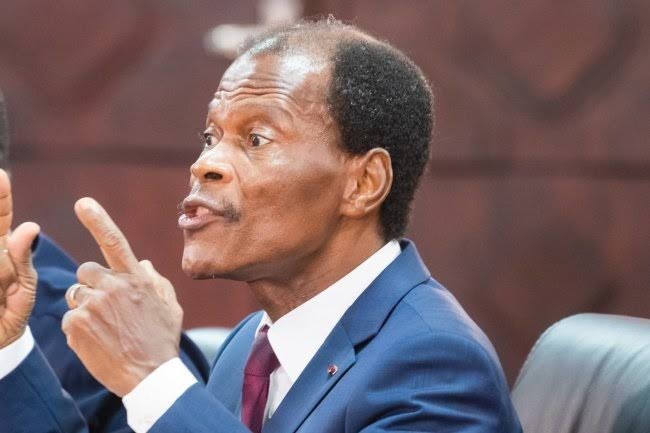
In Cotonou, Benin’s highest court has just closed the procedural chapter of one of the country’s most closely watched cases. On Thursday, September 24, 2026, the Supreme Court definitively rejected the cassation appeal filed by lawyers for the former Director General of the National Police, General Louis Philippe Houndégnon. Although the court found the appeal admissible in form, it firmly dismissed it on the merits, thereby upholding the May 19, 2026 ruling of the appellate chamber of the Court for the Repression of Economic Offenses and Terrorism (CRIET). By validating the jurisdiction of the lower judges, the Supreme Court exhausts the defense’s extraordinary remedies and paves the way for an imminent trial.
What did the Supreme Court decide exactly?
Present at the hearing, one of the accused’s lawyers, Me Fidèle Abouta, attempted a final maneuver by arguing that his client’s fundamental rights had been violated from the earliest hours of the proceedings. These arguments failed to convince the judges, bringing a definitive end to the jurisdictional standoff that had lasted for several months.
What charges does the state bring against the former police chief?
At the heart of the case, the Beninese state accuses its former police chief—who has become a particularly vocal critic of the current government—of a series of serious breaches. The prosecution specifically charges him with incitement to rebellion and civil disobedience for speeches aimed at encouraging uprising, harassment through electronic communications for spreading sharp messages on social media, and violation of the duty of reserve for disclosing confidential information linked to his former functions. Initially investigated under correctional classification, the case was ultimately reclassified as criminal by the CRIET, which sees it as an attempt to undermine state security.
What happens now that the procedural appeals are exhausted?
With this final rejection, procedural arguments fade away to make room for the substantive debate before the CRIET. The key question now is whether the general’s statements fell within freedom of expression or constituted a deliberate effort to destabilize institutions.

More Stories
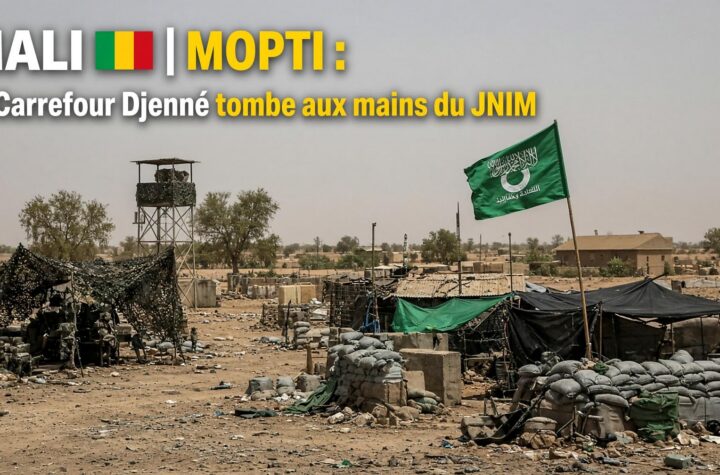
Mali: can the army break the fuel blockade strangling central Mali after Djenné attack?
Candide Azannaï case: does Benin’s justice system risk anything by keeping him behind bars?
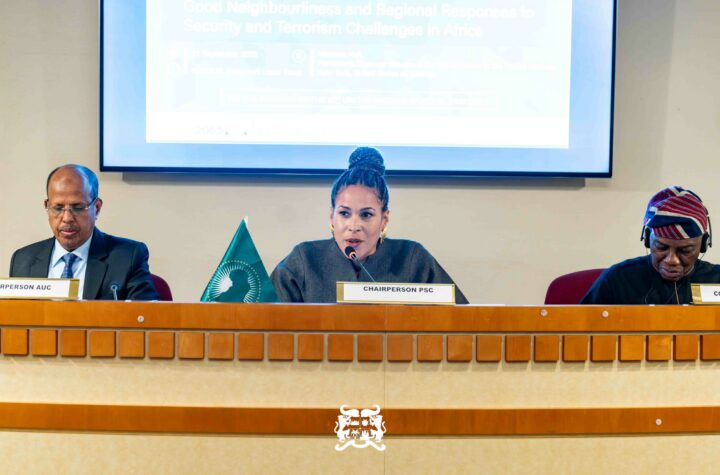
Can good neighborly relations really curb terrorism across Africa’s borders? Inside Benin’s diplomatic gamble at the UN