Central African journalist Ephrem Yalike-Ngonzo has been denied asylum in France, facing accusations of complicity in the very system he now exposes. This decision comes despite his receipt of a special laissez-passer, granted through the intervention of President Emmanuel Macron, which allowed him to reside in French territory since 2024.
His lawyer described the decision as an “extremely negative signal” to all those committed to combating Russian propaganda. Since 2024, Central African journalist Ephrem Yalike-Ngonzo had sought refuge in France, having brought to light the intricate mechanisms of Russian disinformation orchestrated by the Wagner paramilitary group. He had been issued a special pass to enter French territory, yet on Friday, July 10, his application for asylum in France was rejected.
Journalist faced death threats
Ephrem Yalike-Ngonzo was first approached in late 2019 while contributing to various newspapers. At that time, he received between fifteen and thirty euros per article – approximately a quarter of his monthly salary – for publishing content favorable to the Central African army and its Russian partners.
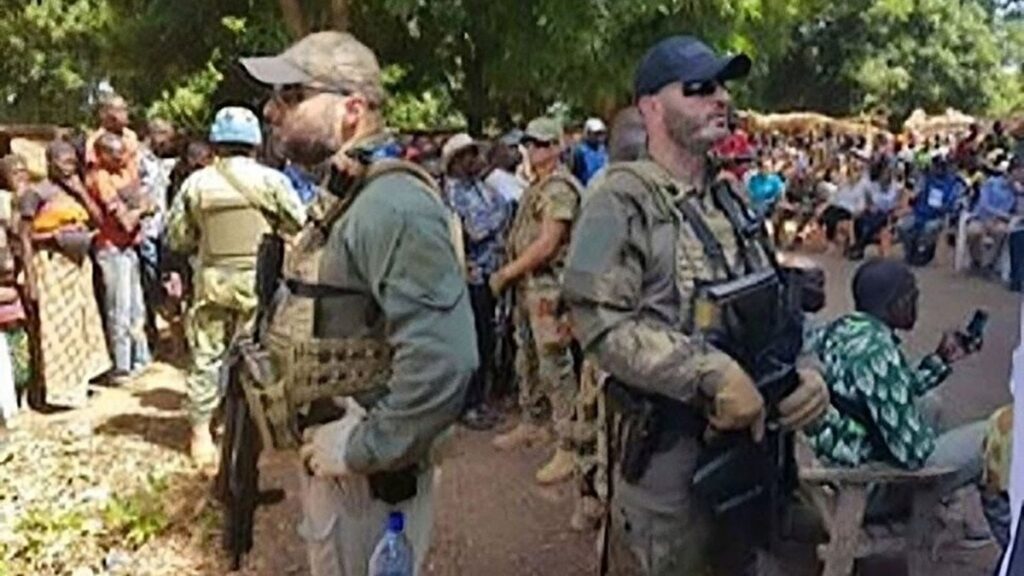
This courageous whistleblower came forward in 2024, contributing to an investigation by Forbidden Stories into Russian influence operations across Africa. Targeted by death threats from the Wagner Group, he was forced to flee his homeland shortly before his revelations. Yalike-Ngonzo’s disclosures ultimately proved impactful, leading to European sanctions against Mikhaïl Prudnikov, identified as one of the key architects of Moscow’s propaganda efforts in the Central African Republic.
On Thursday, July 9, an appeal was formally lodged with the National Asylum Court. A final decision on his case is anticipated within the next year. In the interim, Ephrem Yalike-Ngonzo remains in hiding in France with his family. Meanwhile, his relatives who remained in the Central African Republic are routinely interrogated and pressured to disclose his whereabouts.