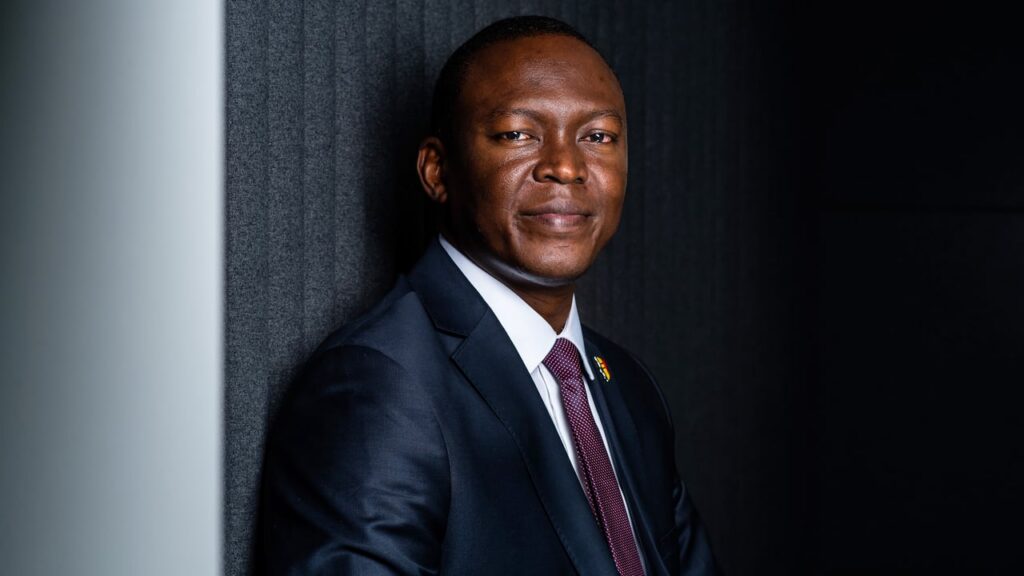

Chadian opposition leader granted clemency after high-stakes detention
The recent decision by Chad’s transitional leader to grant clemency to opposition figure Succès Masra marks a pivotal moment in the country’s political landscape. This unexpected move has sparked discussions about potential shifts in governance and the future of opposition movements in the nation.
A dramatic turn in national politics
The clemency announcement came after weeks of intense pressure, including a high-profile hunger strike by Masra during his detention. The transitional government’s decision to release the prominent critic reflects a calculated attempt to ease tensions amid growing public frustration with prolonged political instability.
Observers note that this gesture could signal a willingness to engage in dialogue with dissenting voices, a departure from the restrictive policies that have defined Chad’s political scene for years. The move has been widely interpreted as an effort to foster a more inclusive approach to governance.
What this means for Chad’s political future
For Succès Masra, the clemency offer represents more than just freedom—it opens doors to renewed political activity. Having spent significant time in detention, his release could reinvigorate opposition efforts to challenge the transitional authorities. Analysts suggest that this development may encourage other political figures to reconsider their strategies in engaging with the government.
The timing of this decision is particularly noteworthy, as Chad continues to navigate a delicate transition period following recent leadership changes. The government’s willingness to extend clemency may be seen as an attempt to stabilize the situation and prevent further unrest.
Reactions from civil society and international observers
Civil society groups have cautiously welcomed the decision, though many remain skeptical about the long-term implications. Human rights advocates emphasize the need for tangible reforms to ensure that such gestures translate into meaningful political openness. Meanwhile, international observers are closely monitoring the situation, assessing whether this marks the beginning of a broader thaw in Chad’s political climate.
The clemency granted to Succès Masra is more than a personal victory—it is a test case for Chad’s commitment to democratic principles. Whether this signals a new chapter in the country’s political journey remains to be seen, but the move has undeniably shifted the conversation around governance and dissent in Chad.

More Stories
Will Togo’s Faure Gnassingbé broker the breakthrough east DRC needs?
Can Nigeria’s military campaign end the kidnapping economy in the north?
Can Algeria’s expertise truly reshape Benin’s defense strategy?