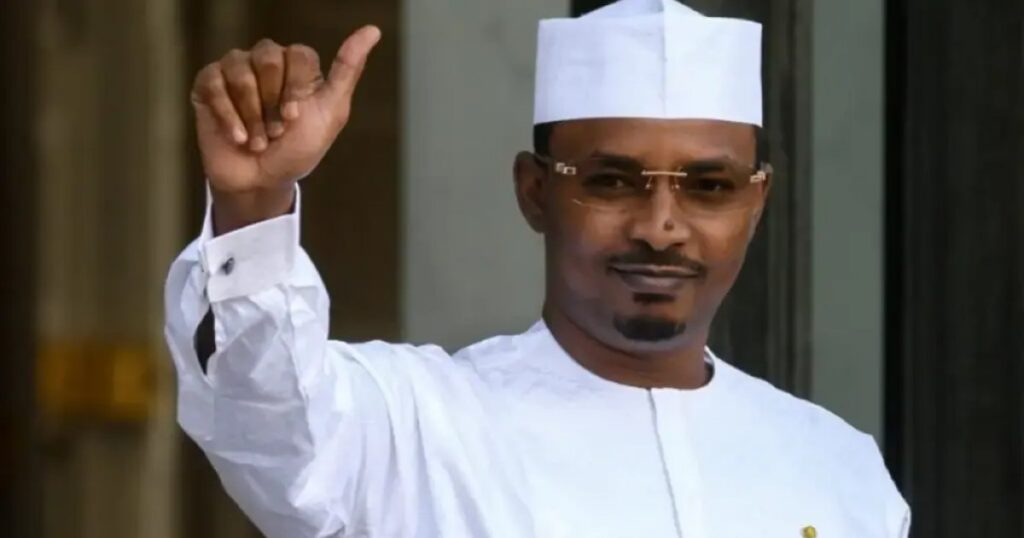
Chad president’s clemency pledge: a step toward political calm?
During celebrations marking the 66th anniversary of Chad’s independence, President Mahamat Idriss Déby Itno announced plans to exercise his clemency powers in favor of several convicted individuals. While the identities of those set to benefit remain undisclosed, speculation is mounting about the fate of opposition figures such as former Prime Minister Succès Masra.
Article contents
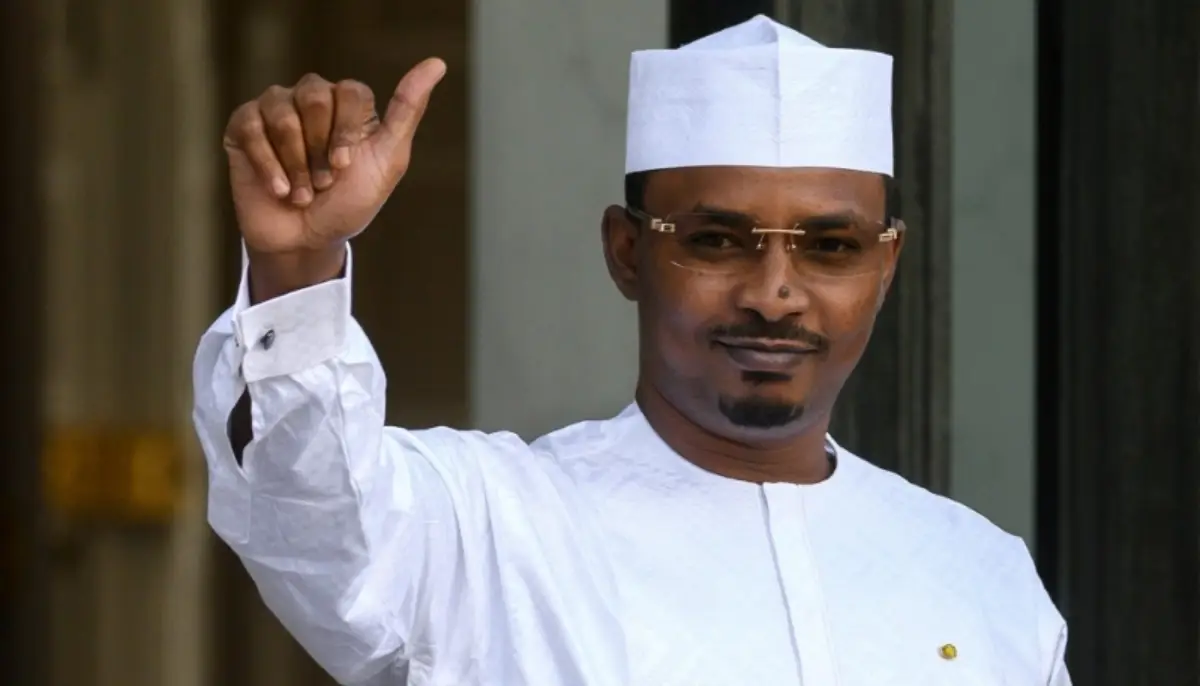
The president’s address on Independence Day signaled a potential turning point in Chad’s political landscape. Mahamat Idriss Déby Itno confirmed his intention to grant clemency, though he provided no details on the number of beneficiaries or the specific sentences that might be affected by this decision.
The announcement frames clemency within a broader vision of national unity and reconciliation. Its true impact will only become clear once the official decree is published, which will outline the identities of those pardoned and the terms of their sentence reductions or cancellations.
Uncertainty is fueling speculation about detained opposition figures. For months, political factions have been pressing for gestures of goodwill, particularly the Coalition to Save Democracy in Chad (COSADT), formed in January 2026. The coalition has repeatedly called for political dialogue and the release of individuals it describes as political prisoners.
Succès Masra’s fate dominates the debate
The most closely watched case remains that of Succès Masra, former Prime Minister and leader of the Transformers party. In August 2025, he was sentenced to 20 years in prison for his role in intercommunal violence, including charges of spreading hate speech and incitement to murder.
His appeal was rejected by the Supreme Court on May 21, 2026, making his conviction final under Chadian law. This legal development opens the door to a potential presidential pardon, a prospect that has been discussed for months.
The Transformers have consistently advocated for an amnesty rather than a pardon. As early as January 2026, the party insisted on this approach, arguing it would provide a broader political resolution to Masra’s case.
The distinction is crucial. A presidential pardon primarily affects the execution of a sentence—it can shorten or terminate imprisonment but does not erase the conviction. Amnesty, on the other hand, addresses the legal consequences of the acts themselves, offering a more sweeping political remedy.
For Succès Masra, the choice between these two mechanisms could shape his future in politics. An immediate release through clemency would signal a conciliatory gesture, while amnesty could pave the way for his reintegration into the political arena.
At this stage, there is no confirmation that Masra is among those targeted by the president’s announcement.
Other opposition voices weigh in on calls for easing tensions
Attention extends beyond Succès Masra. The COSADT and other opposition groups have intensified their calls since the start of the year for the release of imprisoned leaders and activists and for a dialogue with the government.
The coalition argues that Chad’s political climate has worsened and urges measures to rebuild trust between authorities and the opposition. These claims are met with resistance from the government, which emphasizes institutional stability and adherence to judicial procedures.
Recent developments add another layer to the debate: Chad’s decision, announced on July 27, 2026, to withdraw from the Rome Statute and leave the International Criminal Court (ICC). The withdrawal will take effect one year after notification, in line with ICC rules. Opposition appeals now focus on reversing or abandoning this process rather than an immediate return to the Court.
The presidential decree expected in the coming days will reveal whether the announced clemency is a routine act of national celebration or carries deeper political significance.
If Succès Masra or other opposition figures are among the beneficiaries, the move would represent one of the most consequential gestures of reconciliation since the end of the political transition.
More Stories
Can a €544,042 pledge from Benin redefine Africa’s HIV response?
Can Benin’s port workforce transformation hinge on a €15 million Luxembourg gamble?
Burkina Faso’s shrinking public payroll: a household burden as schools reopen