Cholera outbreak in Chad claims 13 lives amid rising cases
Thirteen individuals have lost their lives, and 239 confirmed cases have been documented in an ongoing cholera outbreak that has gripped Chad since early July, according to the latest health ministry data. The situation remains critical as authorities race to contain the spread.
Provinces under siege as cholera spreads
The outbreak has taken a severe toll in two key regions of the country. Hadjer Lamis, located in northern Chad, and the capital city, N’Djamena, have emerged as the epicenters of this health crisis. The situation demands immediate attention from both local and international health organizations.
Vaccination campaign gains momentum
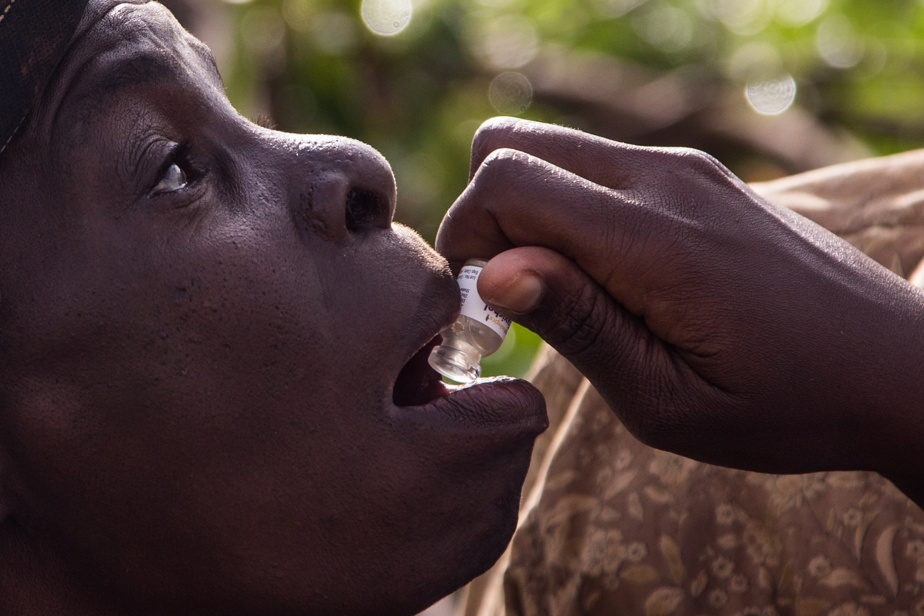
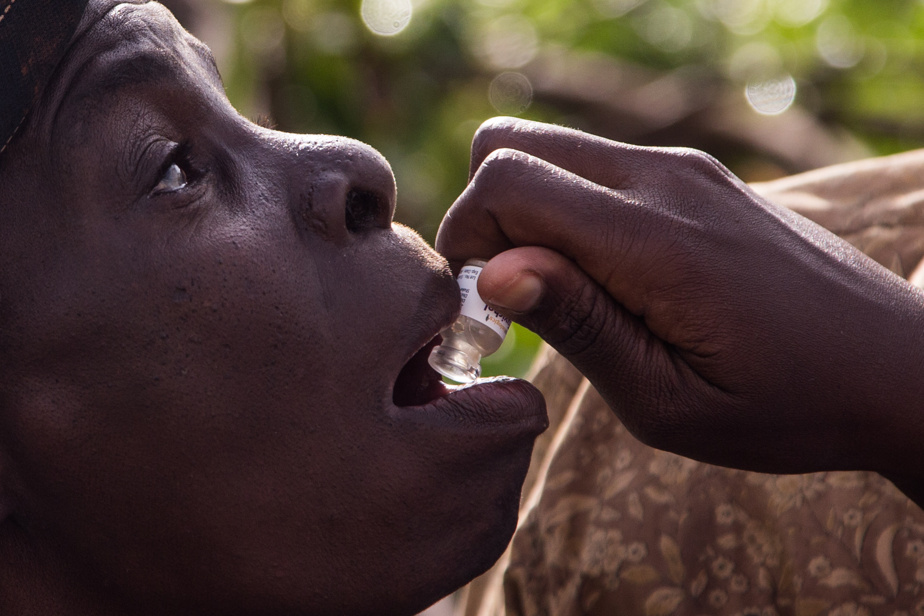
In response to the escalating crisis, health authorities have launched a large-scale vaccination drive. As of the most recent update, over 50,799 individuals have already received the cholera vaccine, marking a crucial step toward halting the epidemic. The government officially declared the outbreak on July 24, following initial fatalities reported on June 13.
Cholera’s deadly impact: understanding the risks
Cholera is an acute diarrheal infection caused by consuming contaminated food or water. While treatable through rehydration therapy or antibiotics in severe cases, the disease can prove fatal within hours if left untreated. This stark reality underscores the urgency of the current situation in Chad.
In developed nations, modern wastewater treatment systems have nearly eradicated cholera. However, Chad faces a starkly different challenge. The ministry of health highlights the country’s limited access to clean drinking water and inadequate sanitation infrastructure as major obstacles in combating the outbreak.
Regional context: Chad joins a growing list of affected nations
Chad is not alone in its struggle. Several African countries, including the Central African Republic, Nigeria, and the Democratic Republic of the Congo, have also grappled with cholera outbreaks in recent months. The interconnected nature of these crises highlights the need for a unified regional response to prevent further spread.