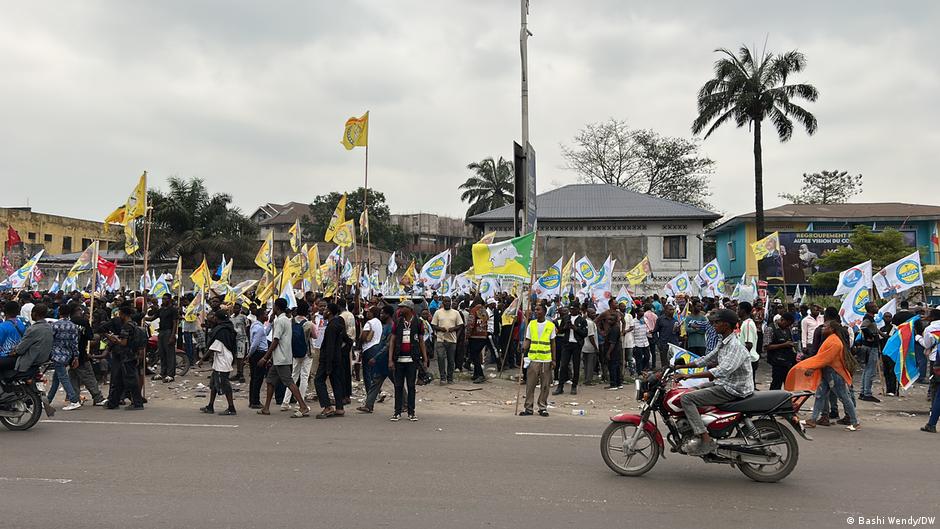
The constitutional court’s approval of the referendum organization law has reignited fierce debates across the Democratic Republic of the Congo, with opposition figures vowing to escalate their resistance against perceived constitutional tampering.
The ruling coalition, Article 64, has condemned the decision, framing it as a dangerous step toward altering the Constitution to accommodate a third presidential term. Prince Epenge, a prominent spokesperson for the group, delivered a strong warning to the public.
“We will not back down. We are pooling our strength and energy to ensure this law never takes effect in our nation,” he declared.
“The people are enraged. They must remain on their feet, united and determined to reject any attempt at a third term or the country’s disintegration.”
Kinshasa residents voice growing concerns
As opposition leaders convened to plot their next moves, residents of the capital expressed deep unease over the potential for renewed unrest. Many fear that fresh protests could spiral into violence, disrupting daily life and endangering lives.
One resident questioned the opposition’s approach, asking, “Will their demands be pursued peacefully?” They emphasized the need to avoid any loss of life.
Another resident expressed concern that the political climate could deteriorate further, stating, “The situation in the DRC may worsen as a result of this decision.”
A third resident placed blame squarely on the ruling authorities, accusing the government of actively undermining opposition marches.
“The real troublemaker right now is the sitting government. It constantly mobilizes forces to sabotage opposition demonstrations.”
Others focused on the human cost, noting that ordinary citizens would bear the brunt of any unrest.
“Our biggest fear is for the people. They are the ones who will suffer when protests turn violent.”
Political dialogue at risk
Timo Roujean, a researcher at the Konrad Adenauer Foundation, warned that swift presidential approval of the law could poison the dialogue process. He cautioned that if President Félix Tshisekedi signs the legislation before August 15, it could derail efforts toward peaceful resolution and embolden factions advocating for armed confrontation.
“A hasty promulgation would render the dialogue efforts meaningless,” he argued. “In an already tense environment, where talk of a constitutional coup is spreading, this court decision will only fuel the narrative that resistance can only be achieved through force.”
The constitutional court’s decision has not resolved the standoff. With the presidential camp now armed with a legal framework and an opposition determined to block any constitutional reform, the coming weeks will be critical in shaping the country’s political future.


More Stories
Can Benin and Spain turn cultural diplomacy into a lasting strategic advantage?
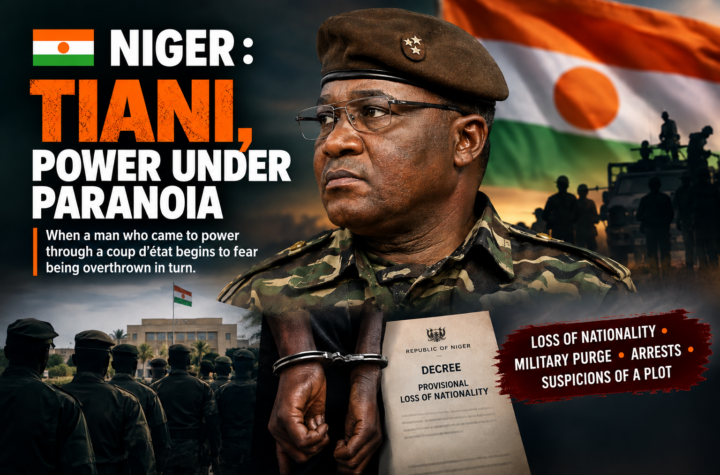
Can a leader who seized power by force ever feel secure in Niger?
Who will ultimately control Niger’s 1.8 billion FCFA monthly security fund?