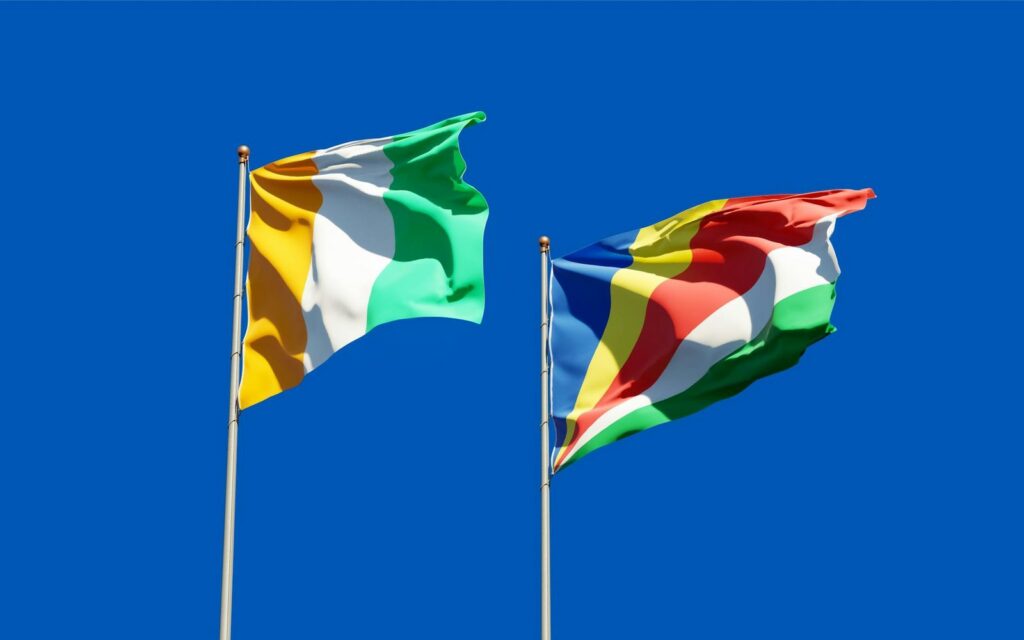
In Côte d’Ivoire, the Commission Électorale Indépendante (CEI) has once again become a focal point of political contention as the country gears up for pivotal elections. Opposition factions argue that the current composition of the CEI lacks impartiality, pointing to an alleged imbalance favoring the ruling party. The debate intensifies amid concerns over electoral integrity and the need for a credible voting process to uphold national stability.
An institution caught in political crossfire
The CEI has played a central role in overseeing Côte d’Ivoire’s elections, from presidential and legislative votes to local and regional polls. Yet, its credibility has been repeatedly challenged. Critics, particularly from opposition ranks, contend that the commission’s structure does not ensure neutrality, with commissioners perceived as aligned with the government. Calls for reform gained momentum after the African Court on Human and Peoples’ Rights highlighted structural flaws in the CEI’s framework during a landmark ruling.
Despite multiple adjustments to its composition over the years, the grievances have persisted. Many political observers now argue that only a dissolution of the CEI, followed by a transparent recomposition, can restore public trust ahead of the upcoming presidential elections.
Electoral credibility at stake
With Côte d’Ivoire bracing for a high-stakes presidential vote in the coming months, the CEI’s credibility has taken center stage. The legitimacy of the electoral process hinges on an impartial body capable of managing a competitive and transparent contest. Past elections in Côte d’Ivoire have underscored the risks of electoral disputes spiraling into prolonged political crises, as seen in the aftermath of the 2010-2011 and 2020 presidential polls.
The decision to reform or dissolve the CEI now carries significant weight. It represents a critical juncture between preserving institutional continuity and sending a strong signal to opposition groups and international partners about the government’s commitment to fair electoral practices.
Possible pathways forward
Several reform scenarios are under consideration. One option involves retaining the existing CEI but expanding its composition to include more opposition and civil society representatives. Another proposal advocates for a complete dissolution, followed by the establishment of a new body with revised nomination processes negotiated through broad political dialogue.
A more ambitious approach would entail a comprehensive overhaul of the legal framework governing elections, potentially creating a fully independent electoral authority—akin to models adopted in neighboring West African nations. Each of these pathways requires careful constitutional and legislative adjustments, further complicating the reform timeline.
Time is a critical factor. As the presidential election approaches, the window for implementing sweeping reforms narrows. Decision-makers face the challenge of balancing opposition demands, international expectations, and the logistical demands of organizing a national poll.
A regional context
The debate over Côte d’Ivoire’s CEI reflects a broader trend in West Africa, where the independence of electoral bodies has become a litmus test for democratic governance. From Sénégal to Bénin, neighboring countries have pursued reforms to enhance transparency and inclusivity in their electoral commissions. As the largest economy in the West African Economic and Monetary Union (UEMOA), Côte d’Ivoire is under scrutiny to set a regional precedent in electoral integrity.
The outcome of this debate in the coming weeks will reveal whether the government and opposition can forge a consensus before the presidential vote. The stakes could not be higher—for Côte d’Ivoire’s democracy and its standing on the continental stage.