Sénégal grapples with mounting cyber threats as government systems come under fire
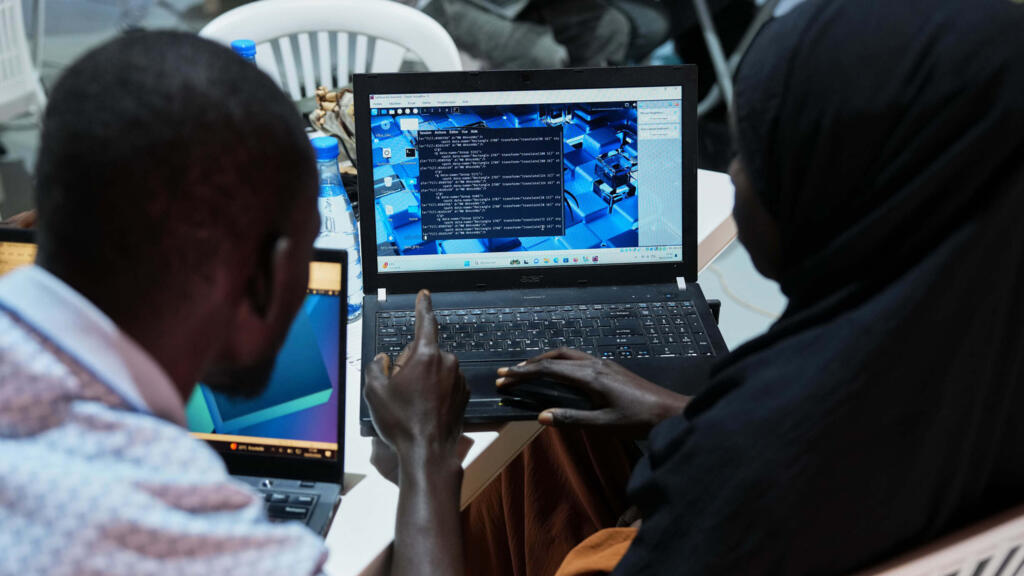
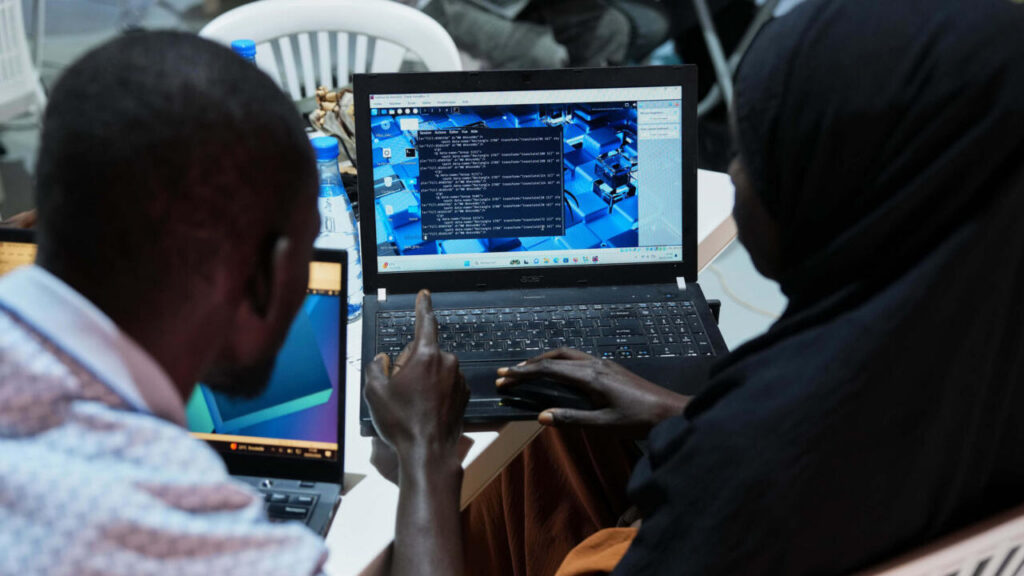
Cybersecurity experts are raising alarms over Sénégal‘s escalating vulnerability to digital attacks, as the latest breach targets the Trésor public—the third major government institution compromised in just six months. The incident follows previous high-profile attacks on the tax authority in October and the national ID department in January, prompting urgent calls for stronger digital defenses.
Local media outlets are questioning the long-term implications of these repeated incidents. La Vie sénégalaise highlights how isolated technical glitches have evolved into a pattern exposing deep-seated weaknesses in Sénégal‘s public digital infrastructure. The newspaper warns that the cumulative impact of these breaches could undermine public trust in state services.
Expert consensus: time for a national cybersecurity overhaul
Le Quotidien, a leading Dakar-based publication, underscores the urgency of the situation. In a recent editorial, the newspaper quotes a senior cybersecurity specialist who advocates for the creation of a dedicated national agency to coordinate incident response. The expert stresses the need for dedicated excellence centers, increased support for local research, and greater involvement of national experts in strategic digital projects.
The proposed solutions aim to transform Sénégal‘s approach to cybersecurity, shifting from reactive measures to a proactive, resilient framework capable of withstanding future threats.
Mounting pressure on regional security practices
Meanwhile, developments in neighboring Mali and Burkina Faso are drawing parallels with the recent Sénégal attacks. The family of Mountaga Tall, a prominent Malian politician and lawyer, has announced plans to pursue legal action following his reported detention by armed individuals earlier this month. Legal experts point to striking similarities with the January 2024 arrest of Maître Guy Hervé Kam in Burkina Faso, where allegations of state security threats and opaque proceedings have sparked controversy.
Observers note that both cases have triggered intense public debate, with lawyers mobilizing support and social media campaigns amplifying concerns over the balance between security imperatives and civil liberties.
Constitutional debates heat up in the Democratic Republic of Congo
Across Central Africa, constitutional reforms remain a contentious issue. In the Democratic Republic of Congo (DRC), Ejiba Yamapia, president of the Église du Réveil du Congo, has reignited discussions by calling for a complete overhaul of the 2006 Constitution. Describing it as a “belligerent constitution,” Yamapia advocates for a shift toward a more presidential system, emphasizing development and sovereignty. His proposals have drawn sharp criticism from opposition figures, including Prince Epenge of the Lamuka coalition, who accuses the church of aligning with President Félix Tshisekedi’s ambitions for a third term.
Tributes pour in for African sports icon Hamad Kalkaba Malboum
The African athletics community is mourning the loss of Colonel Hamad Kalkaba Malboum, who passed away in Yaoundé at the age of 75. A towering figure in African sports, Malboum served as president of the Confédération Africaine d’Athlétisme and the Comité National Olympique et Sportif du Cameroun. Colleagues and former athletes remember him as a passionate advocate for African sports sovereignty, believing the continent could—and should—become a respected global powerhouse rather than merely a talent pool for other nations.