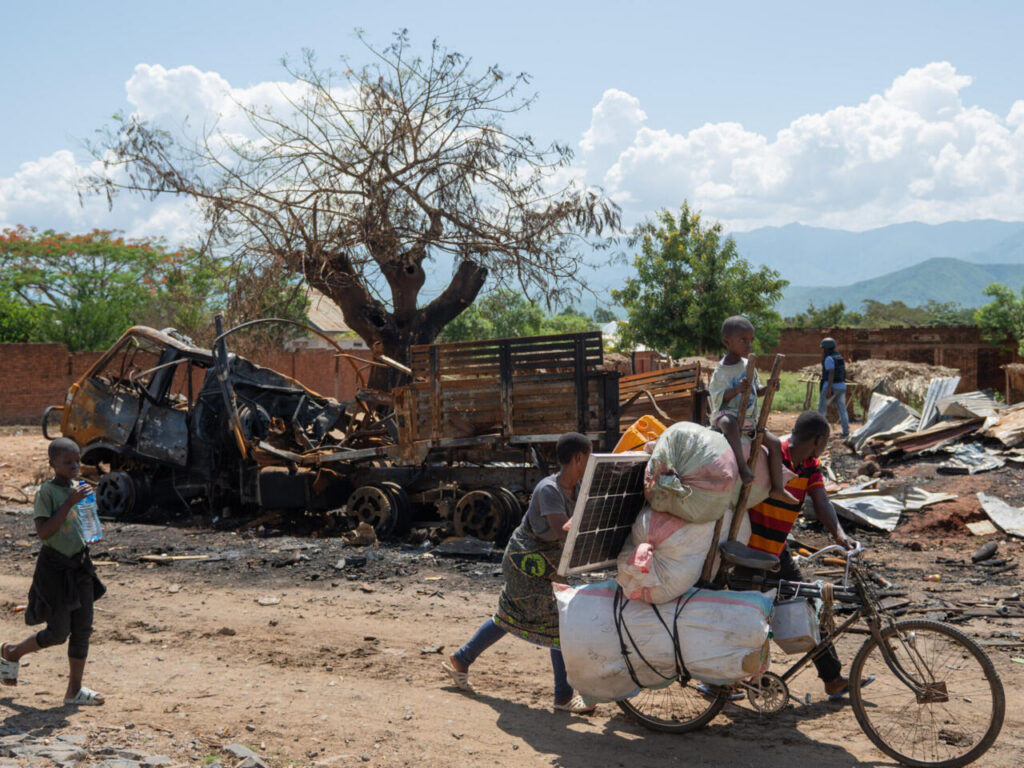
The Niger Republic is grappling with a deepening humanitarian emergency as over one million people have been forcibly displaced, according to the latest figures from the United Nations High Commissioner for Refugees (UNHCR). More than half of these individuals are internally displaced, concentrated in two southern regions plagued by terrorist violence. The remaining are refugees and asylum seekers, all requiring urgent assistance in an increasingly complex environment.
Rising internal displacement figures
Within Niger, the UNHCR reports that over 550,000 people are internally displaced, with children making up more than half of this number and women constituting 23%. These figures, released this week, indicate an 8% annual increase. However, the agency cautions that data validation remains inconsistent due to limited coordination with national authorities.
The situation is particularly acute in the Tillabéri region in southwestern Niger, where 45% of the displaced population resides. This area has experienced a sharp decline in security, marked by frequent attacks targeting both civilians and security forces, mass displacements, and heightened protection risks, particularly along border zones.
Another 33% of internally displaced persons are located in the Diffa region, which also faces relentless pressure from armed groups.
Refugee and asylum seeker surge
The UNHCR’s latest report also highlights Niger’s role as a host country for refugees and asylum seekers, with a total of 447,000 individuals under its care. Over half of them are children, primarily hailing from Nigeria, Mali, and Burkina Faso. The refugee population has grown by 3% in the past year, a rise attributed to enhanced registration efforts.
Sahel’s escalating security crisis
The broader Sahel region, encompassing Mali, Burkina Faso, and Niger, continues to witness a deteriorating security landscape. This has triggered a severe humanitarian crisis characterized by escalating violence against civilians, mass displacements, and worsening food insecurity. The situation was underscored in a recent statement by the UN Secretary-General, who emphasized the urgent need for coordinated regional and international responses to address the growing challenges faced by affected populations.