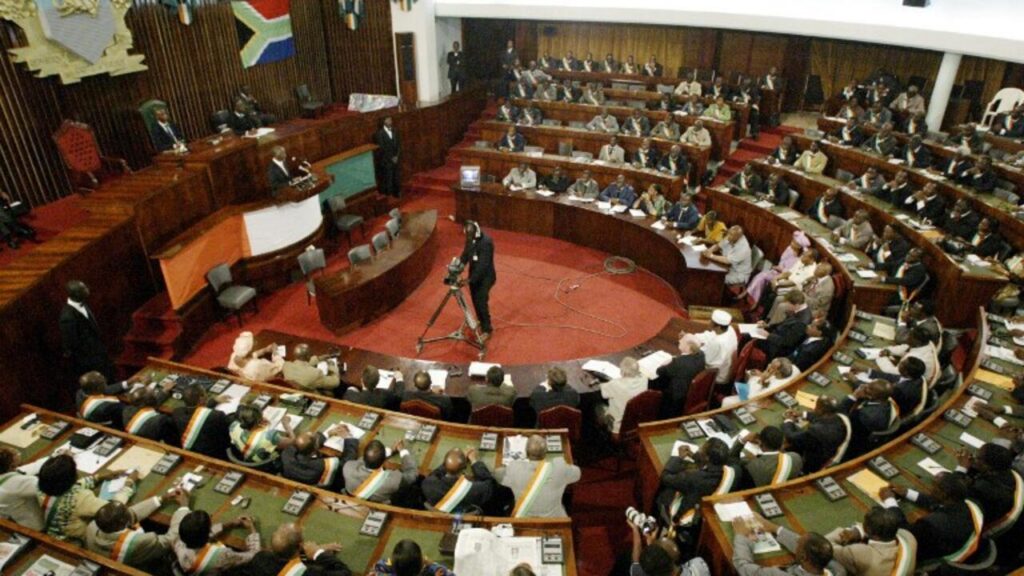
A pivotal moment unfolds in Côte d’Ivoire as the country bids farewell to its Independent Electoral Commission (CEI), an institution that has steered electoral processes for the past 25 years. What legacy does this body leave behind, and what changes are anticipated to ensure smoother, more transparent elections ahead? Your perspectives matter.
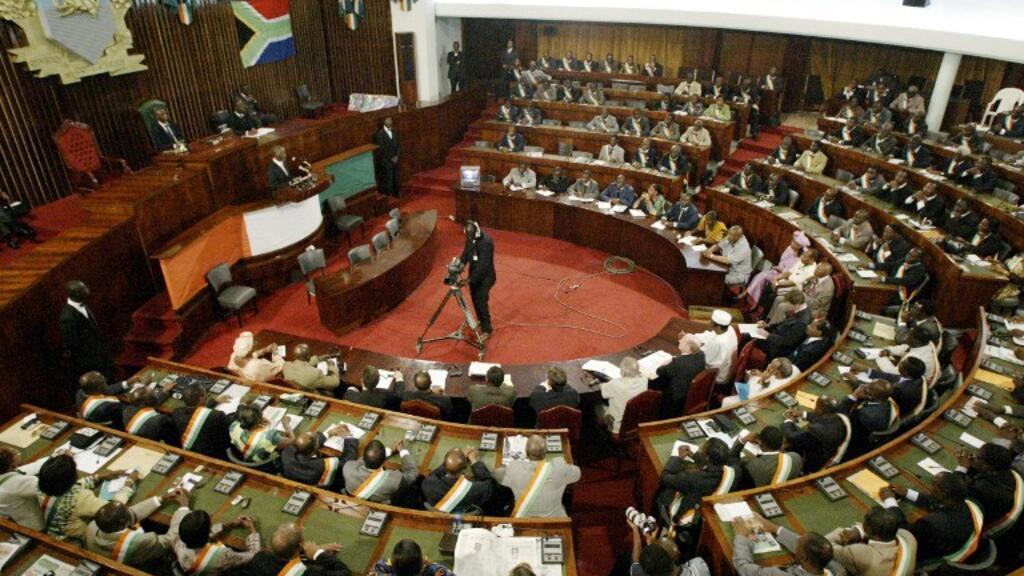
Reflecting on two decades of electoral oversight
The dissolution of Côte d’Ivoire’s CEI marks the end of an era in which this body played a crucial role in organizing and managing elections. For a generation, it served as the cornerstone of the country’s democratic processes, despite facing frequent criticism from opposition groups. How do we assess its contributions, and what lessons can be drawn from its tenure?
Shaping the future of electoral integrity
With the CEI now dissolved, attention turns to the design and implementation of a new electoral structure. The goal remains clear: to restore public confidence and ensure elections are conducted with transparency and fairness. What qualities should this new body prioritize to avoid past controversies?
Voices from the public: your insights matter
This transition raises critical questions about the future of Côte d’Ivoire’s political climate. We invite you to share your thoughts on the CEI’s legacy and the path forward for the country’s electoral system. Your feedback is invaluable in shaping the national conversation.