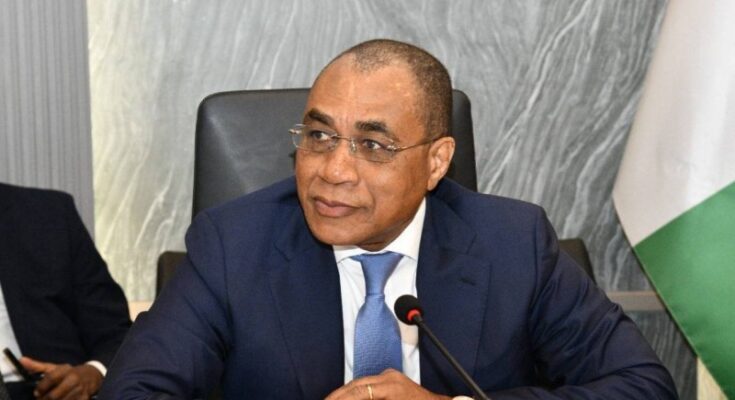
The government of Côte d’Ivoire is pioneering a bold new environmental strategy through the implementation of a nationwide carbon tax system. Spearheaded by the Ministry of Economy, Finance and Budget, this initiative signals a significant shift in the country’s approach to combating greenhouse gas emissions while fostering sustainable economic development.
The climate challenge behind Côte d’Ivoire’s carbon pricing initiative
Post-pandemic economic recovery has brought unprecedented growth to Côte d’Ivoire, but this expansion has come at an environmental cost. Official data reveals that between 1990 and 2024, the nation’s carbon intensity increased from 0.15 to 0.18 tons per thousand dollars of economic output. This alarming trend stems from heavy reliance on fossil fuels, rapid industrialization, expanding transportation networks and agricultural practices that generate substantial emissions.
Government officials warn that climate change poses immediate threats to critical sectors like agriculture, which currently employs 40% of the workforce and contributes significantly to GDP. Rising temperatures, erratic rainfall patterns and environmental degradation are already taking their toll on food security and rural livelihoods.
Aligning with global commitments while addressing local realities
This carbon pricing framework represents Côte d’Ivoire’s most ambitious climate action yet, building on its updated Nationally Determined Contribution (NDC 3.0). The country has pledged to slash greenhouse gas emissions by 33.07% independently and up to 74% with international support by 2035.
While existing environmental levies on petroleum products and energy have generated revenue, their impact on reducing emissions has been limited. The new strategy aims to transform fiscal policy into a powerful tool for environmental protection while maintaining economic competitiveness.
A progressive carbon tax with built-in social protections
The proposed carbon tax will primarily target fossil fuels, though liquefied petroleum gas will be exempted. Economic modeling suggests substantial emission reductions: an initial $8 per ton of CO₂ could cut emissions by 200,000 tons annually, while scaling up to $50 per ton might achieve reductions of 1.2 million tons.
Recognizing the potential economic impact, authorities plan to implement a revenue recycling mechanism that would return funds to vulnerable households and support green transitions. While some price increases are inevitable, the government aims to mitigate negative effects through targeted subsidies and social programs.
Supporting households and building green infrastructure
The carbon tax revenues will fund universal electricity access programs, with additional allocations for clean cooking solutions like gas and solar stoves to reduce charcoal dependency. Priority will also be given to:
- Direct cash transfers to low-income families
- Green job creation initiatives
- Worker retraining programs for affected industries
- Incentives for low-emission vehicles through tax breaks and infrastructure development
A phased implementation for lasting impact
The strategy will roll out in three carefully planned phases. From 2026 to 2027, authorities will establish the legal, institutional and technical frameworks. The tax will then take effect in 2028-2029 with a moderate initial rate, before ramping up gradually through 2035.
This gradual approach allows for real-time adjustments based on economic feedback while ensuring a smooth transition toward a low-carbon economy. The ultimate goal is to harmonize economic growth, social equity and environmental protection in Côte d’Ivoire’s development trajectory.