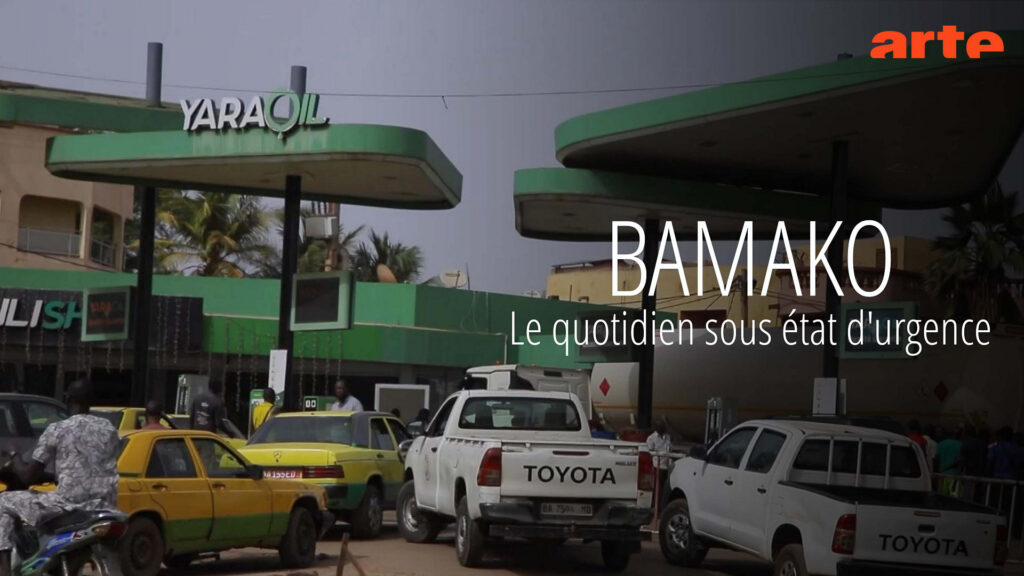
Surviving in Bamako: coping under emergency rule
Residents of Bamako, the vibrant capital of Mali, continue to navigate daily life amid persistent emergency measures. The city’s outskirts remain sealed off by armed groups, keeping the constant threat of attacks fresh in everyone’s minds. Essential supplies like food and medicine are now scarce, forcing families to adapt their routines to these harsh new realities.
Security remains the top priority for authorities, with checkpoints and patrols intensified across the city. The government has urged foreign citizens to evacuate, highlighting the gravity of the situation. Meanwhile, Malian citizens are finding creative ways to endure these challenging times, demonstrating remarkable resilience in the face of adversity.
How Bamako adapts to ongoing security concerns
- Food shortages: Markets operate under strict controls, with long queues becoming a common sight. Many families now rely on community networks for support.
- Transportation challenges: Roadblocks and security checks have slowed movement within the city, prompting residents to adjust commuting patterns.
- Community solidarity: Neighborhood groups have organized shared resources, from water distribution to security patrols.
- Business adjustments: Local enterprises are modifying operations to comply with safety regulations while maintaining service continuity.
The emergency rule, initially implemented to counter security threats, has reshaped life in Bamako in ways no one anticipated. Yet, despite these obstacles, the city’s spirit remains unbroken.