
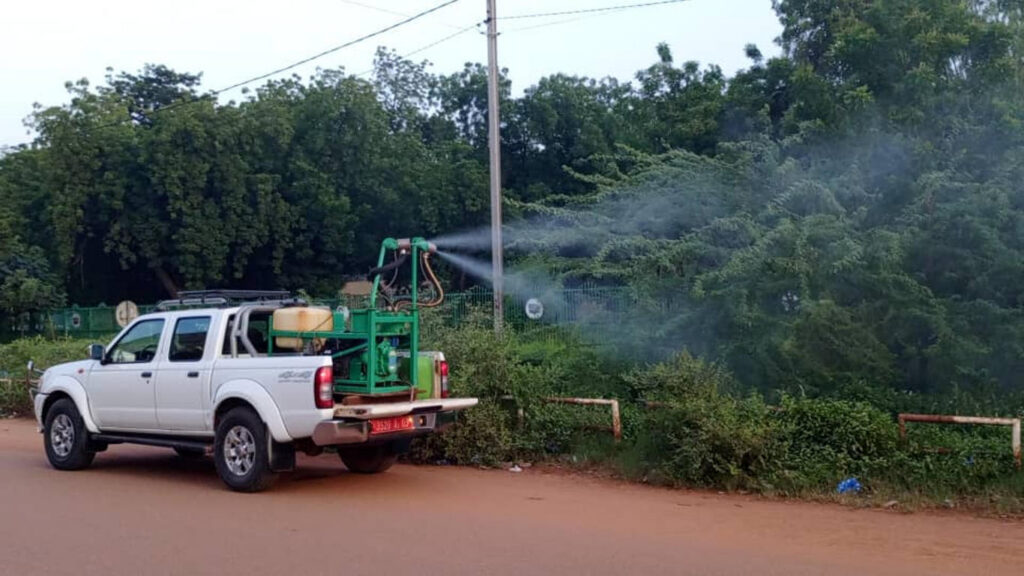
The dengue outbreak in Burkina Faso has reached unprecedented levels
The dengue epidemic, primarily transmitted by Aedes albopictus mosquitoes, has claimed 214 lives in Burkina Faso since the beginning of the year. This surge has heavily impacted the capital, Ouagadougou, and the country’s second-largest city, Bobo-Dioulasso, as announced by health authorities.
alarming statistics and spreading risks
Since January, health officials have recorded 50,478 suspected dengue cases, including 25,502 probable cases and 214 deaths. The situation escalated dramatically in October, with 10,117 new suspected cases, 4,377 probable cases, and 48 fatalities reported in just one week. The outbreak shows no signs of slowing, particularly in densely populated urban areas.
Adding to the crisis, chikungunya—another mosquito-borne illness—has infected over 200 people since September. Health Minister Robert Lucien Jean-Claude Kargougou has emphasized the urgency of the situation, noting that both diseases share the same vector: the Aedes mosquito species.
climate factors fueling the epidemic
Experts attribute the rapid spread of dengue and chikungunya to a combination of rising temperatures and intense rainfall in Burkina Faso. These environmental conditions create ideal breeding grounds for Aedes albopictus, commonly known as the tiger mosquito, which thrives in urban and semi-urban settings. The World Health Organization (WHO) warns that tropical regions like Burkina Faso are particularly vulnerable to such outbreaks, with 100 to 400 million infections occurring globally each year.
The symptoms of dengue range from mild flu-like conditions to severe complications, including life-threatening hemorrhages. Early detection and treatment are critical to preventing fatalities.
government response and preventive measures
In response to the crisis, the Burkinabè government has implemented several key measures:
- Free rapid diagnostic tests at public health facilities to enable early detection.
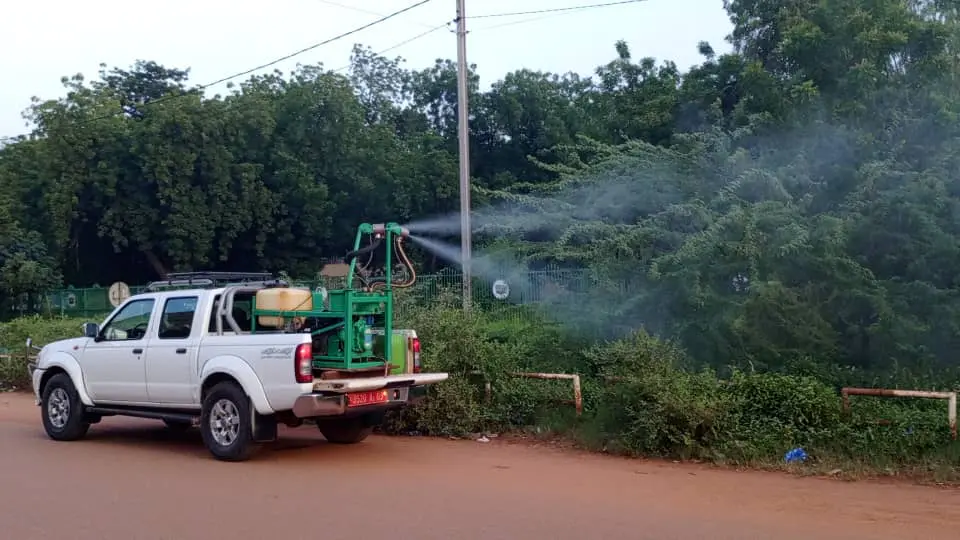
- Large-scale mosquito control campaigns in high-risk areas, including Ouagadougou and Bobo-Dioulasso.
- Public awareness initiatives to educate communities on mosquito bite prevention and symptoms recognition.
Health Minister Kargougou stated, “Immediate and coordinated action is essential to curb this outbreak and save lives.”
historical context and ongoing threat
While Burkina Faso has faced sporadic dengue cases since the 1960s, the first documented epidemic occurred in 2017, resulting in 13 deaths. Since then, the frequency and severity of outbreaks have increased, reflecting broader global trends. The WHO highlights that dengue is endemic in over 100 countries, with urbanization and climate change exacerbating the risk.



More Stories
Côte d’Ivoire’s 2026-2030 national development plan: a blueprint for deliberate progress
Fouzi lekjaâ’s political maneuver with pam disrupts moroccan election landscape
Burkina Faso: the tension between national assertion and security struggles