
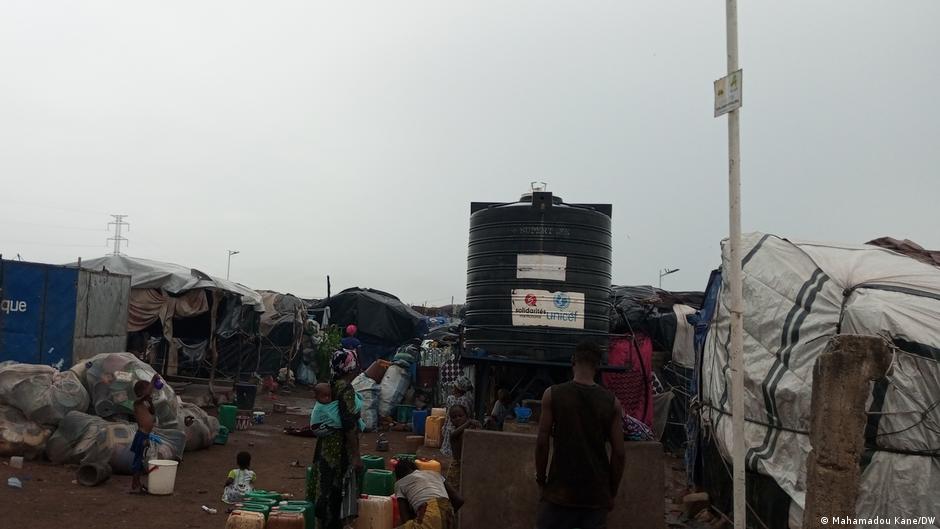
In Bamako, displaced families from the former Faladiè market site face harsh conditions as they prepare to mark Tabaski, following the evacuation of their makeshift camp. The celebration of this significant Muslim festival has taken on a somber tone for these vulnerable households, many of whom have been uprooted by conflict in central Mali.
At the heart of their challenges lies the lack of basic necessities and suitable shelter. Aminata, a mother of four who fled violence in Bankass (Bandiagara region) in 2019, now resides in a temporary educational center repurposed as a living space. The facility, originally designed for children’s learning, offers little in the way of accommodation.
“The absence of a proper relocation site is taking a toll on us—both environmentally and emotionally,” she shares. “Our most urgent needs right now are food supplies—rice, oil, and even festive clothing for our children—along with access to healthcare.”
lost livelihoods and uncertain futures
Just 500 meters away, 14-year-old Fousseyni and 15-year-old Oumar watch as a butcher prepares a sheep for Tabaski. The two young shepherds once earned a living by selling livestock and transporting cattle, but their usual income streams have vanished since the camp’s closure. Today, they earn a meager 2,000 CFA francs for assisting in butchering—a fraction of what they once made.
“Last year at this time, we were busy selling sheep and delivering cattle,” Fousseyni reflects, his voice heavy with disappointment. “Now, we stand idle, watching others carry out traditions we once relied on. It’s unbearable, but we still come here in hopes of scraping together something for our families.”
humanitarian oversight amid unresolved displacement
While local and international aid groups, including the Direction nationale du développement social, Samu Social Mali, and Unicef, continue monitoring the situation for displaced children and the 300 families affected by the evacuation, no permanent relocation site has been assigned. The displaced remain in limbo, their celebrations overshadowed by uncertainty and hardship.



More Stories
Côte d’Ivoire’s coffee and cocoa sector prepares for new campaign with crucial price announcements
Ebola and conflict: a deadly combination in eastern DRC
Morocco azrou college that shaped berber elite