
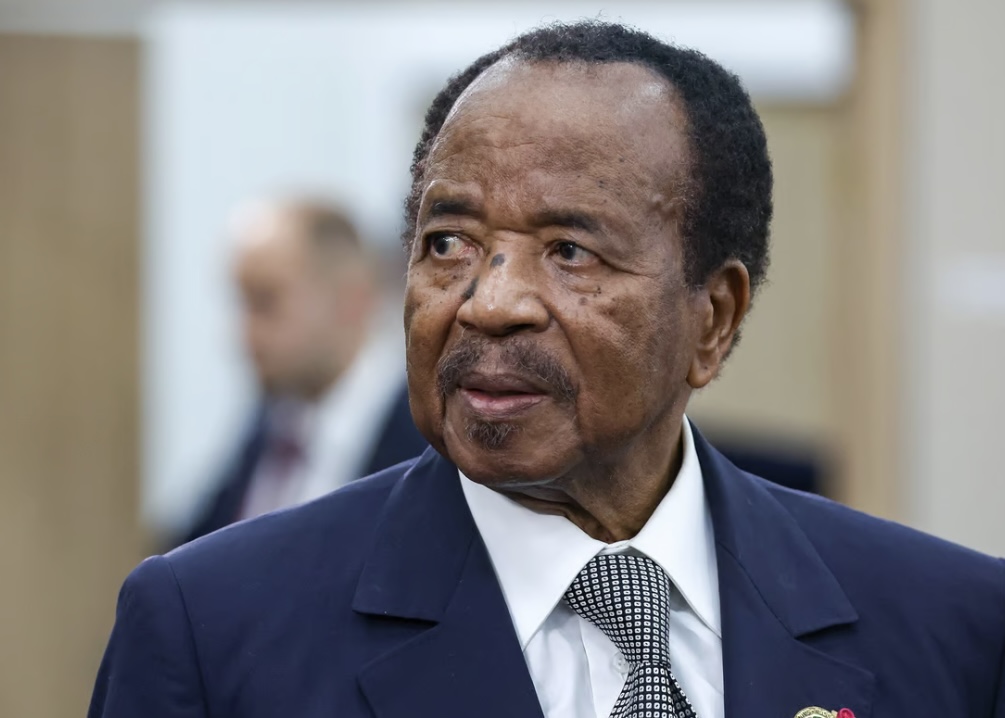
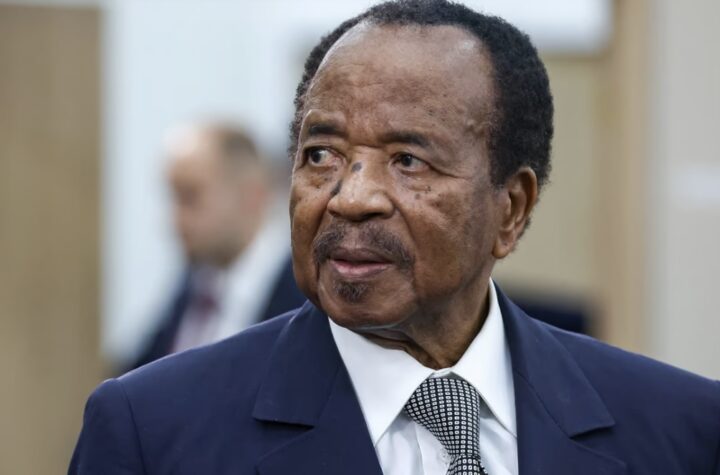
The Cameroon People’s Democratic Movement (RDPC) recently gathered its top officials in an unscheduled meeting, 45 days after President Paul Biya left for a private trip to Europe. No official statement has been issued regarding a potential return, fueling speculation about the country’s leadership vacuum.
The ruling party insists that state institutions continue to function normally, though opposition figures are demanding transparency regarding presidential power and contingency plans for prolonged absences. Tensions rise as the absence exceeds typical overseas visits, with no clarity on when Biya might resume his duties.

Ruling party defends institutional stability
RDPC Secretary-General Jean Nkuete called for an “important working session” this week, though the agenda remains undisclosed. The party’s response to concerns over Biya’s absence came in a July 15 editorial by propaganda chief Christophe Mien Zok, who dismissed claims of a “pilotless” government, declaring, “The lion has not left.” Official channels have since continued releasing presidential messages, including greetings to foreign leaders, yet no public appearances or domestic engagements have been recorded.
Opposition voices demand answers
Political opponents are pressing for constitutional clarity. Deputy Jean-Michel Nintcheu has urged the Constitutional Council to declare a power vacuum, while the Cameroon Democratic Union (UDC) avoids personal speculation but questions the legitimacy of governance during prolonged presidential absence. In a July 18 statement, the UDC acknowledged that foreign travel alone does not constitute vacancy but stressed the need for legal precision on presidential incapacitation protocols.
Constitutional gaps expose governance risks
Cameroon’s constitution offers no clear timeline for presidential absences abroad. Analysts warn this legal ambiguity poses risks, especially as Biya’s current stay in Europe surpasses all previous trips since 1982. The UDC also highlights the unfilled vice-presidential position, reintroduced in April’s constitutional revisions, calling for urgent legal reforms to define procedures during extended presidential leave. Without an official return date, the nation watches as political tensions rise over an unprecedented leadership gap.
More Stories
Cameroun’s ruling party refutes claims of prolonged presidential absence
Burkina Faso, Mali and Niger bid for CAN 2032 amid persisting insecurity
Togo opposition raises alarm over foreign military presence in northern region