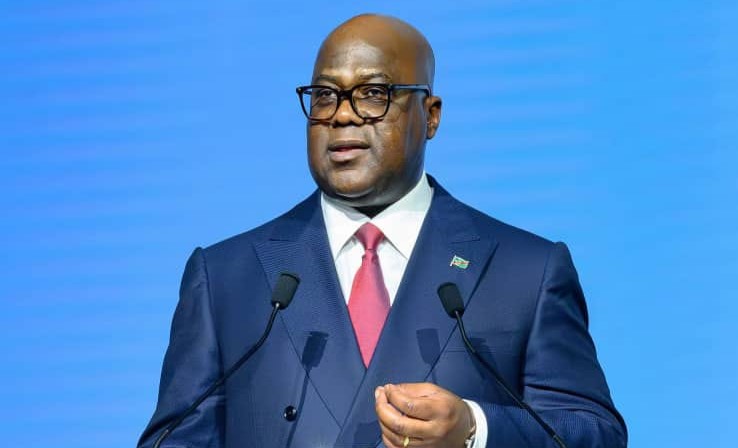
Addressing leaders, experts, and development partners in N’Djamena, the Democratic Republic of the Congo’s President outlined the nation’s vast water resources and stressed the need to convert this potential into tangible benefits for citizens. While acknowledging the abundance of hydrological assets, he emphasized that access to clean water remains uneven across communities.
Strategic water and sanitation goals for 2035
The DRC is setting ambitious targets: achieving 60% access to clean drinking water and 50% coverage in sanitation and hygiene services by 2035. These benchmarks are designed not only to curb waterborne diseases but also to elevate living standards nationwide. In addition, the government aims to ensure that 80% of schools and health centers have reliable water, sanitation, and hygiene infrastructure by the same year. Such measures are critical in safeguarding public health, particularly in vulnerable settings.
« Ensuring dependable water, sanitation, and hygiene services in 80% of schools and health facilities is a top priority. These environments are especially susceptible to outbreaks and require robust infrastructure, » he stated.
A multi-stakeholder approach to water infrastructure
Kinshasa is calling for a united front to bridge the infrastructure gap. The strategy hinges on mobilizing public funds, private investment, and international support to accelerate project implementation. Public-private partnerships will play a key role in scaling up water and sanitation systems nationwide.
Five pillars for Africa’s water future
At the continental level, the Congolese leader proposed a five-point agenda to address water sector challenges:
- Policy integration: Aligning national strategies with regional frameworks to create cohesive water governance.
- Institutional strengthening: Building transparent, accountable institutions to manage water resources effectively.
- Project readiness: Developing technically sound and financially viable water projects to attract investment.
- Industrial self-reliance: Expanding local production of water equipment such as pipes, pumps, and treatment systems.
- Digital innovation: Leveraging smart solutions for water management and distribution.
Building a local water industry
President Félix Tshisekedi underscored the importance of reducing reliance on imported water infrastructure. He called for the development of a robust domestic industry capable of manufacturing essential components—from pipes and pumps to smart meters and irrigation systems. This industrial push is expected to spur job creation, enhance technological capacity, and foster economic growth across Africa.
The President also highlighted the need for meticulous planning to ensure projects are not only sustainable but also attractive to investors. By combining local production, transparent governance, and strategic financing, he believes the continent can achieve universal access to water while strengthening its socio-economic foundations.