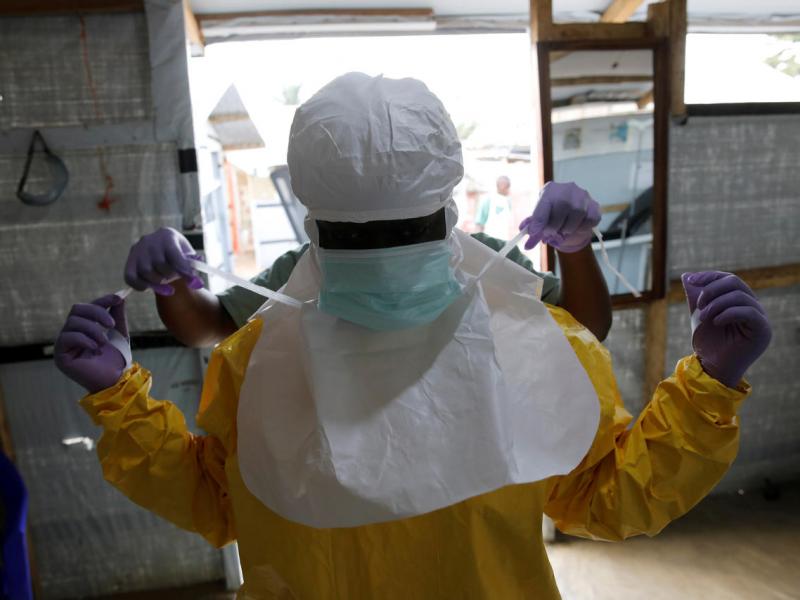
Authorities in the République démocratique du Congo have significantly intensified health protocols following the ongoing 17th Ebola outbreak. A new directive now mandates a 21-day isolation period for any individual departing from affected regions. This compulsory quarantine must be completed before any further domestic or international travel is permitted. The government announced these strengthened measures on Wednesday, June 24, 2026, as part of a broader strategy to contain the virus.
According to official statements, this move is designed to bolster existing public health frameworks, minimize the risk of cross-border transmission, and ensure that individuals potentially exposed to the virus are monitored under strict medical supervision.
International alert triggers stricter protocols
The decision to harden the response follows the detection of an Ebola case in France. A humanitarian physician working with a medical organization tested positive for the virus upon returning to France after completing a mission in a high-risk zone within the République démocratique du Congo.
In response, the Congolese government has reaffirmed its commitment to safeguarding the population. Officials emphasized that the national response is being managed with scientific transparency and rigor, working alongside various partners to protect communities across the entire national territory through enhanced international health cooperation.
Current epidemiological situation
The latest data regarding the Bundibugyo strain outbreak indicates a growing crisis. As of late June 2026, official reports confirm 1,118 cases and 291 fatalities, representing a lethality rate of 26%. The virus has now reached 34 health zones across three different provinces:
- Ituri: The current epicenter, with 22 zones reporting infections.
- North Kivu: Under high surveillance with 11 affected zones.
- South Kivu: Currently reporting 3 confirmed cases and one death.
- South Kivu: Currently reporting 3 confirmed cases and one death.
Health officials report that 408 patients are currently receiving care in isolation or hospital settings. While 122 people have successfully recovered, contact tracing remains a massive undertaking. Currently, 8,346 contacts are under surveillance, with a follow-up rate of 77.1%. Authorities admit that while the system is active, it has yet to reach the full operational targets required to halt the spread.
A global health emergency
On May 17, shortly after the initial declaration of the outbreak, the World Health Organization (WHO) designated this Bundibugyo strain flare-up as a Public Health Emergency of International Concern. The virus, which has also been detected in Uganda, faces several complicating factors on the ground.
High population mobility, weakened healthcare infrastructure, and the ongoing challenges of accessing conflict-affected areas have hindered the response. Furthermore, there is currently no specific vaccine or dedicated treatment for this particular strain of the virus, making containment efforts even more critical.
Despite these hurdles, the government of the République démocratique du Congo maintains a stance of cautious optimism. Officials have urged against panic, pointing to the country’s extensive history in managing such crises. Having successfully overcome sixteen previous Ebola outbreaks, the national health services are leaning on decades of experience to bring this latest epidemic under control.

More Stories
Can Mali’s double-edged strategy of war and dialogue against jihadists truly work?
AirBadminton gold for Benin: does the 3-0 win over Mauritius change the game?
Arsenal vs Chelsea: premier grand duel de la saison en Premier League