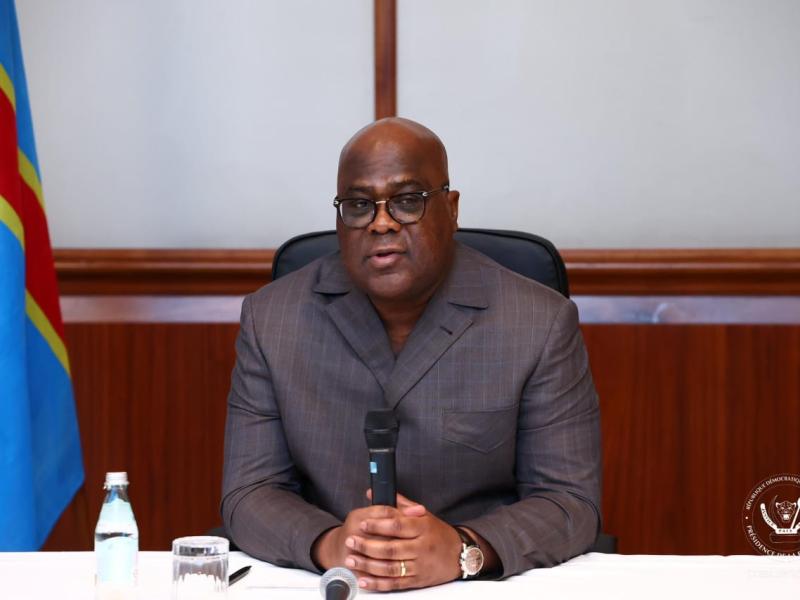
Kinshasa witnessed a pivotal moment in the Democratic Republic of the Congo’s political landscape today as President Félix Tshisekedi convened an unprecedented gathering with leaders from various religious denominations. The historic meeting, held at the African Union headquarters in the capital, marks a decisive step toward national reconciliation and consensus-building.
The head of state’s decision to engage in a structured dialogue process follows months of mounting pressure from civil society, opposition groups, and international partners. Religious leaders, representing Christian, Muslim, and traditional faith communities, presented a unified front in advocating for peaceful solutions to the country’s persistent challenges.
a new chapter for democratic governance
The presidential reception of religious representatives signals a strategic shift in Tshisekedi’s approach to governance. After initially resisting calls for broad-based consultations, the president appears to have recognized the urgent need for inclusive mechanisms to address the nation’s complex socio-political realities. Insiders close to the discussions confirm that a comprehensive roadmap will be unveiled in the coming days, outlining the parameters and timeline for the proposed dialogue framework.
This development comes at a critical juncture when the DRC faces multiple crises including security threats in eastern provinces, economic instability, and social tensions. The president’s willingness to engage with faith-based organizations demonstrates a recognition that sustainable solutions require input from all segments of society.
religious institutions as catalysts for peace
The involvement of religious leaders in national affairs has become increasingly significant in recent years. Their moral authority and grassroots connections position them as uniquely qualified intermediaries capable of bridging divides between competing political factions. The meeting’s outcome suggests that faith communities may play a crucial role in facilitating the upcoming dialogue process.
While specific details about the dialogue’s structure remain undisclosed, observers note that the president’s engagement with religious institutions represents a pragmatic response to both domestic and international expectations. The move could potentially enhance the government’s legitimacy while providing a platform for addressing long-standing grievances.
As the DRC navigates this critical period, the president’s initiative may set the stage for broader national conversations about governance, accountability, and the country’s future direction. The proposed dialogue process could emerge as a model for conflict resolution in a region often plagued by political instability and violence.
Additional reporting will follow as more details about the dialogue framework become available.