Ebola virus reaches fourth province in the Democratic Republic of the Congo
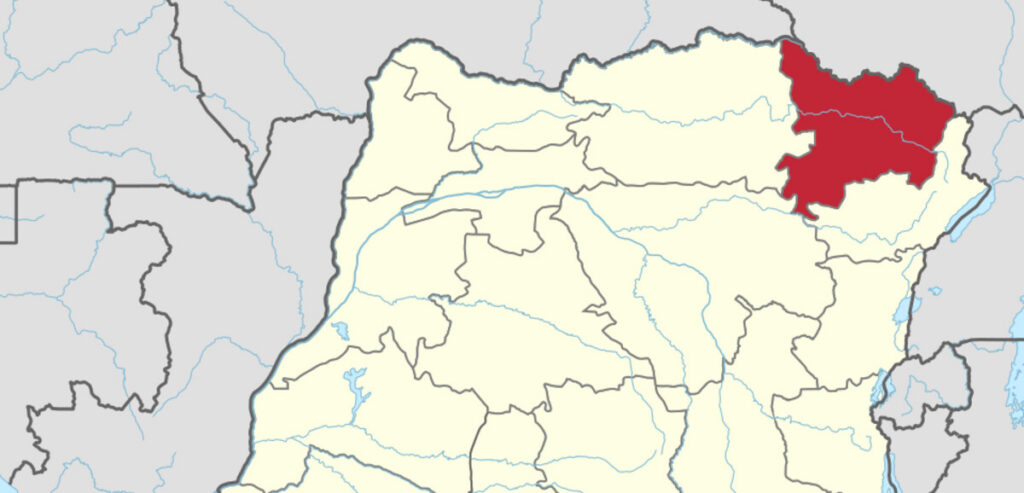
The Ebola epidemic in the République démocratique du Congo has expanded into a fourth province, with health officials confirming the virus has reached Haut-Uélé in the north-east. Since the outbreak was officially declared in May, the virus has infected 1,274 people and resulted in 360 deaths. While Ituri remains the primary epicenter, medical teams are struggling to contain the spread due to limited access, ongoing armed conflict, and community resistance.
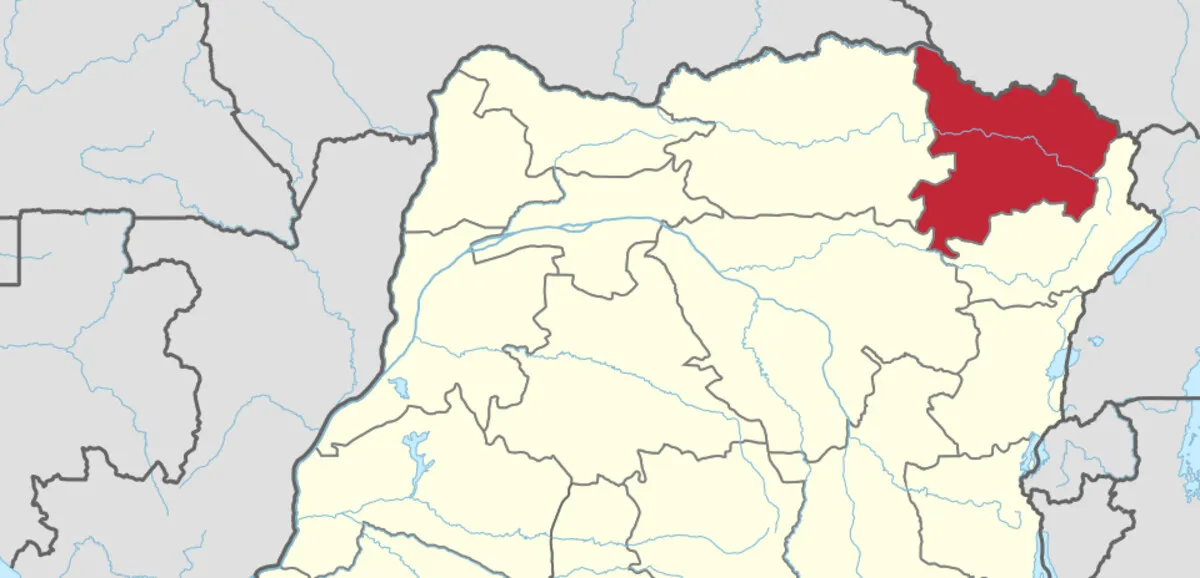
Previously, the Ebola outbreak was confined to three Congolese provinces: Ituri, which borders Ouganda and Soudan du Sud, as well as Nord-Kivu and Sud-Kivu. Additionally, twenty cases including two fatalities have been documented in Ouganda.
Haut-Uélé has now become the fourth province in the République démocratique du Congo to record the presence of the virus. This region, adjacent to Ituri, shares borders with both Soudan du Sud and the République centrafricaine.
Reports indicate that the virus was introduced to the area by an infected person who traveled from Ituri to Haut-Uélé. Medical authorities have confirmed that this patient has since passed away.
Health teams are currently working to track the chain of transmission and identify potential contact cases. In many instances, the disease has been spread through traditional funeral practices, as the bodies of Ebola victims remain highly infectious after death.
For several weeks, humanitarian workers have been attempting to implement strict sanitary protocols for burials to prevent human contact with the deceased. However, these efforts often face significant public defiance. In the République démocratique du Congo, as in other parts of the continent, funeral rites frequently last for several days, and it is common for family members to touch the body of the departed.
Conflict and insecurity hinder medical response
Recent weeks have seen various incidents at health centers where angry community members have attempted to reclaim the bodies of their relatives. Haut-Uélé shares similar challenges with Ituri; both are strategic border zones rich in gold, leading to high levels of transit and trade that facilitate the rapid movement of the virus.
Furthermore, these regions are plagued by the presence of armed groups. In Ituri, community militias and the ADF, a group linked to the Islamic State, have carried out frequent massacres for over a decade. The ADF has recently moved into Haut-Uélé, a province already destabilized by violence from groups originating in neighboring countries.
The prevailing insecurity has severely hampered the medical response, which many experts believe was launched too late. Scientific investigators suggest that the first suspicious deaths may have occurred as early as January. While efforts in Ituri have been bolstered recently, healthcare facilities in one of the world’s most impoverished nations still lack essential supplies, including protective kits and chlorine.
Treatment centers established by international organizations are already overwhelmed, with occupancy rates reaching 138%. The toll on frontline workers has been heavy, with 78 health professionals infected and 18 having lost their lives.
Health experts warn that the peak of the epidemic is likely still weeks away, and the crisis could persist for another six months to a year. Ebola is transmitted through contact with bodily fluids and has claimed more than 15,000 lives across Africa over the last half-century. The most devastating outbreak in the République démocratique du Congo occurred between 2018 and 2020, resulting in approximately 2,300 deaths out of 3,500 recorded cases.