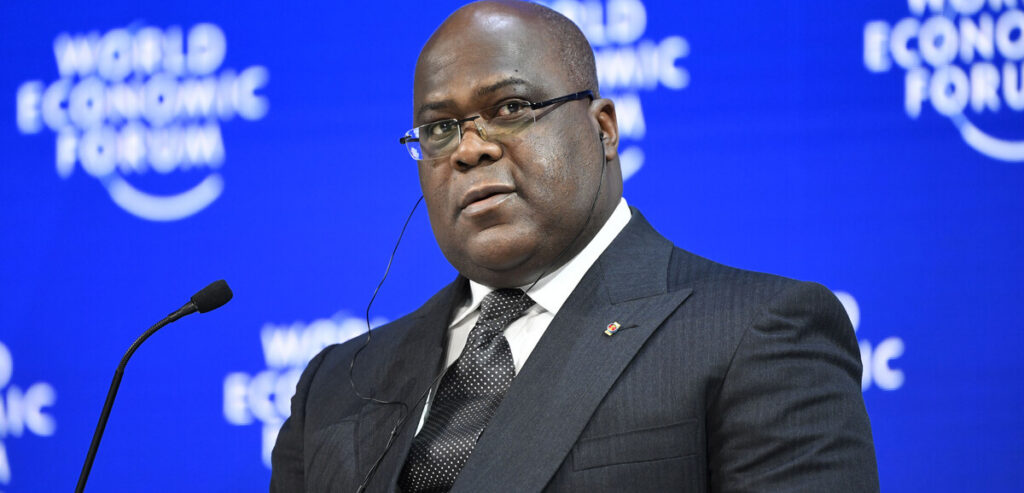
Rdc prohibits public gatherings citing Ebola risk ahead of major protests
The government of the Democratic Republic of Congo has officially prohibited public assemblies in the capital and three other provinces. This measure aims to curb the transmission of the Ebola virus, though it arrives exactly one week before a scheduled opposition demonstration against President Félix Tshisekedi.
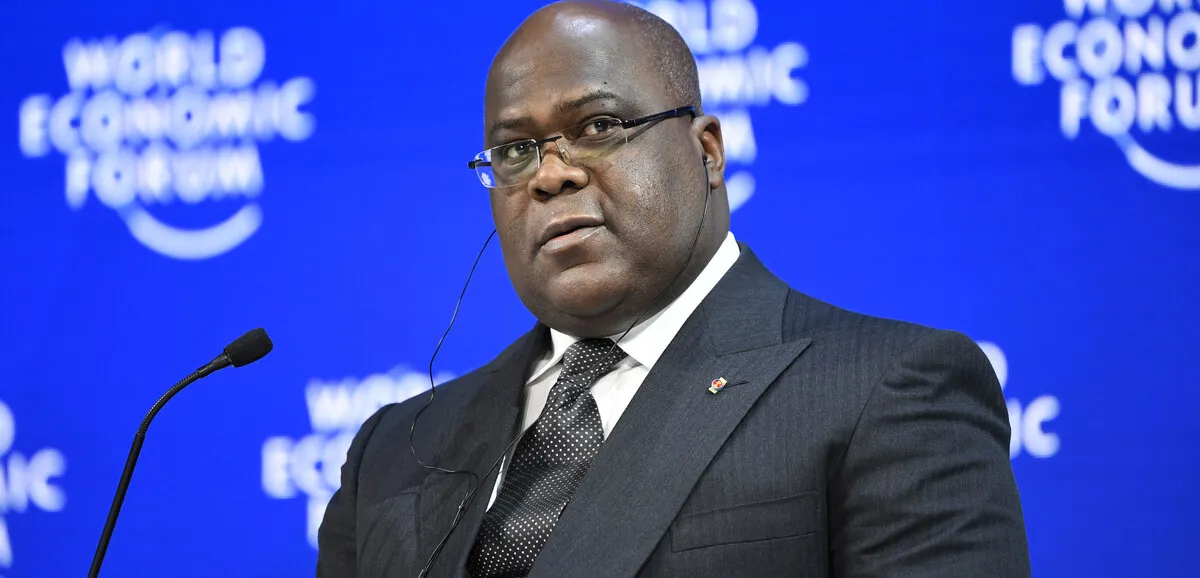
The authorities in the Democratic Republic of Congo (RDC) have implemented a ban on mass gatherings in Kinshasa and three additional provinces to mitigate the spread of the ongoing Ebola epidemic. This directive, issued by Interior Minister Jacquemain Shabani, comes at a sensitive time, as the opposition has planned a major rally in the capital for Wednesday, July 8.
Since the 17th Ebola outbreak was declared on May 15, the country has recorded 360 fatalities out of 1,274 confirmed cases. While four provinces in the northeast remain the most severely affected, Kinshasa, a sprawling metropolis of over 17 million residents, has not yet reported any instances of transmission.
In a formal communication, the minister instructed local administrative bodies to prevent “mass crowds” specifically to “thwart any contamination from the Ebola virus.” However, the official document did not explicitly state whether the upcoming political protest was the primary target of this health measure.
A decision amidst intense political friction
This prohibition is enacted against a backdrop of heightening political tension regarding a proposed law that would facilitate a referendum to revise the Constitution. Opposition leaders argue that such a reform is a maneuver to allow President Félix Tshisekedi, who assumed office in 2019, to seek a third term, despite the current constitutional limit of two mandates.
The legislative text was passed in mid-June by a Parliament dominated by the presidential majority and is now awaiting formal promulgation by the Head of State.
Earlier, on June 12, a different opposition rally protesting what they termed a “constitutional coup” was forcibly broken up in Kinshasa. The ensuing clashes between protesters, pro-government activists, and security forces led to several injuries, and reports from international observers confirmed the death of at least one demonstrator.
Despite the newly announced health restrictions, the opposition is maintaining its call for the July 8 mobilization to demand the resignation of Félix Tshisekedi. For his part, Jacquemain Shabani has characterized the persistence of this protest call as an “act of high treason.”