Jihadist militant groups have intensified their campaigns in the central Sahel, pushing the boundaries of conflict into coastal West Africa. This expansion is reshaping regional dynamics, with militant factions extending operations from traditional hotspots into new territories.
key figures revealing the crisis
From January to November 2025, violence in Burkina Faso, Mali, and Niger claimed over 10,000 lives. Militants kidnapped 30 foreign nationals in Mali and Niger, while Benin saw nearly 70% more fatalities compared to 2024.
militant groups strengthen their grip
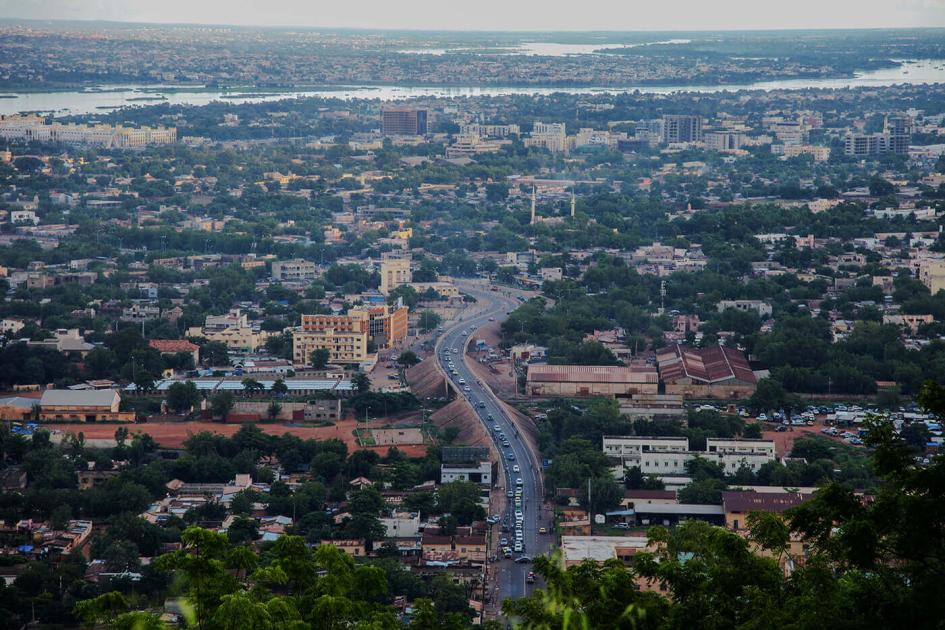
In Mali, Jama’at Nusrat al-Islam wal-Muslimin (JNIM) implemented a fuel and transport embargo targeting cities like Kayes and Nioro du Sahel. This blockade disrupted trade routes between Bamako and surrounding regions, causing fuel shortages and economic instability. The strategy aimed to undermine government authority and destabilize the military regime, resulting in record violence levels in Kayes, Sikasso, and Segou.
In Burkina Faso, JNIM launched multiple offensives against military forces and local defense groups. The group briefly seized provincial capitals Djibo and Diapaga in May, demonstrating enhanced military capabilities. A devastating ambush in September killed approximately 90 soldiers, marking one of the deadliest attacks on the country’s armed forces.
Niger faces growing threats
While Niger has not experienced the same scale of violence, militant activities are spreading beyond traditional areas. The Islamic State Sahel Province (ISSP) has intensified attacks on critical infrastructure, including the Benin-Niger oil pipeline. The kidnapping of a US citizen in Niamey in October highlighted the growing reach of militants into urban centers once considered secure.
kidnapping campaigns target economic vulnerabilities
Both JNIM and ISSP have escalated kidnapping campaigns targeting foreigners, driving record-high abduction rates in Mali and Niger. JNIM primarily targeted foreign workers at industrial sites and mining facilities, while ISSP expanded operations to include Western nationals and laborers. Most incidents occurred in Niger, with additional cases reported in border regions of Burkina Faso and Algeria. This shift reflects a deliberate strategy to disrupt economic activities and pressure states.
expansion into coastal west africa
The tri-border region of Benin, Niger, and Nigeria has become a critical conflict zone, attracting both Sahelian and Nigerian militant groups. In 2025, JNIM intensified cross-border operations into northern Benin, resulting in the deadliest year on record. By midyear, the group had advanced further south into the Borgou department, marking a significant expansion beyond its traditional northern strongholds.
ISSP has reinforced its presence in southwestern Niger, moving closer to the Benin border city of Gaya. The group continues operations in Nigeria’s Sokoto and Kebbi states, attacking villages, security posts, and critical infrastructure. Both militant factions have established footholds in northwestern and western Nigeria, merging previously distinct conflict zones into a single interconnected battleground.
regional cooperation at risk
The convergence of Sahelian and Nigerian militants poses a significant challenge to regional stability. JNIM, ISSP, Ansaru, and other factions are increasingly overlapping in border areas, creating a complex web of violence. This development threatens to undermine regional cooperation efforts as militant groups compete for influence and control.
state authority under pressure
Military regimes in the central Sahel face mounting challenges as militant groups erode state control. JNIM and ISSP now contest sovereignty over vast rural territories, enforcing their own social and economic systems. Their influence is encroaching on major population centers, with ISSP conducting operations in Ayorou, Tillaberi, and even Niamey.
Local self-defense groups, once central to counter-insurgency efforts, are under unprecedented strain. In Mali, many Dozo militias have been disarmed or forced into agreements with JNIM, leaving communities dependent on militant-enforced security arrangements. In Burkina Faso, the Volunteers for the Defense of the Homeland (VDP) has suffered heavy losses, limiting the state’s ability to reclaim territory.
external partnerships offer limited support
Russia’s military partnership with Sahelian countries, including the deployment of Africa Corps, has provided some logistical support. However, the limited scope of these operations has failed to prevent military advances by militant groups. Africa Corps has primarily focused on securing fuel convoys and supply routes in southern Mali, where JNIM’s embargo is losing momentum.
looming threats to political stability
The combination of sustained militant pressure, weakened local defense groups, and declining state capacity heightens the risk of political destabilization in the central Sahel. If internal divisions or popular unrest topple military regimes in Mali or Burkina Faso, a regional domino effect could unfold, threatening neighboring governments. Current trends suggest that 2026 may bring deeper political instability and territorial fragmentation across the Sahel and its southern borders.