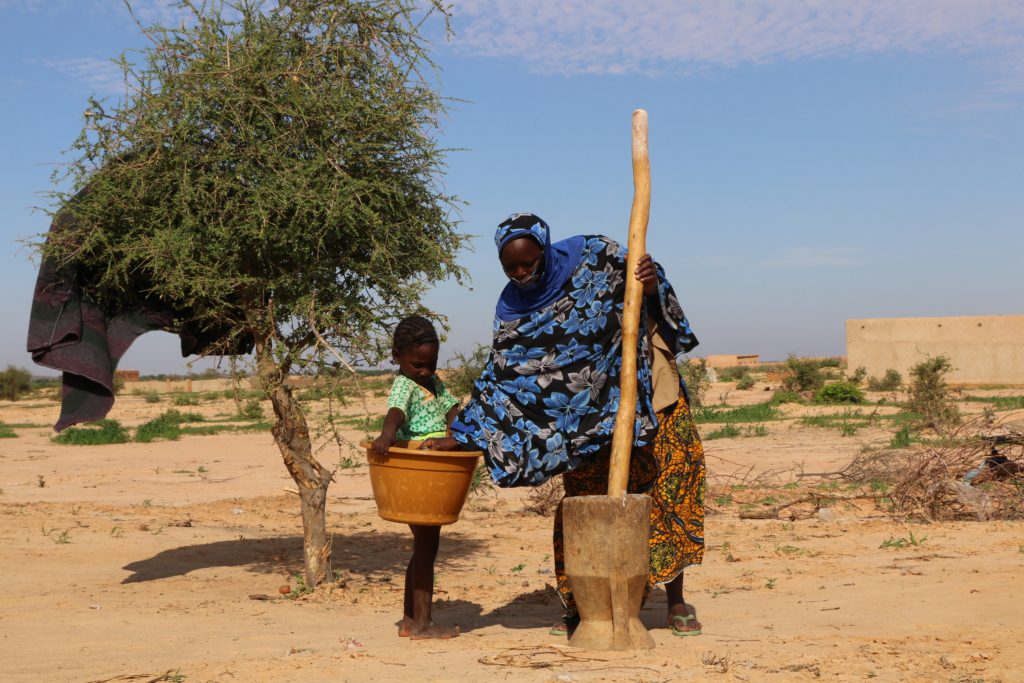
Children in Niger—particularly in the volatile Tillabéri region bordering Mali and Burkina Faso—are facing an alarming surge in violence at the hands of armed groups. According to recent findings, rising conflict has led to increased child casualties, forced recruitment, and severe human rights violations, including attacks on schools and civilians.
In a comprehensive report titled « I have nothing left but myself »: escalating conflict impacts on children in Niger’s Tillabéri region, researchers document the devastating toll on young lives. The Islamic State in the Greater Sahara (ISGS) and the Group for Support of Islam and Muslims (GSIM), an Al-Qaeda-affiliated faction, are identified as primary perpetrators of these atrocities, with both groups accused of war crimes and systematic violations of international humanitarian law.
Children who witness or survive attacks often suffer severe psychological trauma. Many have lost family members, while others live in constant fear of abduction or forced marriage. Girls, in particular, face heightened risks of violence and restricted mobility outside their homes.
A generation of children in Tillabéri is growing up surrounded by death, destruction, and unrelenting fear.
Conflict analyst
The situation has deteriorated sharply in 2021, with civilian fatalities in Niger rising to 544 between January and July—up from 397 in the same period the previous year, according to ACLED conflict data. Among the victims, over 60 children have been killed in attacks linked to ISGS, which operates predominantly along the Mali border. Survivors describe harrowing scenes of masked gunmen on motorcycles targeting men and boys, leaving entire communities traumatized.
« We’re used to hearing gunfire and seeing bodies piled up, » shared a 13- or 14-year-old boy whose village was attacked. Another child, aged 12, recounted the murder of his friend, Wahab, saying, « I still have nightmares of being chased by armed men on motorcycles, or seeing Wahab plead with them. »
Despite urgent distress calls, security forces often arrive too late—or not at all—leaving civilians vulnerable. The withdrawal of Nigerien Defense and Security Forces (FDS) from border areas following heavy losses in late 2019 has left large swaths of territory unprotected, enabling armed groups to operate with impunity.
child recruitment and exploitation by armed groups
The GSIM has intensified its recruitment of young boys—some as young as 15—in Torodi, near the Burkina Faso border. Recruits, often lured with promises of food, money, or clothing, undergo weapons training lasting weeks to months. Children are also deployed as scouts, messengers, and informants, roles that constitute direct participation in hostilities under international law.
systematic attacks on education and healthcare
Armed factions opposed to « Western education » have burned schools, threatened teachers, and forced closures across Tillabéri. By June 2021, 377 schools were shut down, depriving over 31,000 children of education. Many rural classrooms, often constructed from flammable materials, are easily destroyed. Teachers who remain face grave danger—one 15-year-old recalled, « The teachers fled… they would have been killed otherwise. »
Healthcare access is equally compromised. Medical centers have been looted, and vaccination rates have plummeted, fueling outbreaks of preventable diseases like measles. Restrictions on civilian movement further hinder aid delivery, leaving displaced families without essential services.
food insecurity and forced displacement
Attacks by ISGS have targeted food supplies, burning grain reserves and stealing livestock, pushing communities into famine. « Everything was burned… I have nothing left but myself, » said a mother of seven whose family’s granaries were destroyed in a raid on Zibane village. Satellite imagery confirms deliberate torching of food stocks, displacing tens of thousands. Humanitarian groups warn that 2.3 million people in the region now face acute food insecurity due to violence, drought, and flooding.
long-term psychological scars
The mental health toll on children is profound. Survivors report recurring nightmares, insomnia, and anxiety triggered by the sound of motorcycles—remnants of attack sounds. Few have access to psychosocial support, leaving trauma unaddressed. « What I want is for peace to return—real peace, » pleaded a 15-year-old displaced from his village. « The government must care about our lives here, about food, water, and school. We need school. »
Governments and international partners must act now to protect children’s futures in Niger’s conflict zones.
Human rights advocate
Expert analysis underscores that the conflict in Tillabéri meets the criteria for a non-international armed conflict, given the scale and organization of ISGS and GSIM operations. Urgent intervention is needed to restore safety, ensure education, and provide critical psychosocial care for affected children.