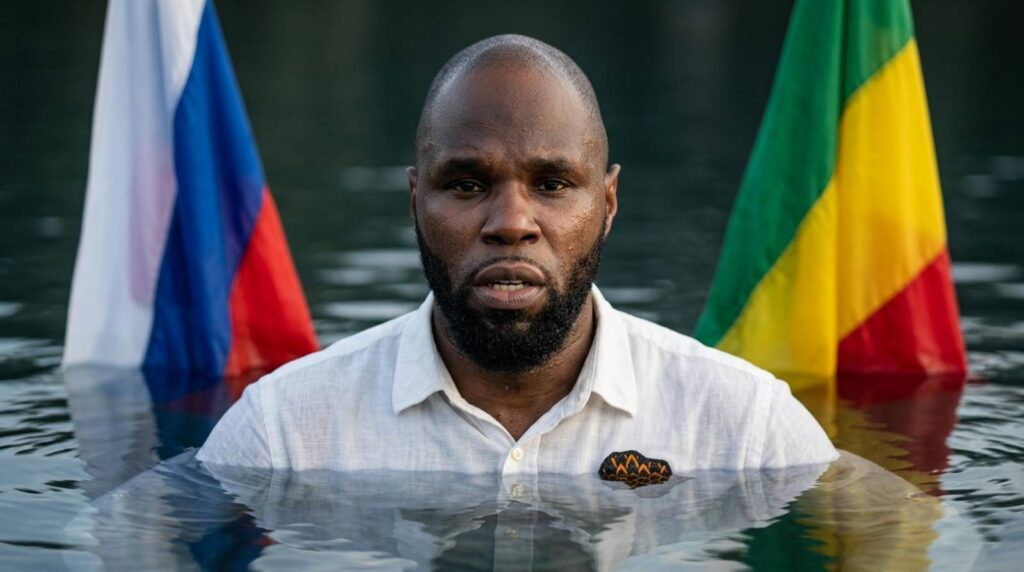
Why the Sahel is facing an unprecedented security crisis
As violence escalates across the Sahel, long-held panafricanist ideologies are being tested. Nowhere is this shift more evident than in Mali, where recent attacks in Kati and Kidal have exposed critical vulnerabilities in the region’s security framework.
The coordinated assaults, targeting strategic military sites, revealed the harsh truth: the Russia-backed Africa Corps, despite its promises, is no longer the impenetrable shield once advertised. Instead, these events underscore the growing limitations of an approach that prioritizes external alliances over sustainable local solutions.
Kemi Seba: From Russian advocate to vocal critic
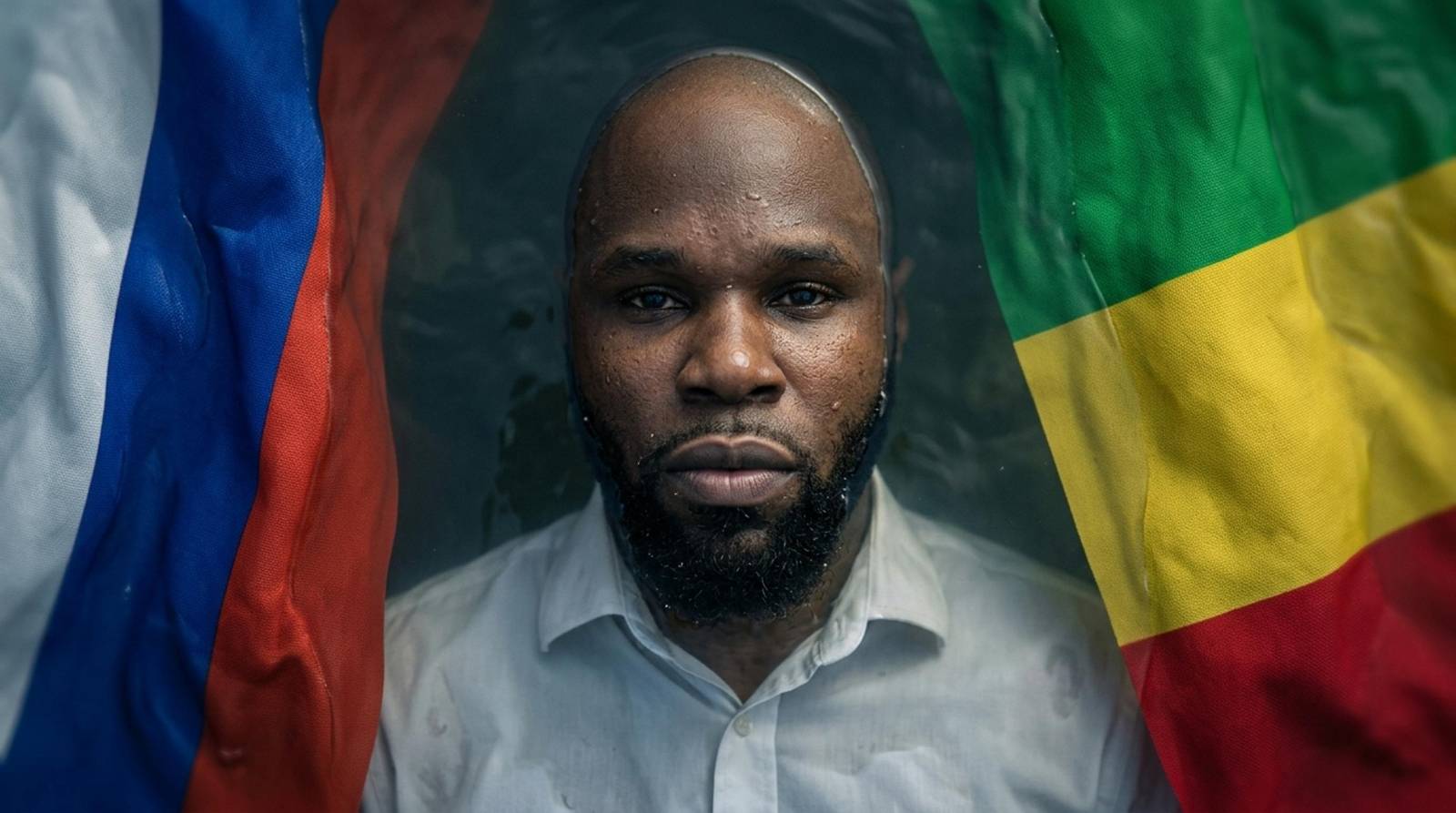
Kemi Seba, once a staunch proponent of Russian influence in West Africa, has dramatically altered his stance. Today, he dismisses Moscow’s presence as a « purely transactional » arrangement—an accusation that reflects deeper concerns. His shift in rhetoric didn’t happen overnight. After being forced into political asylum in South Africa, Seba’s disillusionment grew, particularly as he witnessed Russia’s focus shifting away from regional stability toward resource extraction.
What was once hailed as a liberation movement now appears to be little more than a calculated partnership. Seba’s evolving perspective highlights the stark contrast between initial promises and the reality facing Sahelian nations today.
Will the AES alliance survive the growing doubts?
For both Burkina Faso and Niger, the instability in Mali serves as a cautionary tale. The once-touted « Eastern alternative » is now under scrutiny as insecurity spreads and sovereignty concerns mount.
As governments navigate their relationships with foreign allies, the people of the Sahel remain caught in the crossfire. The search for a reliable, long-term security solution has never been more urgent. With shifting alliances and fractured trust, the region stands at a defining crossroads—one where rhetoric must give way to tangible action.