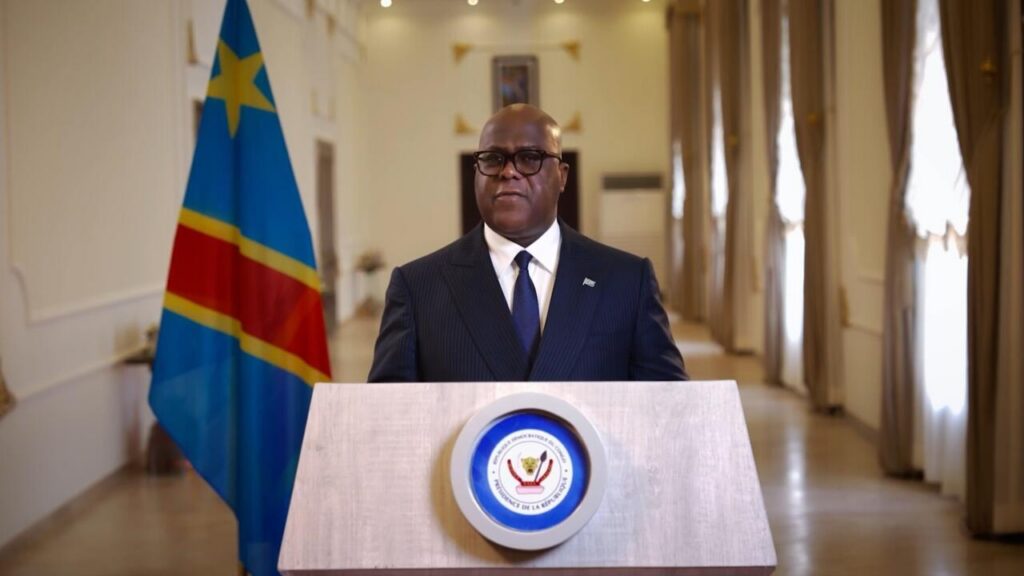
À la Une: Félix Tshisekedi va-t-il briguer un troisième mandat en RDC?
Publié le :
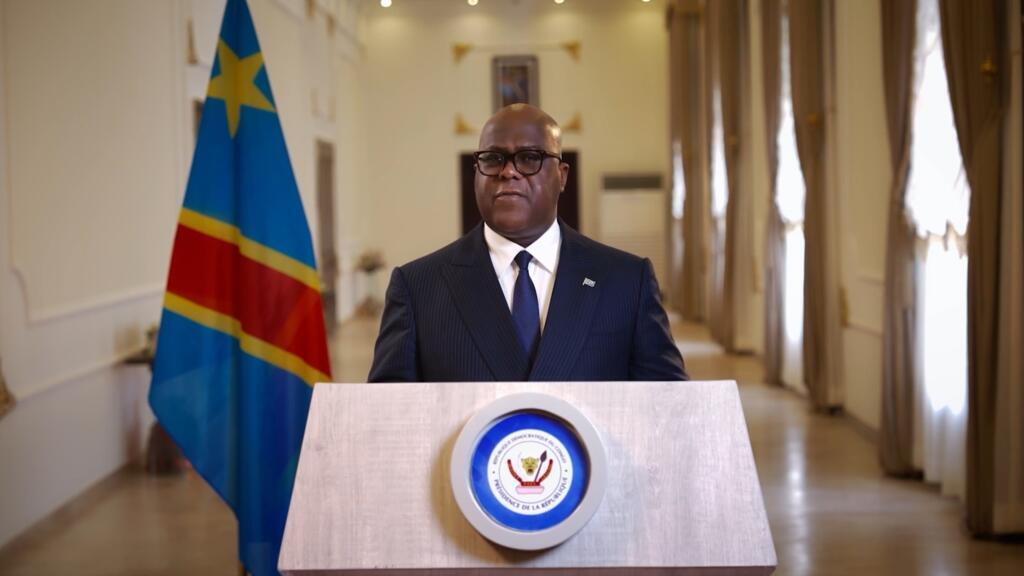
The Democratic Republic of Congo finds itself at a pivotal moment, with recent developments from Kinshasa signaling the end of speculation regarding a critical piece of legislation. The Constitutional Court has officially deemed the law governing the organization of a referendum in the DRC to be in full compliance with the nation’s constitution.
This judicial validation, however, has ignited a profound political debate across the Congolese landscape. Critics within the opposition assert that this law could potentially pave the way for constitutional amendments, thereby allowing the current head of state to extend his tenure. Conversely, the presidential camp vehemently dismisses this interpretation, insisting that the proposed reforms are solely aimed at enhancing the functionality of state institutions.
President Félix Tshisekedi, 63, who assumed office in 2019, is approaching the conclusion of his second term in late 2028. The existing Congolese Constitution explicitly states that the number and duration of presidential terms are immutable and cannot be subjected to revision. Yet, during a rare press conference in early May, President Tshisekedi declared he had “not solicited a third term,” while simultaneously stating that “if the people wish for me to have a third term, I will accept.”
Opposition stands firm
With the Constitutional Court’s decision, a significant hurdle has been cleared. President Félix Tshisekedi now possesses the authority to promulgate the referendum law, which has already received approval from both the National Assembly and the Senate.
Consequently, the opposition remains vehemently opposed. They argue that promulgating this referendum law could indeed open the door to a constitutional overhaul, which, in turn, might enable Félix Tshisekedi to reset his term count and seek a third mandate. This prospect, in the opposition’s view, is entirely unacceptable. For weeks, they have been mobilizing to thwart any attempts at constitutional revision. While the Congolese government has offered no official justification for the opposition’s mistrust, President Tshisekedi’s earlier remarks about not refusing a third term if offered by the populace continue to fuel their concerns.
The influential Catholic Church weighs in
Adding to the political complexity, the powerful Catholic Church in the DRC has also voiced its opposition to any constitutional changes. The National Episcopal Conference of Congo (Cenco), comprising bishops from all provinces, issued an unequivocal statement regarding the president’s constitutional amendment plans. The Congolese prelates firmly declared that they “saw neither the necessity, nor the urgency, nor the opportunity to modify the Constitution.” This represents a significant setback, particularly as such a modification is widely seen as facilitating a third term for the president. In expressing their veto, the Catholic prelates demonstrated consistency, recalling the numerous Church-inspired demonstrations in 2018. These protests aimed to prevent then-President Joseph Kabila from seeking re-election after his second term, which was constitutionally mandated to be his last. Under intense public pressure, coupled with international disapproval and threats of sanctions, Joseph Kabila ultimately relented, albeit with apparent regret.
Dialogue: an uncertain path
The constitutional debate is expected to feature prominently in the political dialogue that might materialize in the coming weeks. However, the exact nature and inclusivity of this dialogue remain highly conditional.
President Félix Tshisekedi has entrusted religious denominations with organizing this political dialogue, but its precise contours are yet to be defined, particularly concerning its truly inclusive nature. Questions persist about whether all key stakeholders in the Congolese crisis, including former President Kabila, will participate. Furthermore, a divergence of views exists regarding the dialogue’s thematic focus. The government primarily emphasizes national cohesion in response to Rwandan aggression, while the opposition remains steadfastly focused on preventing constitutional change. The head of state has expressed a desire to address “all matters of national interest,” suggesting that the constitutional debate would not be off-limits. Nevertheless, concerns linger that such a dialogue could be manipulated by the ruling powers to weaken the opposition through yet another power-sharing arrangement.
More Stories
Senegal’s special funds: the real cost of a control mechanism still out of reach
Sénat du Bénin : la chambre haute tient sa séance inaugurale à Cotonou
Waly Diouf Bodian responds to Mary Teuw Niang: ‘we do not respect those who do not respect Ousmane Sonko’