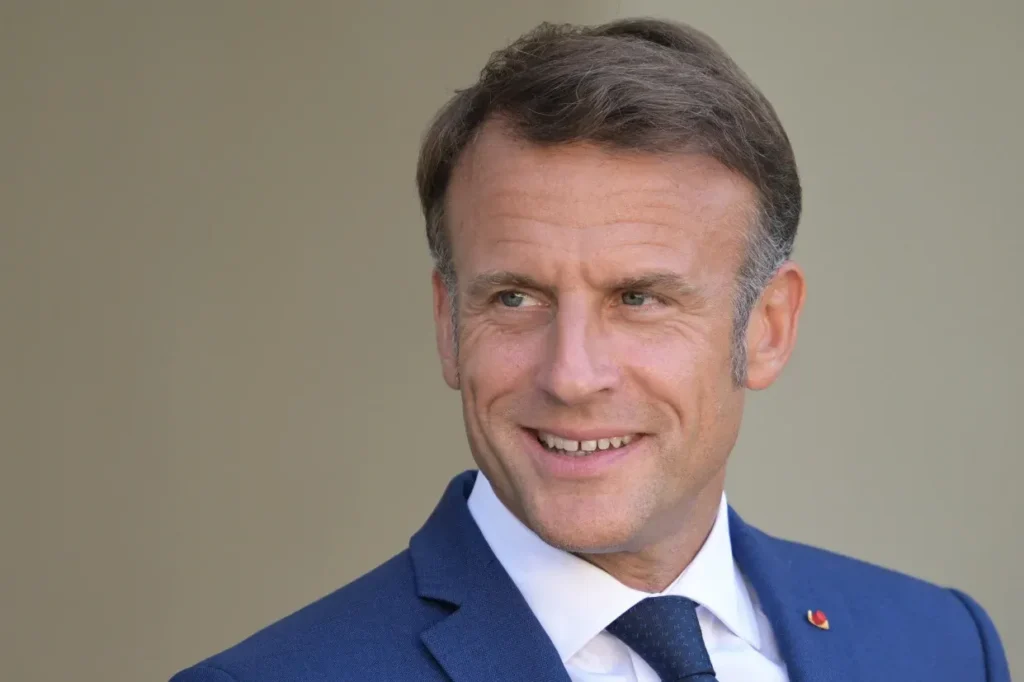
After another night of urban unrest featuring looting, violent clashes, and barricades in major French cities, the government is grappling with both a political storm and a deepening security emergency. Despite widespread acknowledgment of severe failures within the country’s security apparatus, President Emmanuel Macron has opted to retain Interior Minister Laurent Nuñez, rejecting his formal resignation.
In a move framed as a decision for stability amid turmoil, the Élysée Palace announced on Monday that the president had refused Nuñez’s offer to step down. The ministry, facing intense scrutiny over its handling of Saturday’s unrest, saw its leader attempt to resign in an act of political accountability—but the gesture was swiftly dismissed by the executive branch.
The cost of inaction: why Macron chose continuity over change
The refusal to accept Nuñez’s resignation was justified as a necessity to ensure state leadership continuity and prevent further destabilization of law enforcement during what has become a critical phase in France’s security crisis. With public trust in authorities eroding and unrest showing no signs of fading, the Élysée made clear that any leadership vacuum would only exacerbate the chaos.
The decision underscores a calculated gamble: maintaining a weakened figurehead in hopes of leveraging rapid operational reform over time. Yet with criticism mounting from all sides, the government’s move has done little to quell outrage over the way authorities have handled the escalating violence.
From hesitation to decisive action: the shift in police strategy
Nuñez’s retention comes with one non-negotiable condition. Macron has given him a direct mandate to implement sweeping changes in police intervention tactics within days. The goal is unmistakable: adopt a far more aggressive and proactive stance toward rioters and looters.
The new approach aims to dismantle traditional passive responses and move toward immediate disruption of violent gatherings. This includes preventing the formation of barricades, stopping the ransacking of businesses and public infrastructure, and restoring order through decisive pre-emptive measures rather than reactionary crowd control.
Rethinking intelligence: can France anticipate the next wave of unrest?
Beyond field tactics, the crisis has exposed glaring weaknesses in France’s intelligence and prediction systems. Macron has required Nuñez to conduct a full audit of the security services, targeting their apparent inability to foresee or prevent the scale of the current unrest.
The Élysée has demanded transparency in the findings, signaling a public expectation that long-standing blind spots in riot forecasting be urgently addressed. With political pressure intensifying across the political spectrum, Nuñez now faces a dual challenge: overhaul police response and restore public confidence in the state’s ability to protect its citizens.
What this means for France’s future stability
The government’s refusal to accept resignation over reform signals a high-stakes gamble on leadership endurance. While Macron insists the move ensures stability, critics argue it may delay meaningful change. The coming weeks will reveal whether the new tactics can curb violence—or if the crisis will deepen further, testing France’s social and democratic resilience.