A Region in Peril Lacking a Coherent Defense
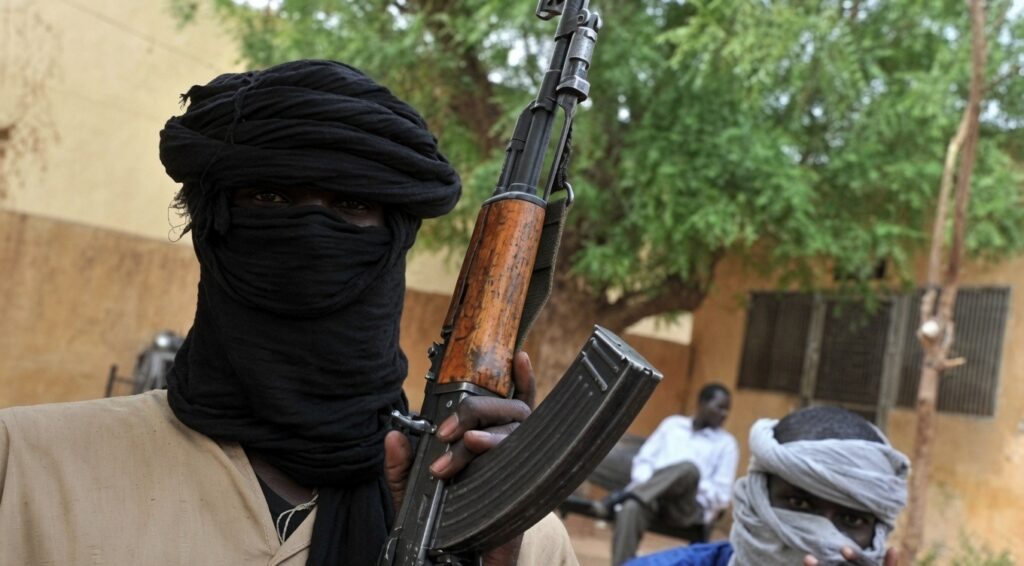
The Sahel-Saharan belt has unmistakably emerged as the world’s primary battleground for global jihadism. Stretching from western Mali to the periphery of the Lake Chad basin, millions of Sahelian civilians now endure the oppressive rule of groups affiliated with Al-Qaeda or the Islamic State. Their daily existence is a torment, marked by prohibitions on farming, the imposition of ultra-violent social codes, and the ever-present fear of the next raid. The most tragic dimension of this descent into chaos is not merely the strength of the attackers, but the glaring reality that no genuine security policy exists to contain the conflagration.
The Dominance of Reaction Over Strategy
Confronted by an interconnected threat that traverses the Sahel’s porous borders with disconcerting agility, state responses remain desperately fragmented, vague, and improvised. What we observe is a succession of knee-jerk reactions following each massacre, rather than the implementation of a thoughtful and shared military doctrine.
A security policy worthy of the name is not simply about acquiring military equipment or making pronouncements on social media. It requires:
- Real and sustainable strategic coordination among the Sahel’s frontline states.
- A permanent plan for securing road networks and agricultural areas to shield the Sahel’s rural economy.
- A territorial presence and shared intelligence capable of anticipating enemy movements rather than just assessing the damage.
In place of this, the current strategic vacuum leaves the field open for armed groups, who settle in, levy taxes, and establish themselves as the sole administrators of vast portions of Sahelian territory.
The Trap of a Military-Only Approach Without a Broader Vision
Another symptom of this security policy deficit in the Sahel is the illusion that the crisis can be resolved by military means alone. By overlooking the “human security” aspect—which includes the return of public services, schools, health clinics, and impartial justice to fragile zones—governments create a recruitment opportunity for jihadist groups.
Because there is no long-term vision to permanently re-establish the state where it has failed, military operations, even when they achieve temporary success, become exercises in futility. As soon as the army withdraws or shifts its focus to another area, terrorist groups return, stronger and more deeply embedded within local communities than before.
An Urgent Wake-Up Call or Total Collapse
The assessment from Mali to Lake Chad is a severe warning for the region’s future. One cannot combat a structured, global insurgency with improvisation and shifting strategic alliances. As long as Sahelian leaders refuse to design a comprehensive, methodical, and truly coordinated security policy, political speeches will come and go, while the ground itself will continue to slip inexorably into the hands of armed groups.

More Stories
Can Gabon’s poultry import ban survive the WTO test?
Can Mali’s independence parade coexist with a shared AES identity?
Gabon’s fisheries deal with Europe: can Libreville turn access rights into real local wealth?