Structural changes coming to Gabon’s utility sector
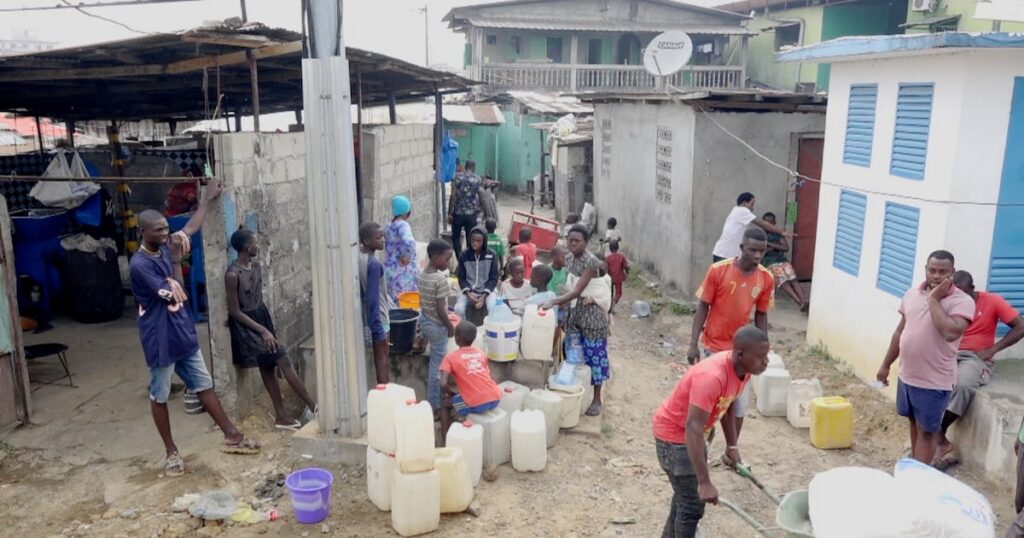
The President of the Republic has made a definitive call for the restructuring of the SEEG (Société d’Énergie et d’Eau du Gabon). Speaking before the Congress, he emphasized that a deep reform is the only way to provide a lasting solution to the utility challenges facing the nation. This announcement serves as a direct acknowledgement that the current utility model is no longer functional, as Gabon continues to struggle with chronic water and power shortages.
A strategic split for better efficiency
The proposed presidential strategy is built on two primary objectives: the complete separation of water and electricity management, and the dissociation of production, distribution, and commercial activities. This new organizational structure aims to foster greater accountability and operational efficiency.
During his address, the Head of State pointed out the absurdity of current delays, noting that simple water leaks can sometimes take three months to be addressed. He argued that if the revenue of a specific sector is tied directly to the quality of its service, response times would naturally improve. He also dismissed concerns that the water department could not survive financially without being subsidized by electricity revenues.
Governance failures and public responsibility
The crisis is largely attributed to poor governance within the public utility company. The President was candid about the situation, noting that the ongoing load shedding is partly due to the SEEG failing to settle its debts with various operators. However, the responsibility is not one-sided. The President also condemned widespread civic irresponsibility among users, citing issues such as unpaid bills, the illegal burying of meters, electricity theft, cable vandalism, and unauthorized connections.
The weight of two decades of stagnation
Technical assessments of the infrastructure are grim. Experts within the SEEG administration have noted that no significant structural investments were made over the last twenty years. This lack of development occurred even as energy demand nearly doubled between 2010 and 2024. The impact on the population is severe, with Libreville experiencing rotating power cuts and some neighborhoods going without water for several months at a time.
Mixed reactions from the public
Citizens remain divided on whether these changes will bring immediate relief. Mariam Yama, a local subscriber, expressed optimism, suggesting that two distinct entities might lead to better service. Others, like Nicole Esso, remain cautious, pointing out that equipment renewal has failed to keep pace with demand for years. She urged for patience while the government works on the transition.
From a financial perspective, some observers are wary. Cédric Pango, a corporate executive, highlighted a potential risk: while electricity is naturally more profitable, the water sector has long been neglected. He cautioned that if the two are separated without a clear plan for the water sector’s profitability, the situation could potentially worsen.
Recent efforts and political stakes
In an effort to provide immediate relief, the government has already initiated several projects. In early 2025, an agreement was reached with the Turkish firm Karpowership to provide 150 megawatts through floating power plants for the Grand Libreville area. Additionally, Gabon has successfully interconnected its power grid with Equatorial Guinea.
For Brice Clotaire Oligui Nguema, who secured a significant mandate in the April 2025 elections, the restoration of reliable utilities is a cornerstone of his administration’s credibility. The transition from policy to practice is now the primary focus for residents who are desperate for a consistent supply of water and power. The coming months will determine if this massive undertaking can finally end the cycle of service interruptions.