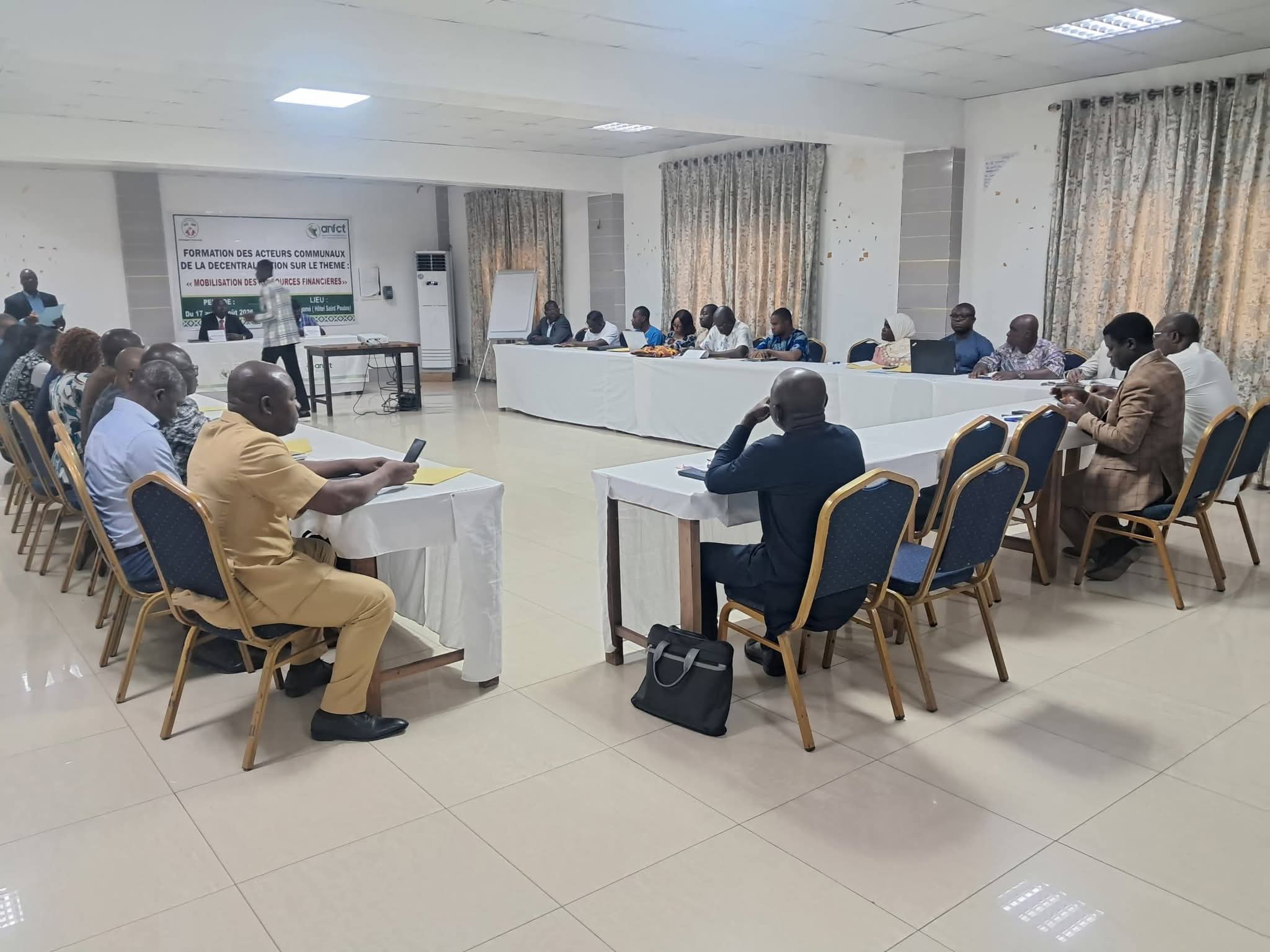
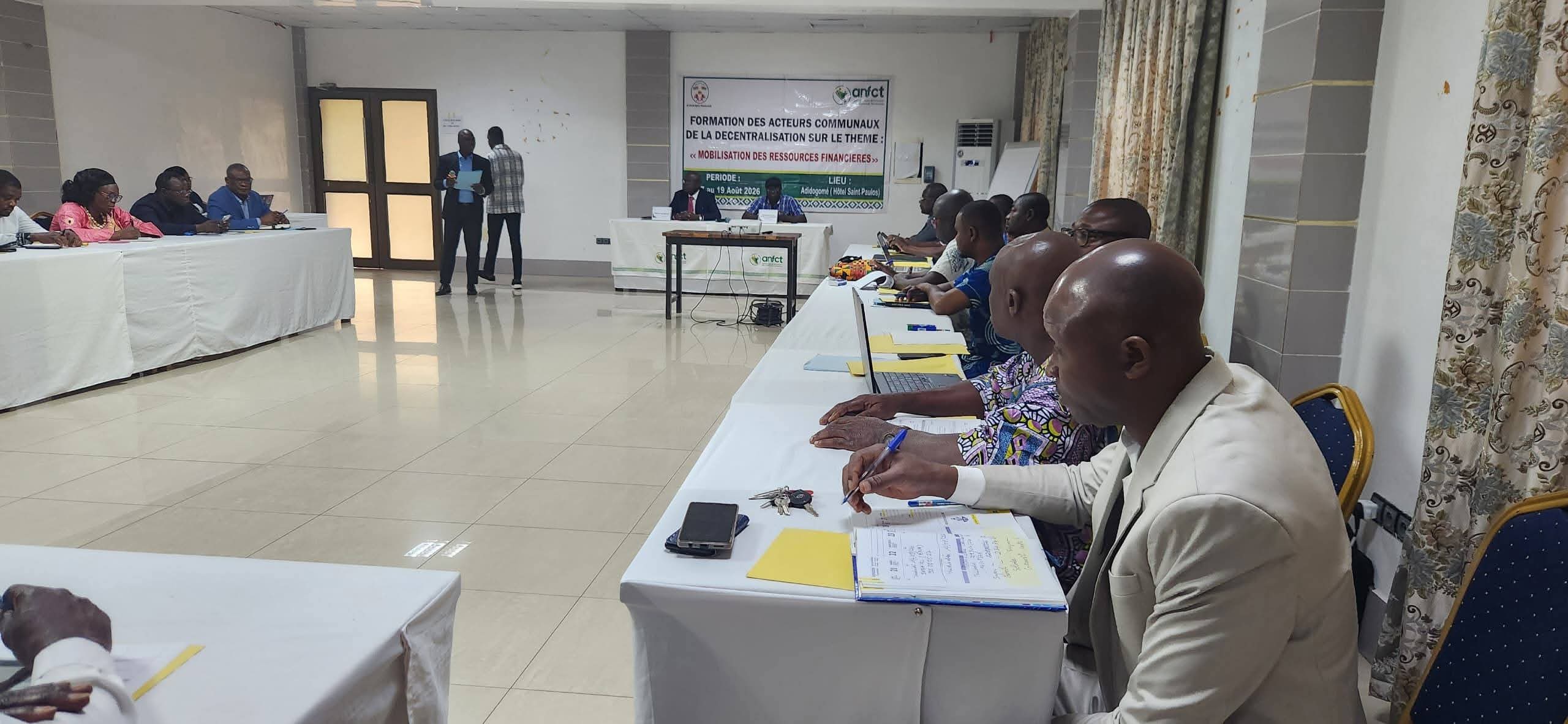
LOMÉ, August 17, 2026 — Effective local governance hinges on the capacity of municipal authorities to secure and manage financial resources adeptly. Recognizing this critical need, officials from Golfe 2, Golfe 3, Agoè-Nyivé 5, and Agoè-Nyivé 6 communes convened in Golfe 7 for a vital three-day training session, commencing August 17, 2026.
This intensive program, dedicated to enhancing financial resource mobilization, aims to equip local stakeholders with advanced techniques to bolster communal revenues and refine their administrative oversight. The initiative is a cornerstone of the National Training Plan, spearheaded by the National Agency for Training of Local Authorities (ANFCT).
LA SUITE APRÈS LA PUBLICITÉ
Financial autonomy: a core imperative
For communes across Lomé, the challenge extends beyond merely identifying new funding streams. It encompasses strengthening the security of existing revenues, optimizing collection processes, and crucially, translating mobilized resources into tangible public services that benefit residents.
The financial capacity of a local authority directly dictates its ability to fund essential infrastructure, maintain public facilities, and address the pressing social and economic requirements of its populace. In this context, elevating the competencies of communal agents and leaders emerges as a pivotal aspect of robust local governance.
The gathering in Golfe 7 is meticulously designed to leverage this aspect, fostering the acquisition of practical skills and facilitating the exchange of valuable experiences among participating local governments.
Practical training for local governance
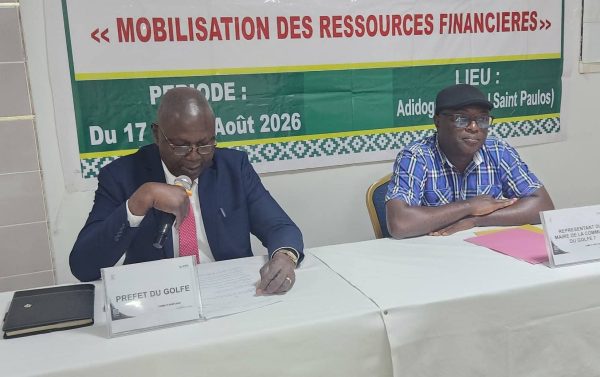
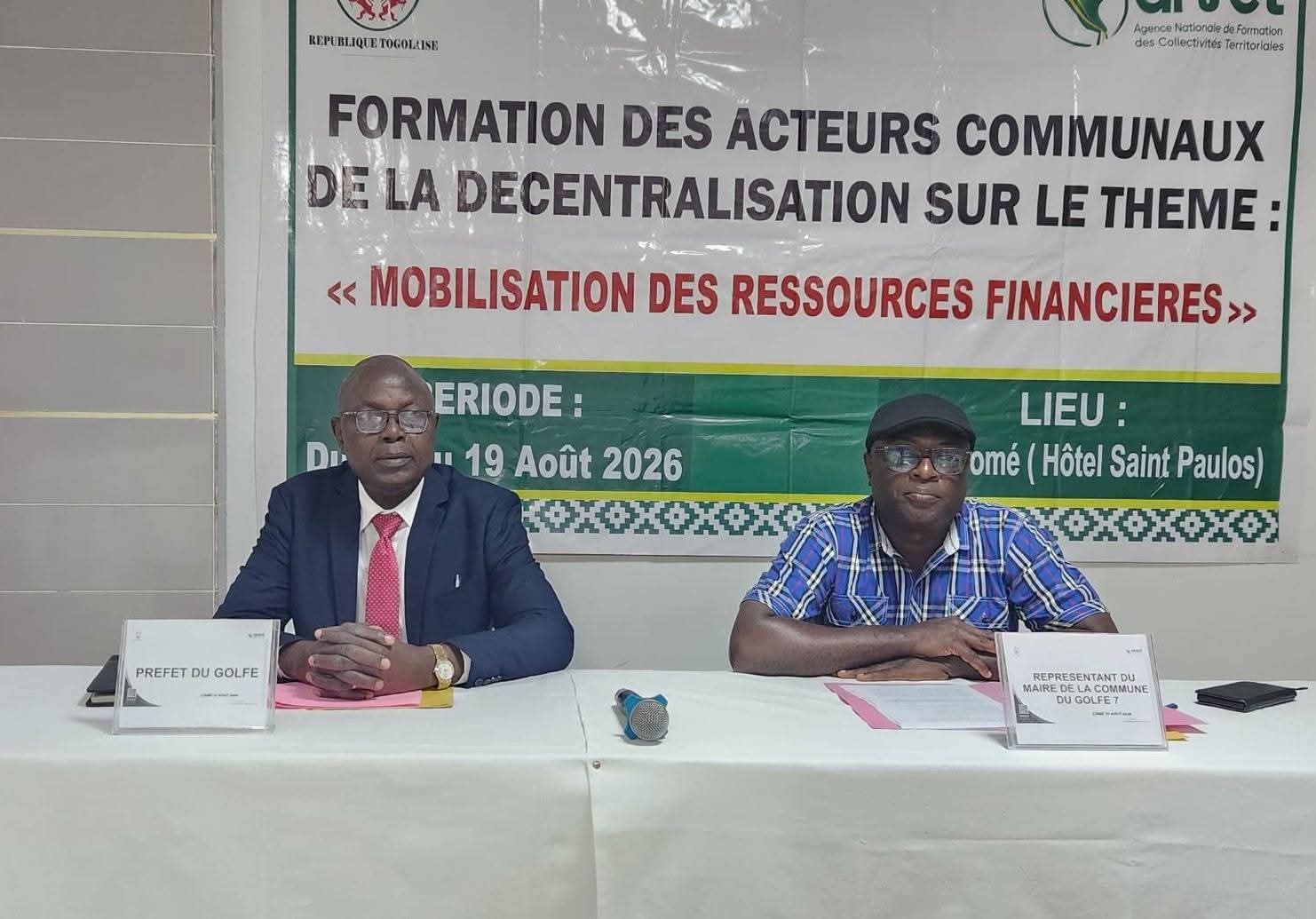
The Prefect of Golfe, Kossivi AGBODAN, officially inaugurated the proceedings on Monday, August 17. He was joined by ADAKA Koffi, the third deputy mayor of Golfe 7, alongside mayors, representatives from the participating communes, general secretaries, and key financial sector actors.
Speaking on behalf of the Senator-Mayor, ADAKA Koffi characterized the meeting as a pivotal opportunity to reinforce the communes’ capabilities in forging genuine financial independence. He urged all attendees to maximize their engagement over the three-day agenda, particularly through collaborative discussions and the identification of solutions directly applicable to their local contexts.
The adopted methodology transcends mere theoretical instruction, emphasizing a hands-on approach. Participants are encouraged to critically assess their current practices, pinpoint on-the-ground challenges, and collaboratively devise strategies to enhance their resource mobilization mechanisms.
Prefect AGBODAN’s address underscored a second crucial imperative for the discussions: the unwavering commitment to discipline in local public finance management.
A commune might successfully increase its revenues, yet fail to genuinely improve residents’ living conditions if it lacks stringent control over how those resources are utilized. For Kossivi AGBODAN, the drive to mobilize funds must be inextricably linked with financial orthodoxy, rigorous accountability, and transparent practices.
This emphasis imbues the training with particular significance. The ultimate goal transcends merely boosting income; it is to ensure that every collected resource effectively supports and advances communal policies and projects, leading to tangible positive change.
Three-day intensive to transform local practices
Through August 19, participants will engage in a collaborative framework designed to deepen their expertise, share diverse experiences, and explore innovative avenues for sustainably improving both the mobilization and management of financial resources.
With this crucial initiative, the ANFCT continues its vital role in supporting local authorities throughout the ongoing decentralization process. For the four participating communes, the immediate challenge lies in transforming the knowledge gained from this training into concrete, actionable practices that will fortify their financial capabilities and, ultimately, enhance their responsiveness to the needs of their communities.
Suivez l’information en direct sur notre chaîne
WHATSAPP
By Marguerite Ndongo — Political and Security Analyst
Follow this storyAdd our feeds to your favourite RSS reader