A strategic shift for Gabon’s maritime resources
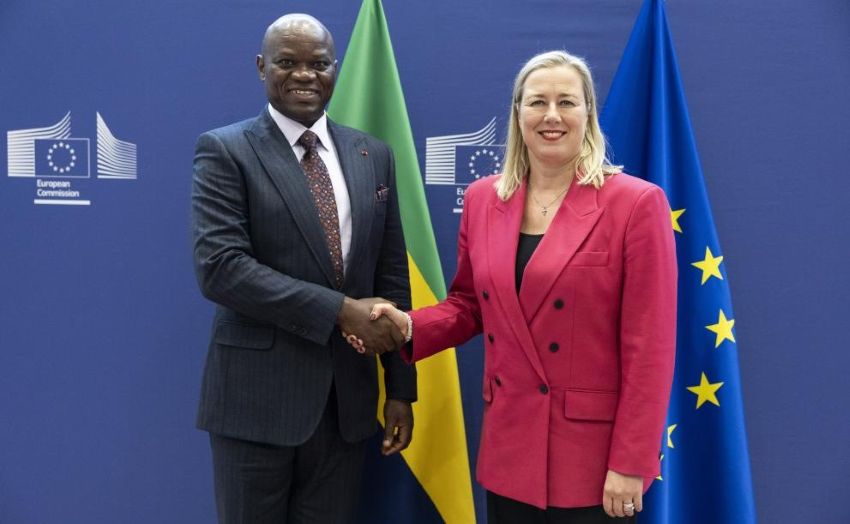
The date of June 29, 2026, marks a definitive turning point in the economic history of Gabon. After nearly two decades of maritime cooperation with the Union européenne, Libreville has made the bold decision to let the long-standing Fisheries Partnership Agreement expire. This move signals a profound transformation in how the nation intends to manage its aquatic wealth.
Far from being a routine administrative choice, this non-renewal represents a calculated strategy to place national interests at the forefront of development. By moving away from a framework established in 2007, the government is asserting its right to economic sovereignty, moving past a legacy of exporting raw materials with minimal local benefit.
Moving beyond an unequal partnership
For nineteen years, European vessels operated within Gabon‘s territorial waters under this agreement. While it was once framed as a pillar of economic cooperation, the reality often fell short of expectations. Assessments conducted over the years revealed that the direct financial returns for Gabon remained disproportionately low compared to the actual value of the fish being harvested.
Historically, the vast majority of the catch was shipped directly to international markets without any local processing. This lack of domestic value addition prevented the growth of a local industry, stifled job creation, and limited the development of specialized technical skills within the country. Under the leadership of President Brice Clotaire Oligui Nguema, the focus has now shifted toward ensuring that natural resources serve as the engine for a new national economic trajectory.
The birth of a local blue economy
The expiration of the deal clears the path for a revamped fisheries policy centered on diversification. The objective is clear: transform the fishing sector into a primary driver of growth through several key initiatives:
- Industrialization: Establishing local processing plants to ensure that seafood is refined within Gabon before being exported.
- Food Security: Prioritizing the domestic market to improve the availability of affordable protein for the population.
- Entrepreneurship: Encouraging the rise of national companies capable of competing with international players in strategic maritime sectors.
This new direction is expected to catalyze private investment in cold chain logistics, maritime transport, and food technology. With a coastline stretching over 800 kilometers, Gabon possesses the natural assets required to build a world-class, sustainable blue economy.
A new era of resource management
The decision to break from the Union européenne agreement is a powerful symbol of a wider trend across Africa, where nations are increasingly seeking to rebalance international ties. It is no longer enough to simply extract resources; the priority has shifted to mastering the entire value chain.
The success of this transition will depend on Gabon‘s ability to modernize its infrastructure and attract the necessary capital to replace the old system. By choosing to prioritize local transformation over the raw export of its maritime heritage, Libreville is asserting that true national wealth is found in the ability to process, value, and sustainably govern its own resources.

More Stories
Can Niger still call itself a state of law after jailing lawyer Abdourahamane Lirwana?
Can Benin replicate its 2023 financing success with 328 billion FCFA in 2026?
Burkina Faso: can the official narrative on four years of Ibrahim Traoré’s rule withstand scrutiny?