Gabon: why technical expertise is the key to solving the water and energy crisis
Libreville — For years, the public discourse surrounding Gabon’s water and power struggles has fixated on the visible symptoms: frequent blackouts, dry taps, and widespread frustration. However, a critical question has remained largely ignored: have the engineers and technicians who actually manage these networks been given a seat at the table?
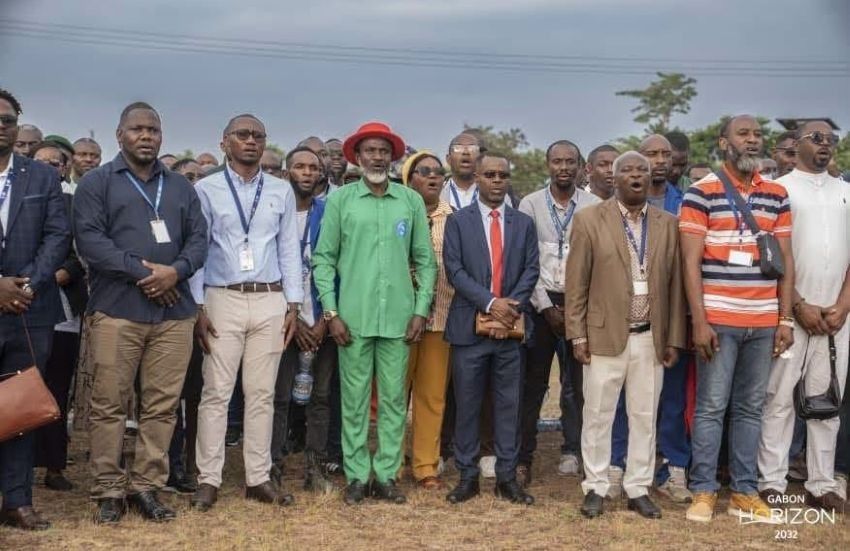
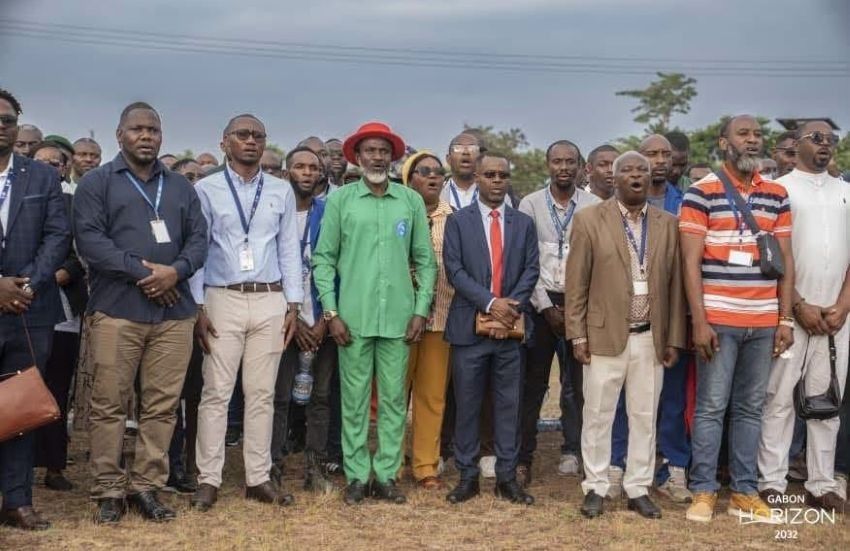
A recent high-level meeting between President Brice Clotaire Oligui Nguema and the workforce of the SEEG at the Jean Violas vocational center in Owendo may have signaled a fundamental shift. For three hours, the Head of State listened to the frontline workers who navigate the daily complexities of the nation’s utility infrastructure.
The feedback from these professionals was clear. While infrastructure is undoubtedly aging, a more systemic issue has crippled the SEEG: the steady marginalization of technical expertise in favor of administrative decision-making.
Putting technical diagnostics at the center
The testimonies shared during the session highlighted a recurring grievance. Technicians are the first to spot emerging risks and propose practical fixes, yet their insights are frequently sidelined during high-level strategic planning. This disconnect between field reality and executive management has allowed minor malfunctions to evolve into structural failures.
This trend mirrors challenges faced by global industrial giants. Management experts often point to companies like Boeing, where financial or administrative pressures eventually overshadowed engineering requirements, leading to crisis. Conversely, brands like Mercedes built their reputations by ensuring engineers maintained a dominant influence over strategic directions.
Electricians, network engineers, and water specialists at the meeting described a system where technical voices were lost in the hierarchy, preventing the implementation of effective long-term solutions.
The engineering reality of water shortages
The dialogue also shed light on the technical nuances of the water crisis that the public rarely sees. Beyond simple outages, the issue of hydraulic pressure is a major hurdle. When the available water volume drops, the pressure falls automatically, making it impossible for water to reach higher ground or upper floors of buildings.
This problem is intensified during the dry season. The current primary source, the Ntoum river, suffers from low water levels during this period, naturally reducing the flow available for distribution.
This technical reality raises a strategic question: as the sector undergoes a total overhaul, why not look toward the Kango river? Its water volumes are significantly more abundant and stable throughout the year. While tapping into this resource would require massive investment, it aligns with the type of foundational infrastructure needed to support a growing Gabon.
Success depends on empowering specialists
The upcoming transition to the Gabonaise des Eaux and Électricité du Gabon offers a rare historical window to rebuild these two vital sectors from the ground up. However, new equipment and funding will not be enough to ensure success.
The true lesson from the exchange between the President and the SEEG staff is that the solutions are often already present within the organization. They reside with the men and women who maintain and operate the machinery every day.
To move past the current energy and hydraulic crisis, the new entities replacing the SEEG must prioritize the voices of their engineers and specialists. While the state can provide the capital for infrastructure, only technical competence and field-based listening can guarantee a reliable public service for the citizens of Gabon.