Gabon’s president outlines bold economic and political roadmap
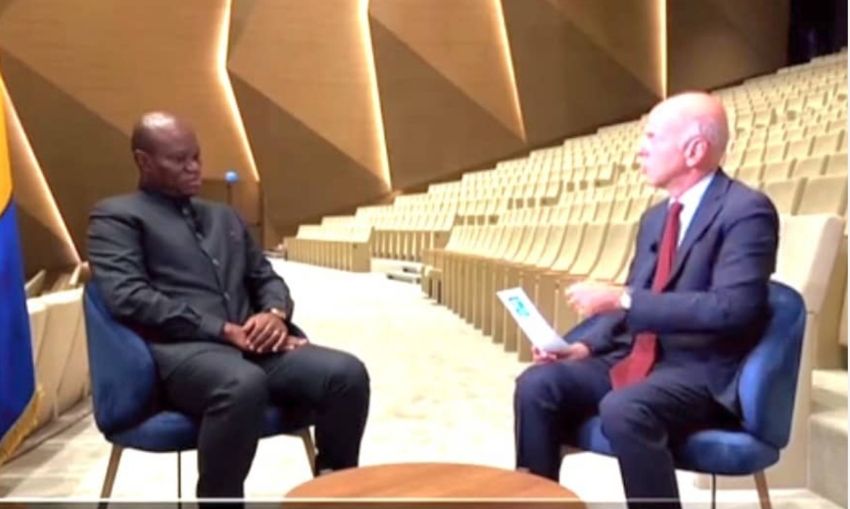
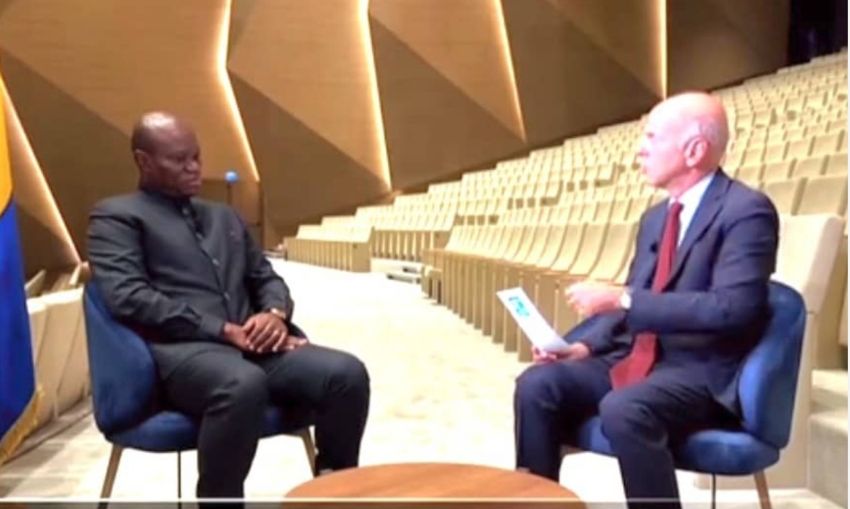
Libreville, June 3, 2026 – Addressing international media in a carefully staged event at the Cité de la Démocratie, Gabon’s President Brice Clotaire Oligui Nguema outlined his administration’s vision for the nation’s future, emphasizing long-term economic sovereignty, progressive reforms, and an uncompromising stance against dynastic rule.
During an exclusive interview with a leading international broadcaster, the President defended his administration’s track record, defended key economic policies, and addressed pressing domestic and global issues with candor. The event, held in the capital’s premier diplomatic venue, signaled a defining moment in Gabon’s evolving political narrative.
Progress through patience: the reform agenda
In response to criticism about the pace of development—particularly in essential services like electricity and potable water—the President framed his administration’s approach as one of deliberate, sustainable progress. He highlighted infrastructure investments exceeding 800 billion CFA francs, stressing that transforming a nation demands time and strategic planning, not instant results.
Economic sovereignty as national doctrine
The most consequential remarks centered on economic policy. The President confirmed Gabon’s intention to engage with the International Monetary Fund—but only after a full audit of public finances ensures transparency and control. This stance underscores a broader strategy: reclaiming financial sovereignty before entering new international agreements.
A landmark decision was announced: from 2029, Gabon will prohibit the export of raw manganese. As one of the world’s top producers, the country aims to shift from exporting unprocessed minerals to building local processing capacity. The message to international mining firms—particularly French operator Eramet—was unambiguous: processing plants must be operational by the deadline, or raw exports will halt. This move reflects a broader effort to rebalance power between the state and foreign corporations, ensuring greater value creation within Gabon.
Balanced diplomacy without isolation
Internationally, the President emphasized that asserting Gabonese sovereignty does not equate to isolation. He confirmed a scheduled state visit to France in July and underscored the strength of Gabon-France relations, citing the recent handover of Camp de Gaulle as a collaborative milestone rather than a confrontational act. This approach—partnership without dependency—has become a cornerstone of Gabon’s current foreign policy.
On a U.S. proposal to host deported migrants, the President firmly declined, affirming that such an arrangement did not align with national interests, despite maintaining strong ties with Washington.
Rejecting political dynasties, affirming democratic renewal
The interview also addressed the legacy of former President Ali Bongo Ondimba, with the current leader acknowledging health concerns while redirecting responsibility for past governance issues. Most notably, he categorically ruled out any political dynasty under his name—a direct response to regional trends of extended mandates and hereditary succession.
He reaffirmed the constitutional principle of a single seven-year term, renewable once, positioning it as a cornerstone of the new institutional architecture aimed at fostering democratic alternation. This commitment signals a break from the past and a deliberate move toward institutional stability.
The test of implementation
Beneath the policy declarations and diplomatic messaging lies a clear political doctrine: economic sovereignty, local resource transformation, balanced international partnerships, phased infrastructure reforms, and a commitment to democratic alternation. Yet, as the President himself acknowledged, declarations alone will not suffice. Gabonese citizens will measure success not by intentions, but by tangible outcomes.
One year into his mandate, Brice Clotaire Oligui Nguema has staked a claim on a simple but profound promise: a state that reclaims control over its economic and political destiny. Whether this vision endures will be decided in the years ahead.