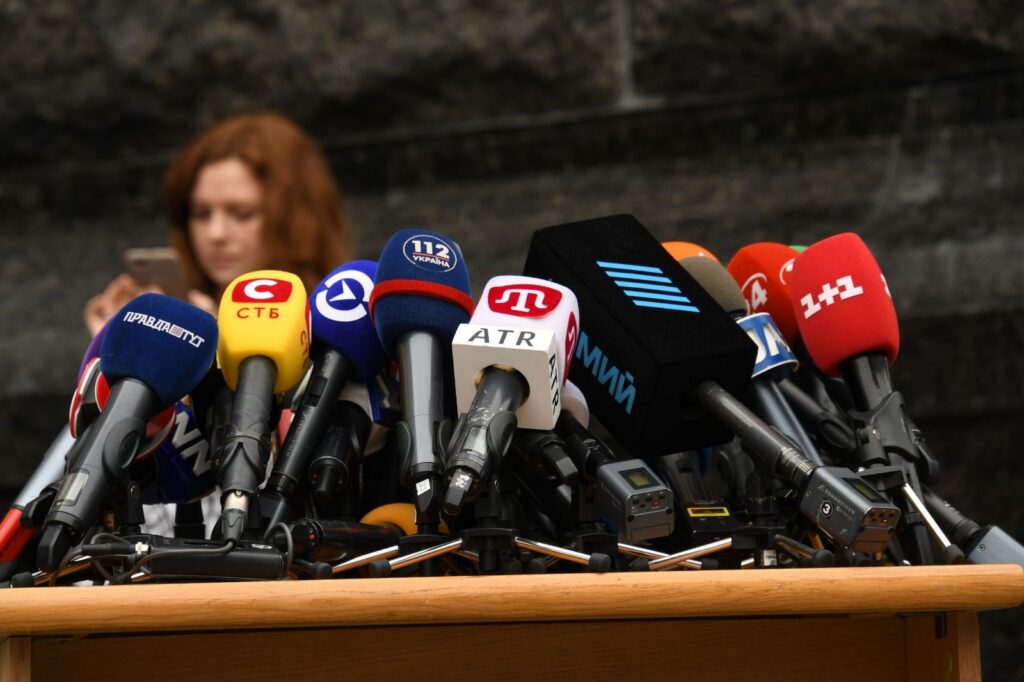
Gabon’s press card has been reinstated after a five-year hiatus, marking the end of a bureaucratic freeze that left journalists without official accreditation. The announcement in Libreville, delivered this week, arrives with a five-day window for applicants to submit paperwork—a deadline many in the profession view as unrealistically short. The move comes as the transitional government seeks to restore institutional clarity amid evolving political dynamics.
Five years without official press accreditation disrupted Gabon’s media landscape
Since 2019, journalists in Gabon navigated an uncertain professional environment without updated accreditation. The freeze persisted through the final years of former President Ali Bongo Ondimba’s administration and into the tenure of transitional leader General Brice Oligui Nguema, who took power in August 2023. The absence of renewed press cards left professionals without a critical tool for accessing institutions, verifying their credentials, and distinguishing themselves from the growing ranks of communicators and influencers shaping public discourse.
Media regulation in Gabon has long been split between the Ministry of Communication and the High Authority for Communication. The resumption of card issuance signals a political commitment to restoring a clearer operational framework, particularly as the country prepares for elections to conclude the post-coup transition period. More than a technical document, the press card has become a barometer of institutional normalization.
Cramped submission windows strain journalists across Gabon
The five-day deadline for submissions has raised concerns. Applicants must compile employer attestations, proof of tenure, published work samples, and other administrative documents in a compressed timeframe. For reporters based outside Libreville—such as those in Port-Gentil, Franceville, or Oyem—the logistical hurdles are substantial, given Gabon’s fragmented digital infrastructure.
Media watchdogs, including the Gabonese Observatory of Media and regional branches of pan-African press bodies like the Union of French-Speaking Press, are monitoring the rollout closely. The total number of eligible applicants remains unclear: Gabon’s media sector includes a few hundred professionals across print, radio, television, and a rapidly expanding digital sphere. The press card also serves as a statistical baseline, helping quantify an industry often stretched thin.
Press card reactivation tests transparency in Gabon’s democratic transition
The reinstatement falls under international scrutiny, as Gabon ranked 56th in Reporters Without Borders’ 2024 World Press Freedom Index—a relatively favorable position for Central Africa but one still vulnerable to backsliding. Advocacy groups warn that an official card should not serve as an arbitrary gatekeeper for access to press events or official travel, a lesson drawn from neighboring countries where accreditation processes have sparked prolonged disputes.
The experience of Senegal highlights the risks of rushed implementation. In Dakar, the 2017 press code languished for years as the accreditation commission stalled, fueling tensions between regulators and professional bodies. By contrast, Côte d’Ivoire’s annual publication of press identity rosters has gradually institutionalized routine administrative oversight, an achievement few Central African capitals have matched.
For Libreville’s authorities, the stakes transcend logistical efficiency. A transparent, well-paced process with clear criteria would bolster the credibility of the transitional government’s pledge to break from past practices. Conversely, an expedited rollout risks reinforcing skepticism among journalists who have weathered five years of political upheaval without meaningful updates to their professional framework. The coming days will reveal whether this reactivation represents a step toward genuine reform—or merely symbolic compliance.