UN vote on Cuba embargo exposes cracks in African diplomatic unity
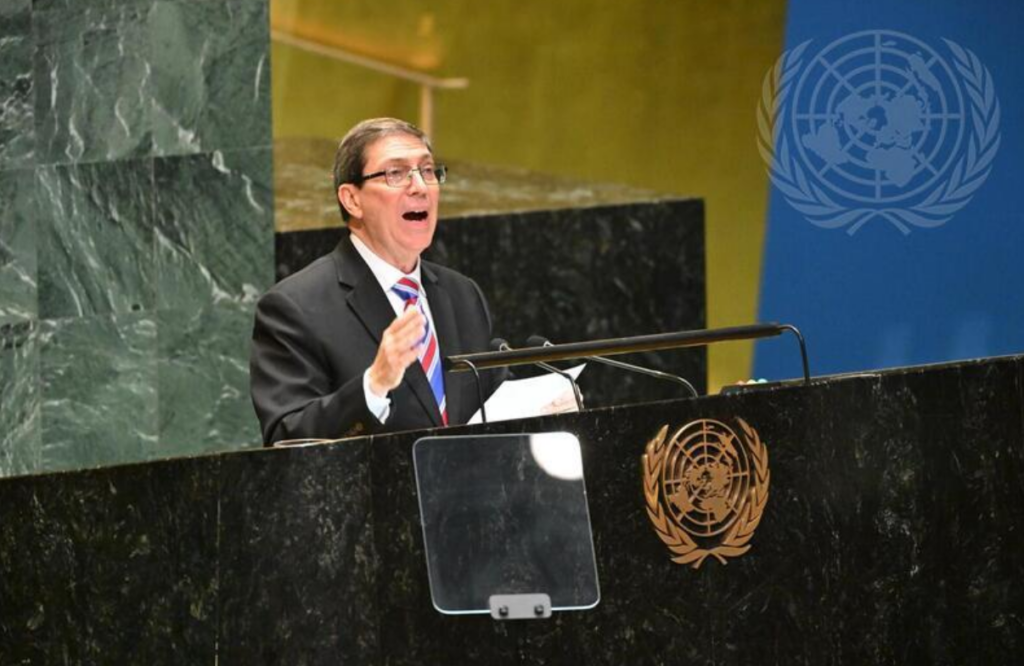
In a striking departure from continental consensus, Morocco stood alone among African nations on October 28, 2026, when the United Nations General Assembly voted overwhelmingly to lift the decades-old U.S. embargo on Cuba. While 130 member states supported the resolution, 17 opposed it, and 25 abstained—Morocco was the only African nation to vote against the measure. The decision, made in New York, highlights shifting diplomatic alignments and raises questions about the long-term implications for African economic policy and international trade.
This year’s vote—marking the 34th consecutive UN resolution calling for an end to the embargo—represented a notable decline in global support compared to 2025, when 165 countries voted in favor. The shift reflects growing geopolitical realignments and underscores the complexity of balancing sovereignty, economic interests, and political alliances in multilateral forums.
Morocco’s lone dissent: breaking from African consensus on Cuba
The Moroccan vote was not an isolated event—it signaled a reversal from 2025, when Rabat abstained from the same resolution. This change raises immediate concerns about the durability of African consensus on key international issues and the potential consequences for continental economic cooperation.
For decades, African nations have consistently supported resolutions calling for the lifting of the Cuban embargo, viewing it as a violation of international law and a barrier to economic sovereignty. The embargo, first imposed in the 1960s, has subjected Cuba to severe shortages, energy crises, and chronic underdevelopment—circumstances that resonate deeply across Africa, where many nations continue to grapple with similar challenges.
While the motivations behind Morocco’s shift remain officially unaddressed, the decision places it at odds with a long-standing continental stance. The absence of a public explanation limits broader analysis of whether this vote reflects a strategic realignment, economic pragmatism, or a departure from traditional African diplomatic solidarity.
Implications for African trade and economic sovereignty
African economies have historically benefited from Cuba’s expertise in sectors like healthcare and education, particularly through exchange programs and cooperative initiatives. A prolonged embargo not only isolates Cuba but also disrupts opportunities for mutually beneficial partnerships across the Global South. Morocco’s vote, therefore, carries implications that extend beyond diplomatic symbolism—it could influence future continental voting patterns and trade negotiations, particularly with Western nations.
Context matters: why some nations changed positions
Several countries that had previously supported the resolution—including Germany and Italy—shifted to abstention in 2026. Others, such as Morocco, moved from abstention to active opposition. These changes suggest growing pressure from Washington, which has intensified lobbying efforts to roll back international support for the embargo resolution. While no clear pattern explains all shifts, the divergent responses highlight a broader fragmentation of global policy stances on Cuba.
Cuba’s enduring struggle under the U.S. embargo
The embargo, described by the U.S. as a response to Cuba’s political system and human rights record, has been in place for over six decades. Its effects ripple beyond U.S.-Cuba relations, impacting international businesses, financial institutions, and humanitarian access. For Cuba, the restrictions exacerbate energy shortages, undermine food security, and cripple infrastructure development, pushing ordinary citizens into deep economic hardship.
Cuban authorities argue that the embargo constitutes a collective punishment that stifles national development and violates the principles of sovereignty enshrined in international law. Advocates of the resolution point to the embargo as a key driver of Cuba’s economic decline, calling for its immediate termination to restore stability and enable recovery.
UN vote delivers symbolic victory, but real change remains distant
Despite the resolution’s passage, its non-binding nature means it has no direct legal effect on U.S. policy. Lifting the embargo ultimately depends on decisions by the U.S. Congress—an outcome that remains uncertain despite growing international pressure. Still, the vote sends a powerful signal: a renewed majority of the global community stands united in opposition to unilateral economic sanctions, even as individual nations like Morocco rethink their positions.
For Africa, the most consequential takeaway is not the vote itself, but the erosion of a once-solid continental front. As global alliances shift, the risk grows that economic solidarities—once a cornerstone of African diplomacy—will fragment, potentially weakening the continent’s voice on the world stage.
What’s next for Morocco and African diplomacy?
The Moroccan government has yet to provide an official rationale for its vote, leaving analysts and regional partners to speculate about its long-term strategic implications. Will this mark the beginning of a broader realignment in Morocco’s foreign policy? Or is it a tactical response to recent geopolitical pressures?
One thing is clear: the vote has introduced a new variable into African diplomatic calculations. As nations weigh sovereignty against alignment, the question remains—can Africa maintain its unity on issues of global justice when even a single dissent carries consequences?