international relations
how saudi arabia, qatar, Turkey and Iran challenge Morocco’s influence in africa
massive financial investments in mosques, religious training, and charity work: saudi arabia, qatar, Turkey, and Iran are deploying their resources to expand their footprint across the continent, reshaping the competition for religious and diplomatic influence.
For decades, Morocco held a dominant position in Africa, leveraging its religious and cultural ties to strengthen its diplomatic reach. However, in recent years, its influence has faced unprecedented challenges from four key players: Saudi Arabia, Qatar, Turkey, and Iran. These nations are pouring substantial financial resources into religious infrastructure, educational programs, and humanitarian initiatives across the continent, aiming to reshape Africa’s religious landscape in their favor.
a new era of religious diplomacy in africa
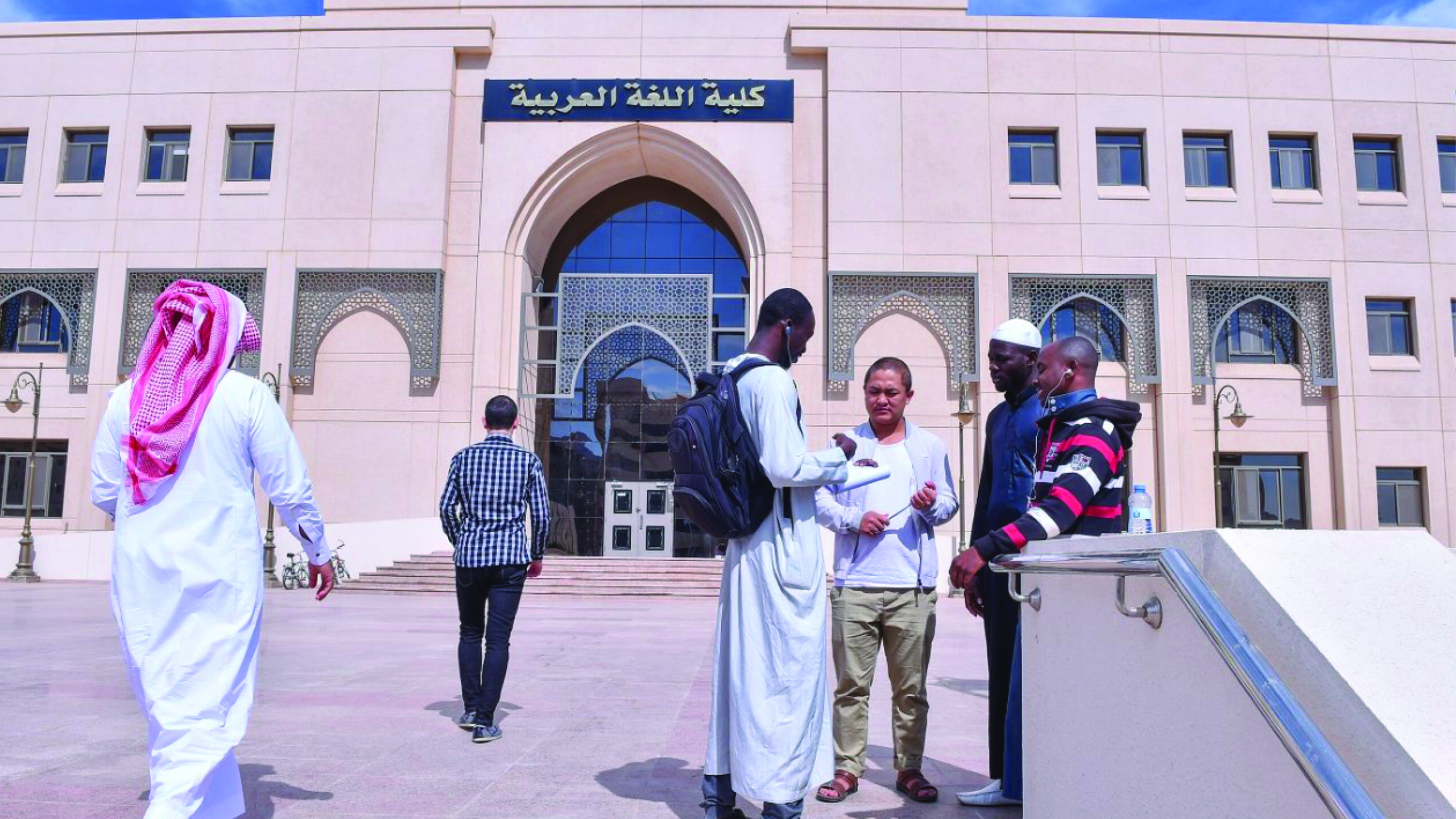
The strategies employed by these competitors are anything but subtle. Saudi Arabia, long a leader in Islamic outreach, has significantly expanded its construction of mosques and religious centers. These projects are often accompanied by programs to train imams and religious scholars, ensuring that the religious narrative aligns with its own interpretations. The kingdom’s investments are not limited to physical structures; it also funds scholarships for African students to study in Saudi universities, further embedding its influence.
qatar: soft power through education and charity
Qatar, while smaller in scale, has adopted a different approach—focusing on education and humanitarian aid. The country funds the establishment of Islamic schools and universities in various African nations, providing free education and resources to local communities. Additionally, Qatar’s charitable organizations play a significant role in disaster relief and social development, earning goodwill and strengthening its ties with local populations.
Turkey’s expanding religious and cultural footprint
Turkey, under its current leadership, has also intensified its religious diplomacy in Africa. The country has invested in building mosques and cultural centers, often modeled after iconic Ottoman architecture. These projects are part of a broader strategy to promote Turkey as a leader in the Muslim world, particularly in Sub-Saharan Africa. Turkish religious organizations, such as the Diyanet Foundation, actively engage in humanitarian work, further solidifying Turkey’s presence.
Iran’s ideological influence
Iran, meanwhile, has focused on spreading its Shiite ideology through religious education and cultural programs. The country funds mosques, madrasas, and religious schools in predominantly Sunni African nations, often targeting marginalized communities. Iran’s approach is less about large-scale infrastructure and more about ideological alignment, seeking to build a network of followers who adhere to its religious and political doctrines.
the stakes: can Morocco retain its edge?
The competition is fierce, and Morocco is no longer the sole player in the game. While it continues to benefit from historical ties and a well-established religious network, its competitors are rapidly gaining ground. The financial resources at their disposal allow them to outspend Morocco in many regions, particularly in West and East Africa. However, Morocco’s deep-rooted cultural and religious connections still give it an advantage in certain areas, such as the Sahel and Maghreb.
Yet, the battle for influence is far from decided. The success of these competitors depends not only on their financial might but also on their ability to adapt to local contexts and build genuine relationships with African communities. Religious diplomacy is a long-term game, and the outcomes will only become clear in the coming years.