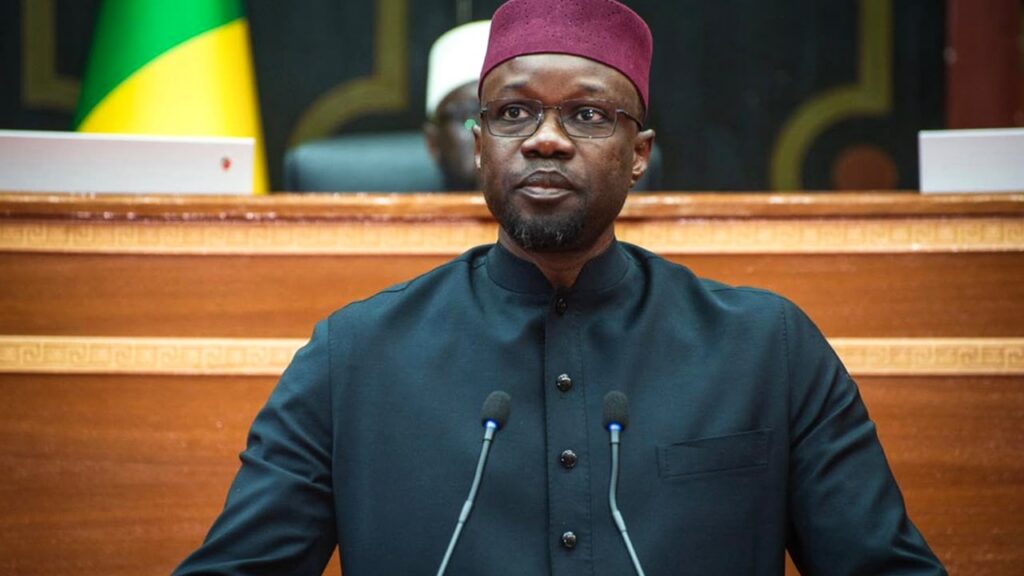

In Senegal, the rulings of the Constitutional Council are not merely legal technicalities—they are reshaping the country’s political landscape in real time. For the Pastef movement, these decisions carry heavy consequences that extend beyond the courtroom, directly affecting citizens, businesses, and the nation’s democratic stability. Since taking office as National Assembly President, Ousmane Sonko has faced repeated legal challenges that threaten to derail his party’s progress and erode public confidence in Senegal’s institutions.
Why Pastef keeps clashing with the Constitutional Council
The Pastef coalition, led by Ousmane Sonko, has become a central force in Senegalese politics. However, its rise has not gone unchallenged. Multiple rulings by the Constitutional Council have blocked key initiatives, delayed leadership appointments, and even restricted political participation. These legal interventions are raising questions: Is the council acting as a neutral arbiter—or is it influencing the balance of power in ways that favor certain political groups?
The council’s decisions often hinge on technical interpretations of the law, but their real-world impact is undeniable. For Pastef supporters, these rulings feel like deliberate roadblocks. For opponents, they are seen as necessary checks to uphold constitutional order. This divide is deepening political polarization and leaving ordinary citizens caught in the middle.
The economic ripple effects of constitutional rulings
Political instability doesn’t just affect elections—it chills economic activity. Businesses hesitate to invest when legal frameworks are in flux, and foreign partners grow wary. Senegal has made strides in improving its business climate, but repeated legal interventions risk reversing that progress. Small businesses, in particular, may struggle to adapt to sudden regulatory shifts, while investors seek more stable markets.
Investors are watching closely. A series of unfavorable rulings could deter foreign direct investment, slow job creation, and strain Senegal’s economic growth. Meanwhile, domestic entrepreneurs may delay expansion plans, fearing that political turbulence will undermine their ventures.
A crisis of trust in Senegal’s institutions
The public’s relationship with its institutions is built on trust. When the Constitutional Council repeatedly rules against a prominent political movement, it risks fueling perceptions of bias. Supporters of Pastef argue that the council is being weaponized to weaken their leadership. Critics counter that the council is fulfilling its constitutional duty—but the perception of unfairness lingers.
This erosion of trust extends beyond politics. It affects how citizens view the judiciary, the electoral process, and even the legitimacy of future elections. If voters believe the system is rigged in advance, will they still participate? The stakes are high: a loss of public confidence could weaken Senegal’s democratic foundations for years to come.
What’s next for Pastef and Senegal’s political future?
The coming months will be critical. Pastef is not backing down, but it faces an uphill battle to regain political momentum. The council’s next rulings could either ease tensions or further inflame divisions. Meanwhile, citizens are left to navigate a climate of uncertainty where the rules of the game keep changing.
One thing is clear: Senegal’s institutions must navigate these challenges carefully. Restoring balance—and public trust—will require more than legal technicalities. It will demand transparency, consistency, and a commitment to democratic principles that go beyond partisan interests.
Can Senegal’s political crisis be resolved?
Dialogue may offer a path forward. National conversations about electoral reform, judicial independence, and constitutional interpretation could help bridge divides. But time is not on anyone’s side. Without decisive action, the cycle of legal challenges and political setbacks could leave Senegal in a prolonged state of uncertainty—one that benefits no one, least of all its people.