Niger, Mali and Burkina Faso unite to break digital barriers
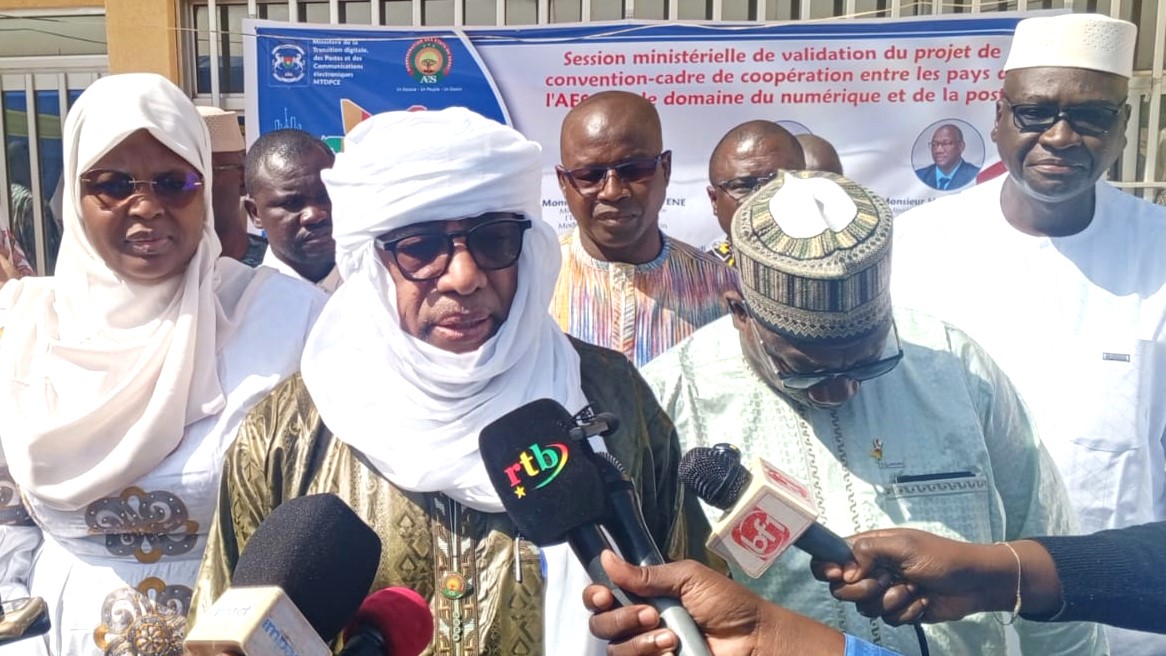
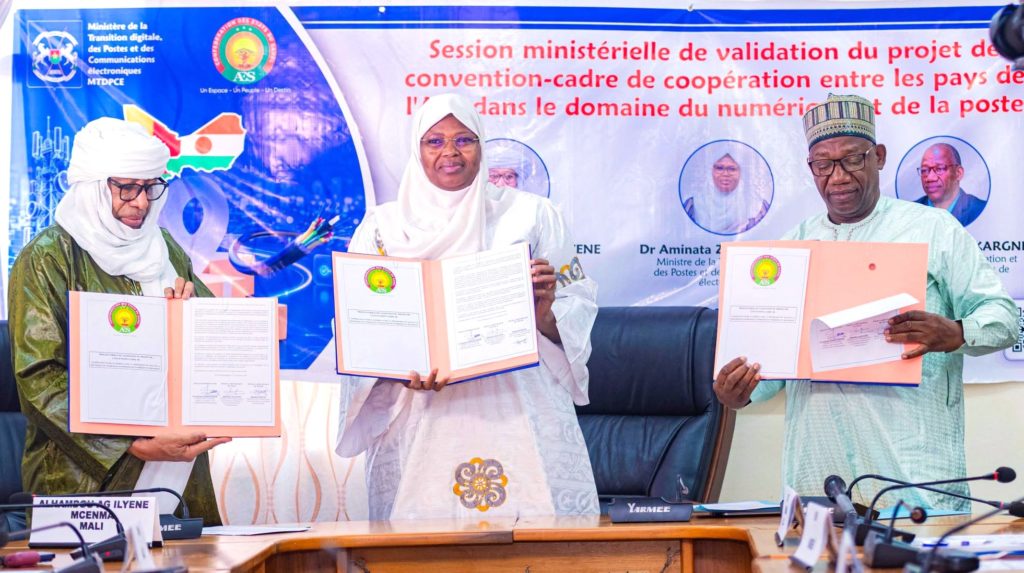
In a decisive move to dismantle the barriers that fragment West Africa’s digital and postal landscape, three Sahel nations signed a landmark cooperation framework on November 27 in Ouagadougou. The agreement, sealed by Niger, Mali and Burkina Faso, targets immediate, tangible impacts on citizens’ daily lives and on the operational environment of businesses across the region. By merging digital infrastructures and pooling postal services, the three countries aim to eliminate bureaucratic delays, slash transaction costs and create a seamless flow of goods and information that will ripple through local economies.
Unified digital platforms to erase borders and bottlenecks
At the heart of the convention lies the promise of borderless connectivity. Alhamdou Ag Ilyene, Mali’s minister of Digital Economy and Administrative Modernisation, outlined the ambition in clear terms: governments will connect their national digital and postal platforms into a single, interoperable network. “Complete digitisation and shared postal capacity mean the end of national frontiers in our digital space. Our three postal systems will operate as one, governed by the principles of the Alliance of Sahel States, so users experience uninterrupted, secure services regardless of where they are,” he explained.
What does this look like in practice? Businesses exporting agricultural produce from Niamey to Bamako will no longer face delays at customs checkpoints. A farmer in Ouagadougou can receive instant payment confirmations via a unified e-payment gateway. Students applying to universities in any of the three countries will submit documents through a single online portal, cutting weeks from the admissions process. These are not distant promises; the convention sets out the legal scaffolding to make them routine within months.
Economic dividends: cheaper, faster, safer transactions
For small and medium-sized enterprises (SMEs), the most immediate benefit is financial. The pooling of postal resources and digital identification systems will reduce overheads on freight tracking, identity verification and customs clearance by up to 40%, according to internal projections shared by the Burkinabè delegation. A textile manufacturer in Bamako, for instance, currently spends nearly 12% of its revenue on logistics alone. By integrating digital customs declarations and shared warehouse networks, that burden could drop to below 7%, freeing capital for expansion and job creation.
For rural communities, the gains are even more vital. Postal agencies in remote areas of Niger and Mali—once isolated and underfunded—will become nodes in a continental digital mesh. Residents will gain access to government services such as birth registrations, pension payouts and agricultural subsidies without travelling to district capitals, cutting transport costs and saving hours of productive time each month.
From vision to execution: the Ouagadougou action plan
Aminata Zerbo/Sabané, Burkina Faso’s minister for Digital Transition, Post and Electronic Communications, confirmed that ministers had already drafted an action plan with clear milestones. “We have not merely signed another memorandum; we have charted a path to deliver real outcomes for our people,” she stated. The plan includes the creation of a joint task force that will begin testing integrated postal tracking in January 2027, followed by the roll-out of a cross-border digital identity system by mid-2027.
The ministers stressed that implementation would be agile, with quarterly reviews to adjust timelines or reallocate resources. This iterative approach contrasts with past agreements that stalled after ceremonial signings, a lesson the three governments appear determined to avoid.
Semaine du numérique 2026: setting the stage for sovereignty
The timing of the agreement was no coincidence. It was announced on the final day of the 21st edition of the Semaine du numérique in Ouagadougou, a gathering that drew tech entrepreneurs, government officials and development partners. Under the theme “Technological sovereignty: accelerating secure and inclusive digital transformation,” the forum served as a real-time laboratory for the ideas now cemented in the convention. Discussions ranged from rural broadband expansion to cybersecurity standards, all of which feed directly into the operational roadmap of the new framework.
The ministers seized the occasion to underline that technological sovereignty was not an abstract goal but a concrete strategy to shield the region’s economies from external shocks. By building their own digital and postal ecosystems, the three countries reduce reliance on foreign logistics providers and payment processors, thereby insulating their financial flows from geopolitical volatility.
What’s next for citizens and businesses
With the convention now ratified, the focus shifts to delivery. Citizens can expect pilot programmes in early 2027 that connect postal outlets via a shared tracking API. Entrepreneurs will gradually see streamlined customs procedures and single-window business registrations. Digital literacy campaigns are also on the agenda, ensuring that rural populations—often the last to benefit from new technologies—are not left behind.
The three governments have pledged to publish quarterly progress reports, inviting public scrutiny and encouraging accountability. If the plan holds, the Alliance of Sahel States could soon serve as a model for regional integration that delivers measurable prosperity rather than empty pledges.