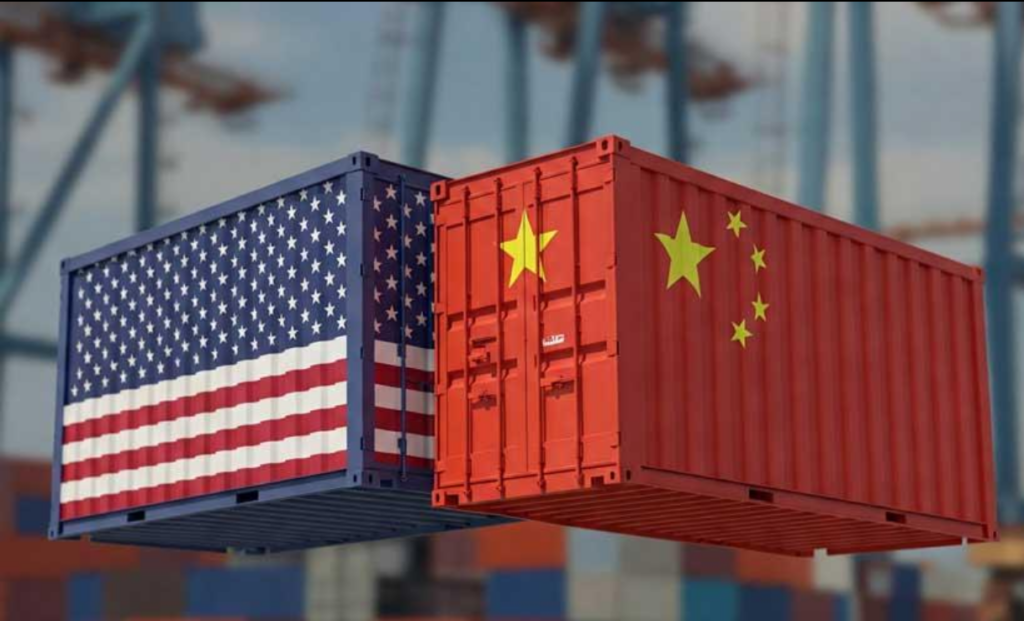
The United States is set to impose sweeping new tariffs on 14 major trading partners, ranging from China to key European and Asian economies. This aggressive trade strategy, pushed by the White House, could have far-reaching consequences for businesses, consumers, and international supply chains across the globe.
An unprecedented trade crackdown targeting 14 economies
The Biden administration—continuing a policy framework initiated under Donald Trump—has announced plans to levy substantial tariffs on imports from nations accused of flooding the US market with underpriced goods. The list includes economic heavyweights such as:
- China – facing potential tariffs up to 20%
- European Union – including Germany, France, and Italy
- Japan and South Korea in Asia
- India, Vietnam, Thailand, Malaysia, Indonesia, Singapore, Cambodia, and Bangladesh
- Taiwan and Switzerland
Officials argue that these nations have either maintained oversupply in key industries or engaged in unfair trade practices, undercutting American manufacturers and skewing trade balances.
China in the crosshairs with 20% tariff threat
China, Washington’s primary target, could face the steepest increases—duties of up to 20% on select industrial and consumer goods. The move aims to curb the flood of Chinese exports that US officials claim are priced below fair market value, damaging domestic firms in sectors such as steel, electronics, and textiles.
Critics warn that such aggressive measures could backfire. Chinese exporters may raise prices, passing costs to American retailers and, ultimately, consumers. With inflation still a concern in the United States, higher import prices could further squeeze household budgets already strained by rising living costs.
Wider Asian and European economies brace for impact
The tariff net extends beyond China, ensnaring regional economic engines in Southeast Asia like Vietnam and Malaysia, which have become critical nodes in global manufacturing supply chains. South Korea and Taiwan, leaders in semiconductor and automotive parts, are also on high alert as their exports to the US face new barriers.
European manufacturers—especially in Germany, France, and Italy—could see retaliatory measures if Washington proceeds. The European Union has already signaled that it may respond with its own tariffs, risking a spiral of protectionist measures that could disrupt trade flows across the Atlantic.
Ripple effects on global supply chains and inflation
The proposed tariffs could disrupt long-established supply chains that rely on components manufactured in multiple countries. Industries like electronics, automotive, and apparel—where parts often cross borders several times before final assembly—are particularly vulnerable.
As production costs rise in the US, companies may shift supply chains to non-tariffed regions, triggering a costly realignment of global trade routes. Meanwhile, businesses that export to the US could see shrinking margins, prompting layoffs or reduced investment in innovation.
Next steps: public hearings and economic fallout
Following a public consultation period ending January 5, 2027, the administration will hold hearings starting January 25, 2027 to finalize the tariff rates. While intended to revive domestic industries, the policy risks creating a domino effect—higher prices, trade retaliation, and long-term erosion of global trade cooperation.
For now, businesses and consumers worldwide are left to prepare for the fallout of what could become one of the most significant trade policy shifts in decades.