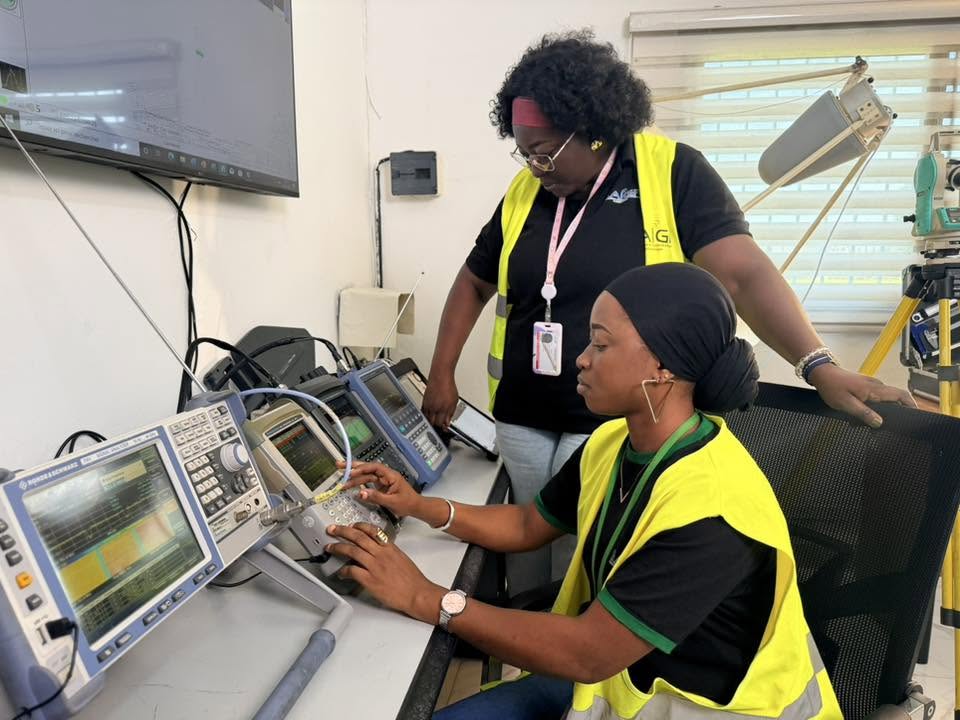
Why Côte d’Ivoire’s radio spectrum strategy is under scrutiny
The question looms over Abidjan’s corridors of power: are the nation’s radio frequency allocations stifling innovation or securing its digital horizon? This critical inquiry drives Côte d’Ivoire’s first major public forum on radio spectrum management, set for Tuesday, September 29, 2026, at 3:00 PM GMT.
Hosted by the Government Information and Communication Center (CICG), the live-streamed event titled “Spectrum Strategy: Balancing Access and Security in Côte d’Ivoire” will convene at the Integrated Urban Land Management System (SIGFU) headquarters in Plateau-Adjamé, Abidjan.
What the public needs to know before the broadcast
Radio frequencies are the invisible highways of modern communication—supporting mobile networks, broadcast media, emergency services, and emerging technologies. Yet few Ivorians understand how these vital resources are allocated or regulated.
The upcoming session, part of the ongoing “Everything You Need to Know” (TSS) series, will shed light on:
- Allocation rules: How the AIGF decides who gets which frequency band
- Interference prevention: The cutting-edge monitoring systems tracking illegal signals and signal overlap
- Audit findings: A data-driven review of past spectrum use and bottlenecks
- Future outlook: Planned reforms to modernize frequency licensing and expand digital access
Participants can ask real-time questions through social media channels including Facebook, X (formerly Twitter), and YouTube, where the forum will be broadcast live.
Who will lead the conversation—and why it matters
Heading the discussion is Mr. Aliou Bamba, Director of National Frequency Management at the Ivorian Agency for Frequency Management (AIGF). With over 15 years in telecom regulation, he oversees the nation’s 300+ MHz of allocated spectrum—a resource increasingly strained by demand from telecom operators, broadcasters, and IoT networks.
“Every unused megahertz represents a missed opportunity for economic growth,” Bamba noted. “But without proper oversight, spectrum chaos can disrupt everything from mobile banking to disaster response.”
How the AIGF is transforming spectrum governance
The agency’s recent reforms include:
- Digital monitoring towers: Deployed across 12 regions to detect unauthorized broadcasts and signal interference in real time
- Blockchain-based licensing: Piloted in Abidjan to reduce fraud in frequency assignment
- Public consultation portal: A new online platform for citizens to report issues and request spectrum access
During the forum, Bamba will present early results from these initiatives, including a 12% reduction in illegal signal interference in 2026 and a 28% faster licensing process for rural internet providers.
What’s at stake for businesses and everyday users
For mobile operators, spectrum bottlenecks delay 5G rollouts and inflate costs. For local radio stations, weak signal allocation can mean the difference between reaching 10,000 listeners or 100,000. And for farmers using IoT soil sensors, reliable spectrum access supports precision agriculture.
The forum will address:
• How small businesses can secure affordable frequency licenses
• Steps being taken to expand coverage in northern and western regions
• The role of international agreements in harmonizing Côte d’Ivoire’s spectrum strategy
How to participate in the live discussion
The public is invited to join the conversation on Tuesday, September 29, 2026, at 3:00 PM GMT via:
- Facebook: @GouvCI
- X (Twitter): @GouvCI
- YouTube: /GouvCI
Live captions and sign language interpretation will be available. Follow-up reports will be published the next day, summarizing key takeaways and next steps.
A new era for Côte d’Ivoire’s digital infrastructure
As the country races toward full digital transformation by 2030, the stakes could not be higher. Will the upcoming reforms unlock new opportunities—or leave gaps that threaten stability and growth?
The answers will unfold this Tuesday, not just in boardrooms, but in living rooms across Côte d’Ivoire.
More Stories
Can Burkina Faso’s claimed 300 armored vehicles withstand scrutiny? Faso Armored and the stakes of a manufactured industrial narrative
Can Benin’s AEO-certified firms truly break into the Chinese market without friction?
Can Niamey’s promises reach northern Niger, where darkness and thirst persist?