
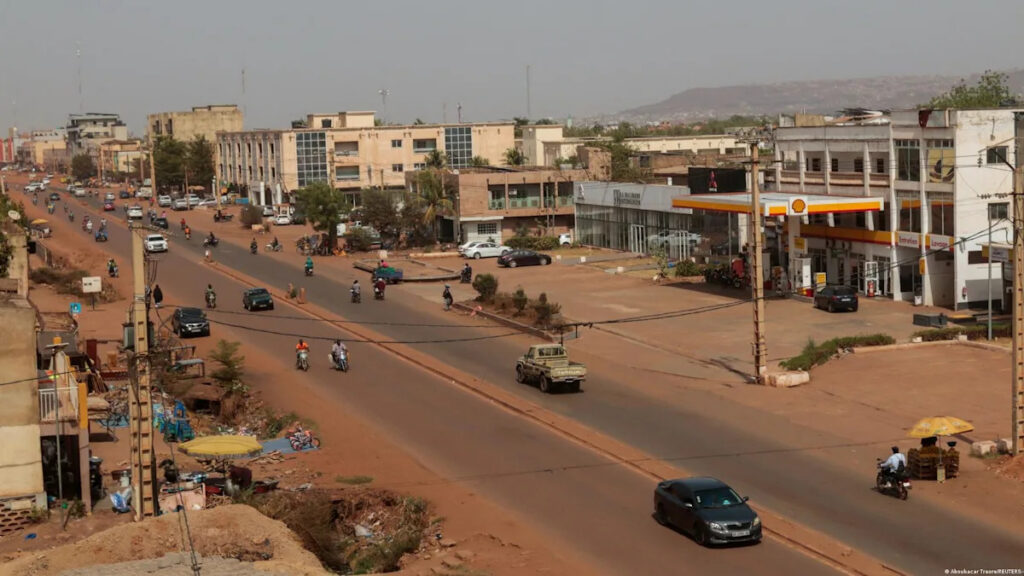
Human rights watch urges end to blockade of Bamako by armed groups
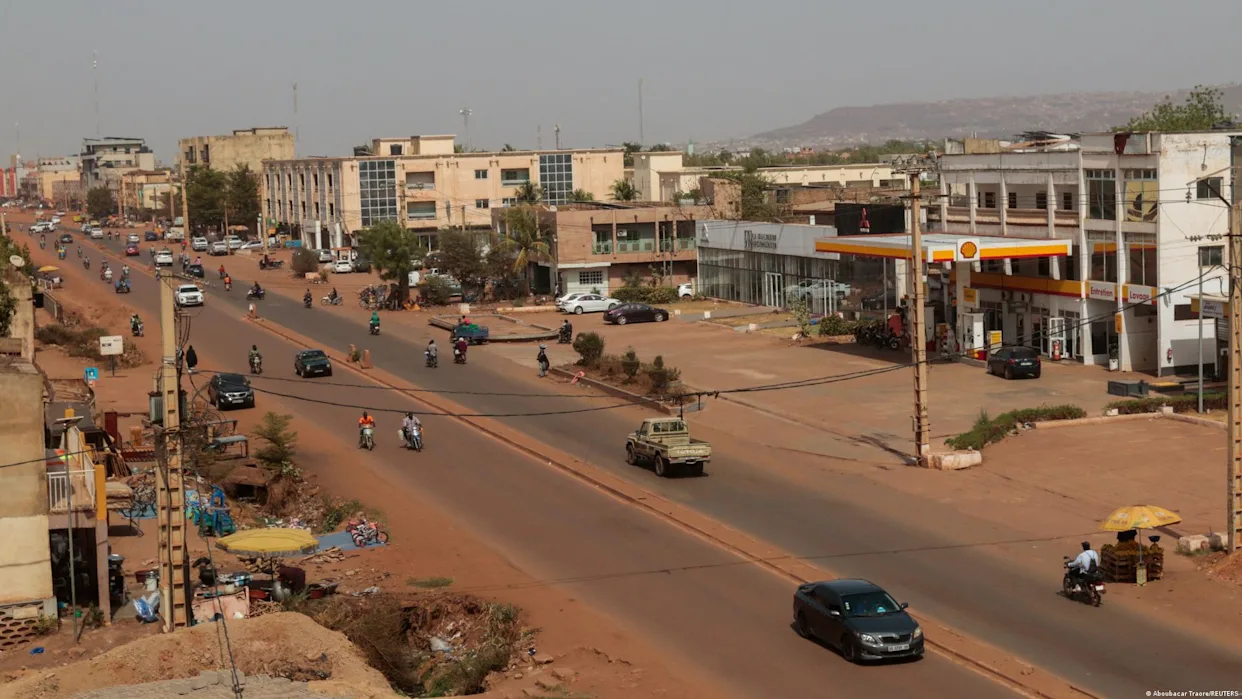
International human rights organization Amnesty has urgently called for an immediate end to the blockade imposed on Bamako by jihadist factions, warning of severe consequences for civilian populations. Since late April, armed groups have systematically disrupted key supply routes into the capital, trapping residents in a worsening humanitarian crisis.
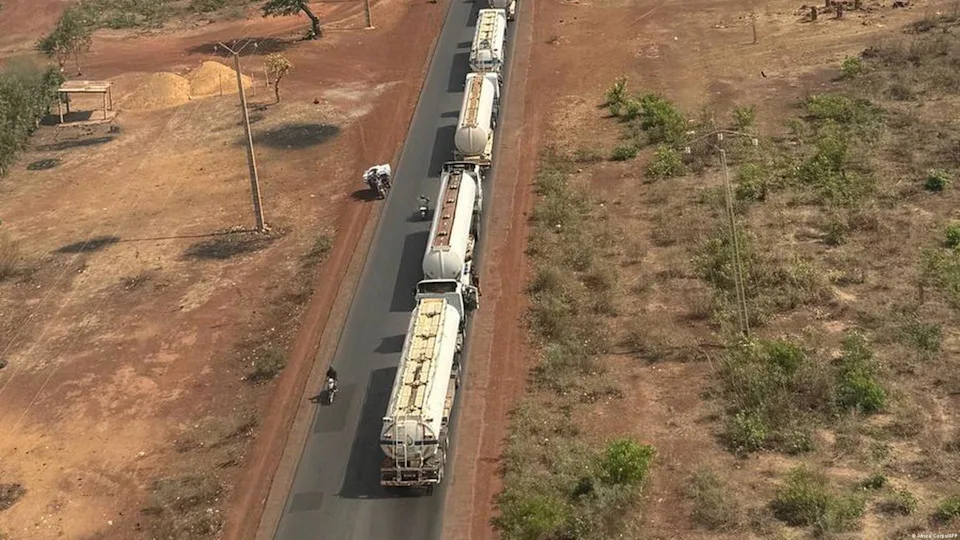
In a strongly worded statement, Amnesty condemned the deliberate targeting of civilian goods convoys, including a recent attack on May 6 against a truck carrying fruits between Bamako and Bougouni. “No military personnel or equipment were present on these vehicles, yet they were deliberately obstructed,” the organization highlighted. The blockade has already forced over a dozen transport companies to suspend operations to and from the capital.
Escalating military response in northern Mali
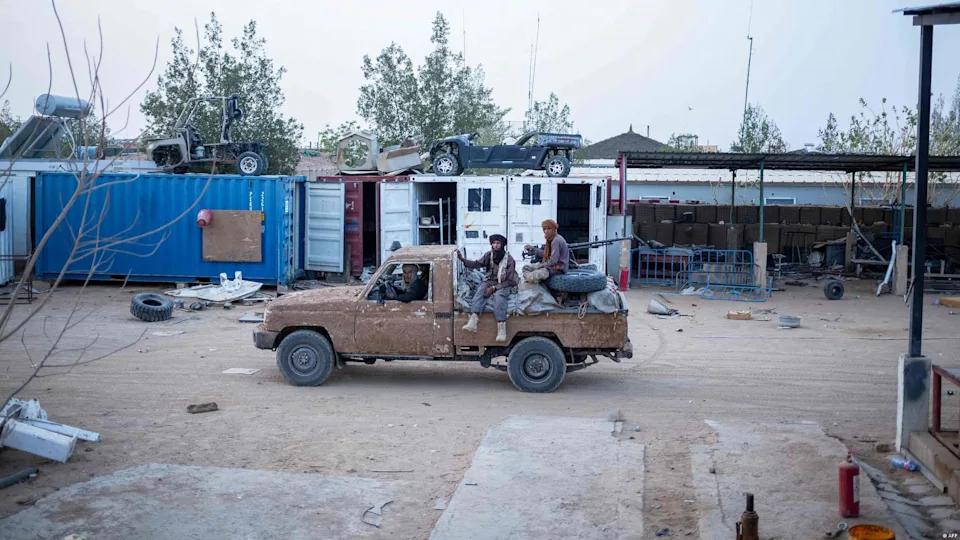
Meanwhile, Malian armed forces have intensified aerial and ground operations in Kidal, a city under control of the Tuareg rebel alliance and their jihadist allies since late April. Military officials confirmed multiple strikes on Kidal, while separatist forces claim to hold 200 Malian soldiers captive following clashes on April 25.
Residents report severe disruptions, including widespread blackouts and interrupted telecommunications in Kidal and surrounding northern regions. Trust among civilians is eroding, with conflicting narratives complicating access to reliable information.
In Gao, another northern city under government control, residents describe rising food prices—“the price of onions has doubled”—and increasing pressure to heed official government statements.
Regional jihadist expansion and humanitarian fallout
Security analysts warn of a deliberate strategy by jihadist factions to isolate northern and central Mali from the rest of the country. “This isn’t just an insurgency—it’s a calculated effort to sever regional ties and escalate urban control,” noted political analyst Hervé Lankoandé Wendyam.
The crisis has already shuttered over 2,300 schools across Mali, with the north and central regions bearing the brunt. Villages under jihadist influence face enforced zakat taxation, and many communities lack access to education or public services.
Researcher Abdoulaye Sounaye observes that both military and insurgent forces are in a phase of “reorganization and rearmament”, with civilians caught in the crossfire. “A comprehensive dialogue involving all stakeholders is the only sustainable path forward,” he emphasized.
The road to dialogue remains blocked
Despite calls for negotiation, Mali’s government continues to reject talks with the FLA (Front for the Liberation of Azawad) and JNIM, branding them as terrorist organizations. However, confidential negotiations were reportedly conducted to secure fuel supplies, illustrating the complex reality on the ground.
Political scientist Ahmed Ould Abdallah stresses the urgency of a national dialogue: “The Malian government must open channels with all social and political groups to address the root causes of this crisis. Without inclusivity, the conflict will persist.”
Experts predict that ongoing tensions will eventually force all parties to the negotiating table, but the path to lasting peace remains uncertain as violence continues to destabilize the region.



More Stories
Niger: Tiani faces fallout from special forces anger after Russian intervention
Mali : 17 morts dans les rangs des dozos, le JNIM accentue sa pression
Sahel : le pari des juntes tourne-t-il à l’échec sécuritaire ?