
Amnesty International demands unrestricted movement in Mali amid jihadist blockade
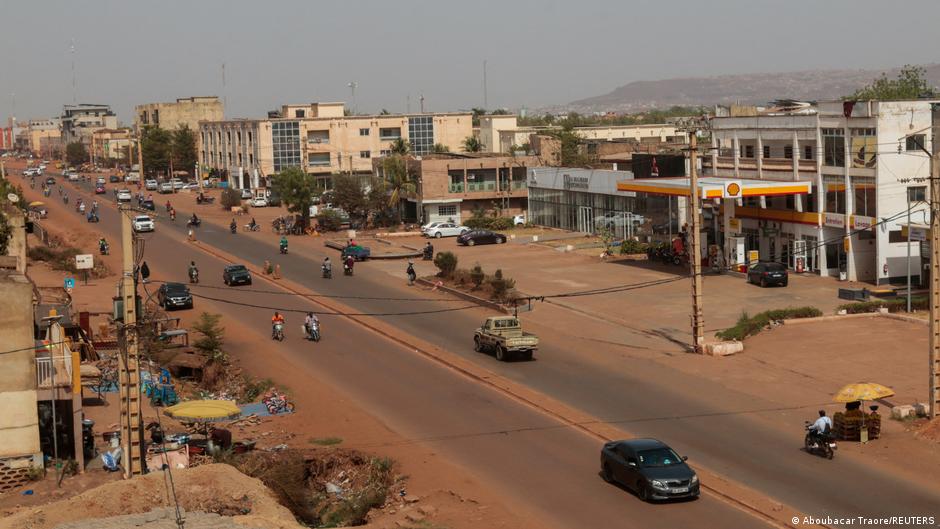
In a stern warning issued Friday, Amnesty International urged the Jama’at Nusrat al-Islam wal Muslimin (JNIM) to immediately cease disrupting civilian movement and end the ongoing blockade strangling Bamako. The capital, heavily dependent on road imports, has faced severe shortages since April 30, when armed groups began seizing key transportation arteries.
“The current blockade has inflicted unacceptable hardships on civilians, threatening their fundamental rights to food security, healthcare and personal safety,” the human rights organization stated. It specifically condemned an attack on May 6 against a civilian goods convoy—including fruit shipments—between Bamako and Bougouni. According to Amnesty, the trucks carried no military personnel or equipment and were unescorted by Malian security forces.
Military escalates strikes in northern strongholds
The Malian Armed Forces confirmed intensified aerial operations targeting Kidal, now under the control of tuareg rebels from the Azara Liberation Front (FLA) and their JNIM allies since late April. Military sources reported multiple strikes on the city, while separatist leaders claim to hold over 200 Malian soldiers captured during April 25 offensives.
Local residents describe worsening conditions in Kidal: “Power cuts are constant, and phone lines are nearly cut off, making communication nearly impossible with other northern towns.” The uncertainty has left civilians deeply confused about whom to trust in the escalating conflict.
Crisis spreads to central Mali and beyond
Inhabitants of Gao—currently under government control—report skyrocketing food prices, with onions doubling in cost. Distrust permeates daily life, even in areas still held by state forces, as residents are urged to rely solely on official government statements.
Analysts warn of a dangerous fragmentation trend. Hervé Lankoandé Wendyam, an independent West Africa security expert, notes: “There’s a clear intention to sever the North from the rest of Mali. Meanwhile, in central regions, JNIM appears determined to escalate hostilities by capturing urban centers.”
Jihadists tighten grip on central regions
Multiple districts in central Mali—particularly along the left bank of the Niger River in Ségou and parts of Koulikoro—remain under jihadist control. In these zones, state administration has completely vanished. Militants impose religious taxes (zakat) on villagers and have forced the closure of hundreds of schools. As of late January, over 2,300 schools across Mali were shut, with northern and central regions bearing the brunt of the closures.
Security analysts suggest all parties—including the Malian military—are currently in a phase of strategic reevaluation and rearmament. Abdoulaye Sounaye, a Sahel jihadism specialist, observes: “It feels like the government is preparing for decisive action, while JNIM and FLA are also bracing for potential military escalation. At the heart of this crisis are ordinary Malians who will suffer the consequences of renewed violence.”
Path forward: inclusive dialogue or prolonged conflict?
Experts emphasize that resolving Mali’s deepening security crisis requires immediate, comprehensive dialogue involving all stakeholders. Ahmed Ould Abdallah of the 4S Center stresses: “The crisis has engulfed every social group. The Malian government must convene national leaders across the political spectrum to negotiate a sustainable settlement. A political solution is the only way forward—if the current administration commits to openness and dialogue with all components of Malian society.”
Abdoulaye Sounaye adds: “While the government officially rejects negotiations with groups labeled as terrorists, past fuel supply negotiations with JNIM prove that dialogue is possible—and sometimes necessary. Sooner or later, all parties will have to come to the table to avoid endless conflict.”
More Stories
Jiahdist attacks disrupt civilian movement in Mali
Ousmane Sonko denies emergency meeting rumors amid Pastef tensions
Pastef leader Ousmane Sonko convenes emergency political meeting in Dakar