
File generated on
Since mid-April, Burkina Faso’s transitional authorities have taken stringent measures against civil society organizations, suspending 811 associations for alleged failure to renew their leadership structures and dissolving 118 others. The move, justified under existing legal provisions, aims to tighten oversight in the fight against terrorism financing and money laundering.
The suspended organizations—effective as of May 12, 2026—operate across critical sectors including health, education, women’s empowerment, gender equality, and religious affairs. According to the ministerial decree, only actions aimed at regularizing their status are permitted during the suspension period.
New regulations spark concerns over civil society crackdown
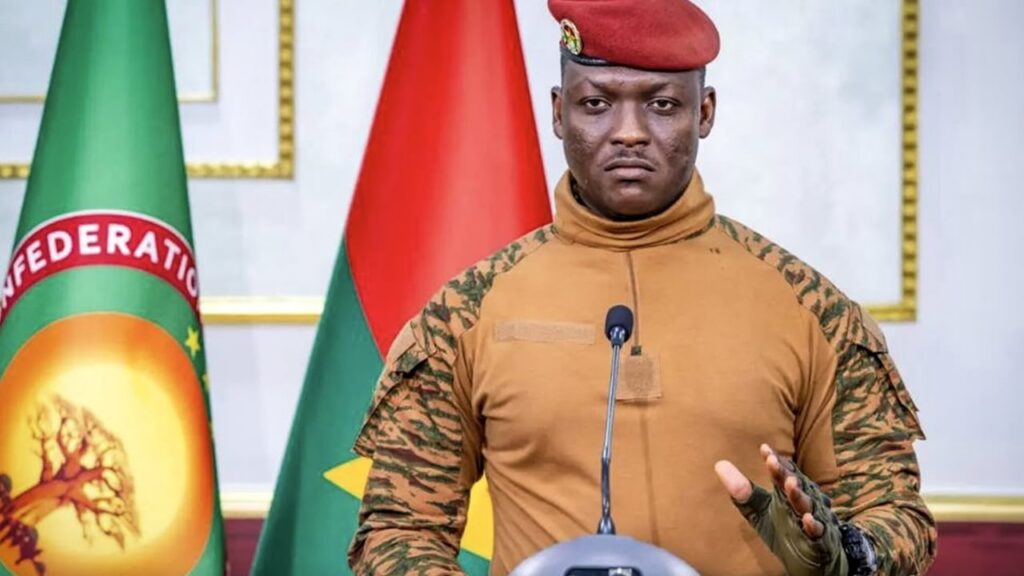
In July 2025, Captain Ibrahim Traoré’s administration enacted a law regulating associations, NGOs, and unions. While reaffirming the right to association, the legislation imposes strict compliance requirements, including mandatory declarations, administrative controls, and legal conformity. Non-compliance can result in dissolution.
Government officials defend these measures as essential for enhancing transparency, mapping civil society organizations, and combating illicit financial flows linked to terrorism. However, critics argue the law provides a legal framework for suppressing dissent.
International NGOs and associations reliant on foreign funding are frequently accused by authorities of espionage or collusion with jihadist groups. In late April, Human Rights Watch condemned the legislation, warning it enables the junta to “intensify its widespread repression of civil society.”
Broader implications for Burkina Faso’s civic space
The suspension of associations reflects a broader trend of tightening restrictions under the transitional government. Activists and analysts express concerns that these measures could stifle advocacy, humanitarian work, and grassroots initiatives critical to addressing the country’s security and socio-economic challenges.
As Burkina Faso grapples with escalating insecurity and political transitions, the fate of civil society organizations remains a contentious issue, with implications for both local communities and international partners.