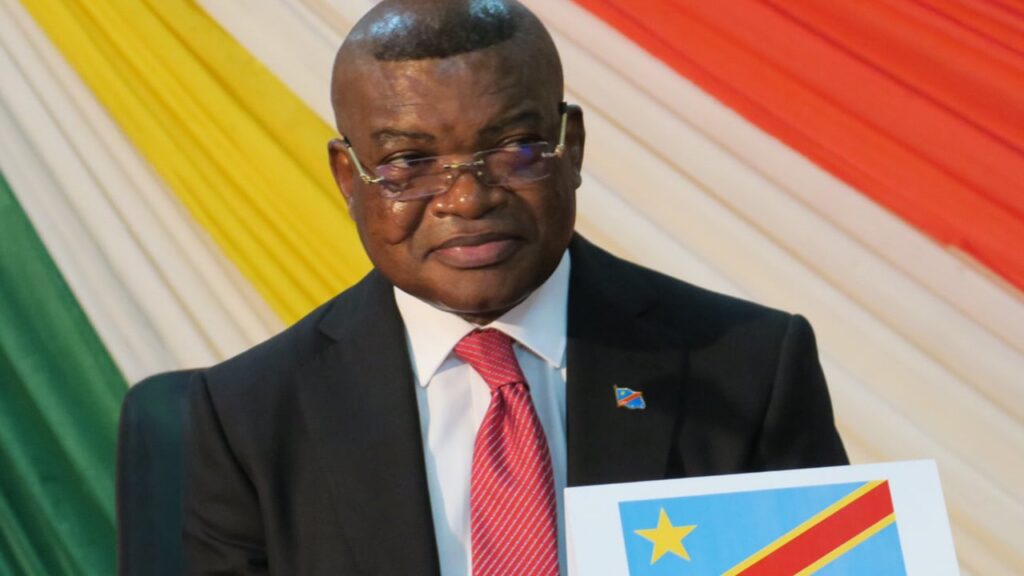
The death of Kalev Mutond, once the powerful head of DR Congo’s intelligence services, has ignited a wave of reactions across the country. The news, confirmed earlier today, has sparked discussions about his controversial tenure and the future of the nation’s security apparatus. As tributes and criticisms pour in, many are left wondering what this means for the country’s political landscape.
Who was Kalev Mutond?
Kalev Mutond served as the administrator-general of the National Intelligence Agency (ANR) under former President Joseph Kabila. His time in office was marked by both fierce loyalty to the regime and allegations of human rights abuses. Mutond was a key figure in the security apparatus, often seen as a gatekeeper of sensitive information and a strategist in the political arena.
A polarizing figure
While some remember him as a dedicated public servant, others recall a darker side. Mutond faced accusations of orchestrating crackdowns on dissent and stifling opposition voices. His methods were often criticized by international observers, yet he remained a trusted ally of Kabila until his removal in 2019.
Reactions from across the spectrum
The announcement of his death has elicited mixed responses. Supporters of the former regime have expressed sorrow, praising his contributions to national security. Conversely, human rights advocates and political opponents have highlighted the need for accountability, pointing to unresolved cases of repression.
Public debate intensifies
Social media and public forums have become arenas for heated debate. Some call for a reevaluation of the role of intelligence services in a democratic society, while others demand justice for past wrongs. The conversation reflects broader tensions within Congolese society about the legacy of the Kabila era.
What lies ahead for Congo’s intelligence services?
Mutond’s passing raises questions about the current state of the ANR and its direction under President Félix Tshisekedi. The agency has undergone reforms aimed at increasing transparency and professionalism. However, challenges remain, including lingering mistrust and the need to address past abuses.
Implications for national security
Experts suggest that this moment could be an opportunity to further depoliticize the intelligence apparatus. Yet, without a clear reckoning of past actions, the risk of repeating mistakes persists. The government faces pressure to ensure that the ANR serves the interests of all citizens, not just those in power.
The legacy and the road ahead
As DR Congo continues its journey toward stability and democratic consolidation, the death of Kalev Mutond serves as a reminder of the complex interplay between security, power, and accountability. The coming weeks will likely see continued discussions about how to move forward, balancing the need for security with respect for human rights.
Ultimately, the reactions to Mutond’s death underscore a nation still grappling with its past, even as it strives for a more open and just future.