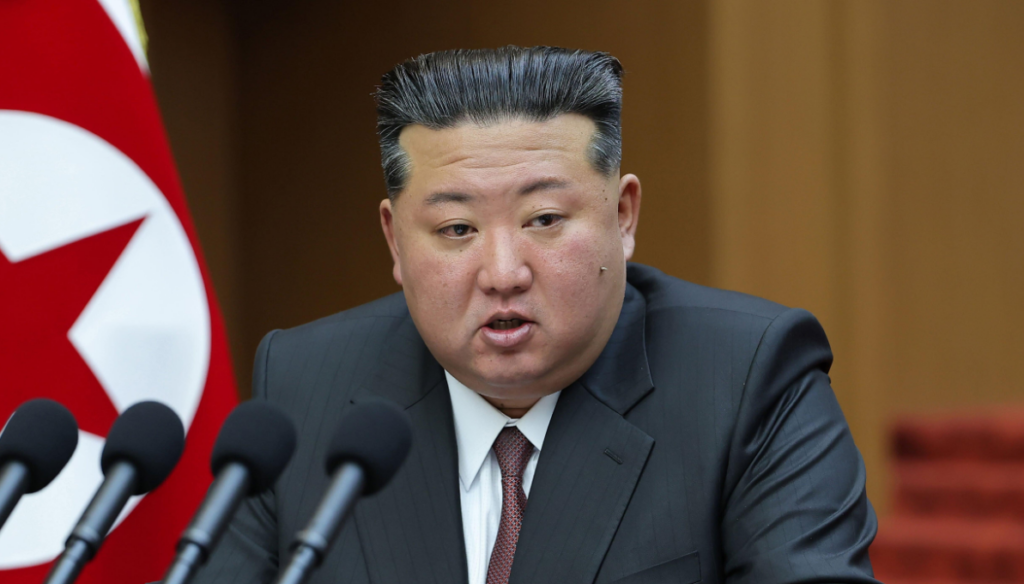
Unverified reports of North Korean leader Kim Jong-un suffering a severe cerebral hemorrhage and falling into a coma have sent shockwaves through global markets and regional governments. While these claims remain unconfirmed by official sources, their rapid spread across social media and international media outlets has intensified speculation about the potential fallout for Pyongyang’s already fragile regime.
From social media rumors to global concerns
The latest wave of speculation began circulating on social platforms, with unverified claims suggesting Kim Jong-un was rushed to Beijing’s Peking Union Medical College Hospital for emergency treatment. According to these reports, the North Korean leader suffered a life-threatening stroke, prompting his evacuation from Pyongyang due to the country’s allegedly inadequate medical infrastructure. However, no independent verification or official confirmation has been provided to substantiate these allegations.
The speed at which these claims gained traction highlights the volatility of information when it involves one of the world’s most secretive leaders. While some international outlets have echoed these reports, their repetition does not equate to factual validation. The absence of transparency from North Korean authorities has only deepened the uncertainty surrounding Kim Jong-un’s condition.
Official silence fuels speculation about power dynamics
North Korea’s opaque governance structure means any absence or uncharacteristic behavior by its supreme leader immediately triggers speculation. Historically, prolonged silences or unexplained disappearances have preceded leadership transitions, raising questions about stability in Pyongyang. Yet, without concrete evidence, such assumptions remain speculative.
In a rare move, state media released images on October 20, purportedly showing Kim Jong-un visiting an exhibition in Pyongyang alongside his daughter, Ju-ae. While this suggests he may still be active, the authenticity and timing of these images have not been independently verified. They do, however, cast doubt on claims of a prolonged coma or complete incapacitation.
Health concerns and historical precedents
Kim Jong-un’s health has been a recurring topic of international scrutiny since he assumed power in 2011. Observers have long speculated about his physical condition, citing his weight fluctuations, visible limps during public appearances, and other indicators as potential signs of underlying health issues. South Korean intelligence agencies have previously flagged concerns about his cardiovascular risks, though these assessments do not confirm the current rumors.
The shadow of his father, Kim Jong-il’s death in 2011, and his grandfather Kim Il-sung’s passing in 1994, looms over any discussion of leadership succession. These historical precedents underscore the high stakes of any potential power vacuum in North Korea.
Potential consequences for North Korea’s future
Should Kim Jong-un be unable to perform his duties, North Korea could face a period of unprecedented instability. The regime’s power structure relies heavily on a tightly controlled inner circle, with key figures like his sister, Kim Yo-jong, and daughter, Ju-ae, increasingly visible in official events. These dynamics fuel speculation about a possible succession plan, though no clear successor has been identified.
The implications extend far beyond Pyongyang’s borders. Regional powers, including South Korea, China, the United States, and Japan, would closely monitor any developments, given the critical importance of North Korea’s nuclear program and its broader geopolitical impact. A leadership transition—or even prolonged uncertainty—could trigger shifts in regional alliances, economic policies, and security strategies.
For now, the focus remains on verifying the accuracy of these claims. Until credible evidence emerges, the international community must treat these reports as unconfirmed rumors rather than established facts.