Mali faces surge in displaced persons amid renewed northern violence
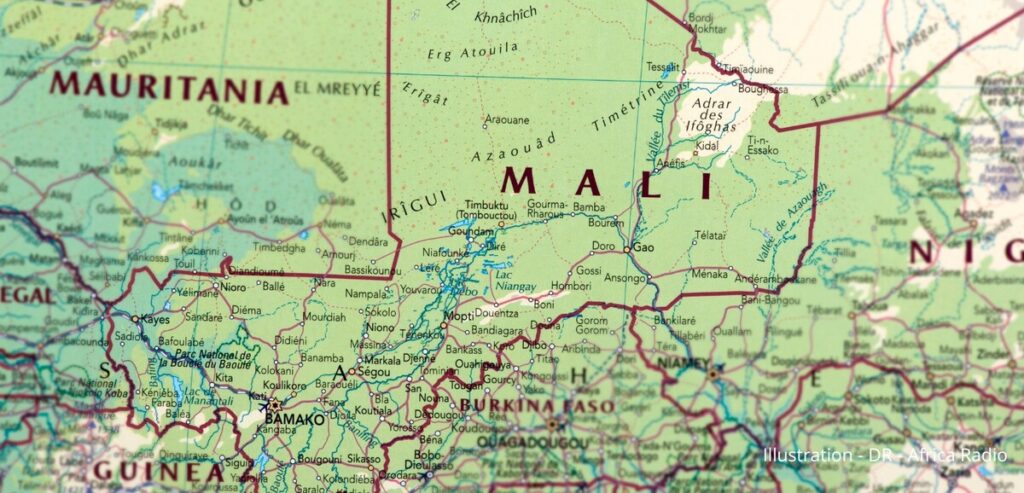
Since late April, escalating clashes and airstrikes in Mali’s northern and central regions have forced nearly 40,000 people to flee their homes. The cities of Gao and Ménaka are now sheltering a growing number of internally displaced families.
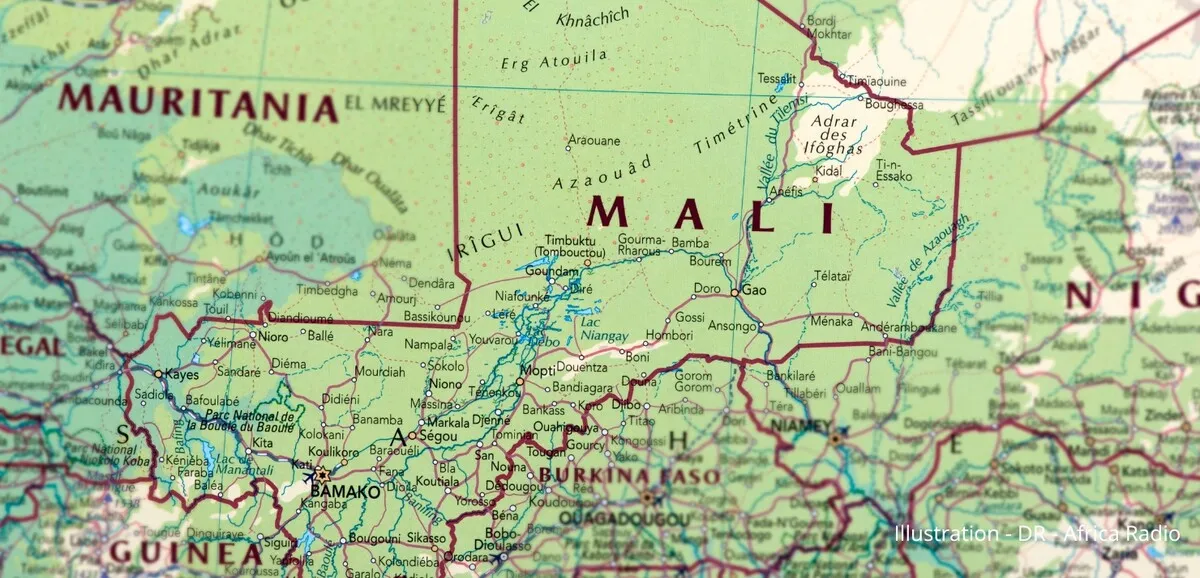
Renewed violence in Mali has triggered a sharp rise in displacement, with nearly 40,000 people forced to leave their homes since late April. Local officials and humanitarian workers report that Gao and Ménaka are now hosting thousands of displaced families, including over 15,000 who have sought refuge in these two cities alone. In Gao, a municipal representative confirms that more than 7,000 new arrivals have arrived in just three months—a figure described as unprecedented in years.
The surge in displacement follows a sharp escalation in fighting across northern and central Mali. A coalition of jihadist groups, led by the Group for the Support of Islam and Muslims (JNIM), joined forces with the independence-seeking Azawad Liberation Front (FLA) to launch a major offensive. The key city of Kidal fell under their control, and clashes soon intensified around critical areas such as Anéfis. For civilians caught in the crossfire, the resurgence of violence has meant repeated displacements, abandoned villages, and increasingly limited access to essential services.
Kidal: the epicenter of the latest offensive
Since April, the security situation in Kidal has rapidly deteriorated, drawing in multiple armed factions. The coalition’s capture of the city marked a turning point, followed by intensified fighting in surrounding areas, including Tinzawatene. Reports indicate that recent airstrikes by Malian forces have damaged health centers and triggered further displacement. While the exact extent of the destruction remains unverified due to restricted access, the human cost is undeniable: more people are leaving conflict zones for cities where resources are already stretched thin.
Gao and Ménaka under strain
The sudden influx of displaced persons presents overwhelming challenges for local authorities and aid organizations. Most arrivals originate from Kidal, where conditions have worsened since April. Families require shelter, food, clean water, medical care, and support for children. This crisis compounds an already fragile humanitarian situation in northern and central Mali, where over 400,000 internally displaced persons were recorded before this latest wave. Aid workers warn the actual number may be far higher.
A decade of instability
Mali has grappled with deepening insecurity since 2012, when jihadist groups—some linked to Al-Qaeda or the Islamic State—began expanding their influence. The 2020 and 2021 military coups reframed the government’s priorities, shifting focus toward regaining control of territory and restoring stability. Yet the recent resurgence of violence has exposed the fragility of these efforts.
For residents of northern Mali, this is not the first displacement crisis they have endured. Many have been uprooted multiple times in recent years. Now, with renewed fighting, thousands more are once again taking to the roads to escape danger. For Gao and Ménaka, the immediate challenge is to provide shelter and assistance despite limited means. For those still in conflict zones, a pressing question lingers: how much longer can they remain in their homes?



More Stories
Can a €544,042 pledge from Benin redefine Africa’s HIV response?
Can Benin’s port workforce transformation hinge on a €15 million Luxembourg gamble?
Burkina Faso’s shrinking public payroll: a household burden as schools reopen