
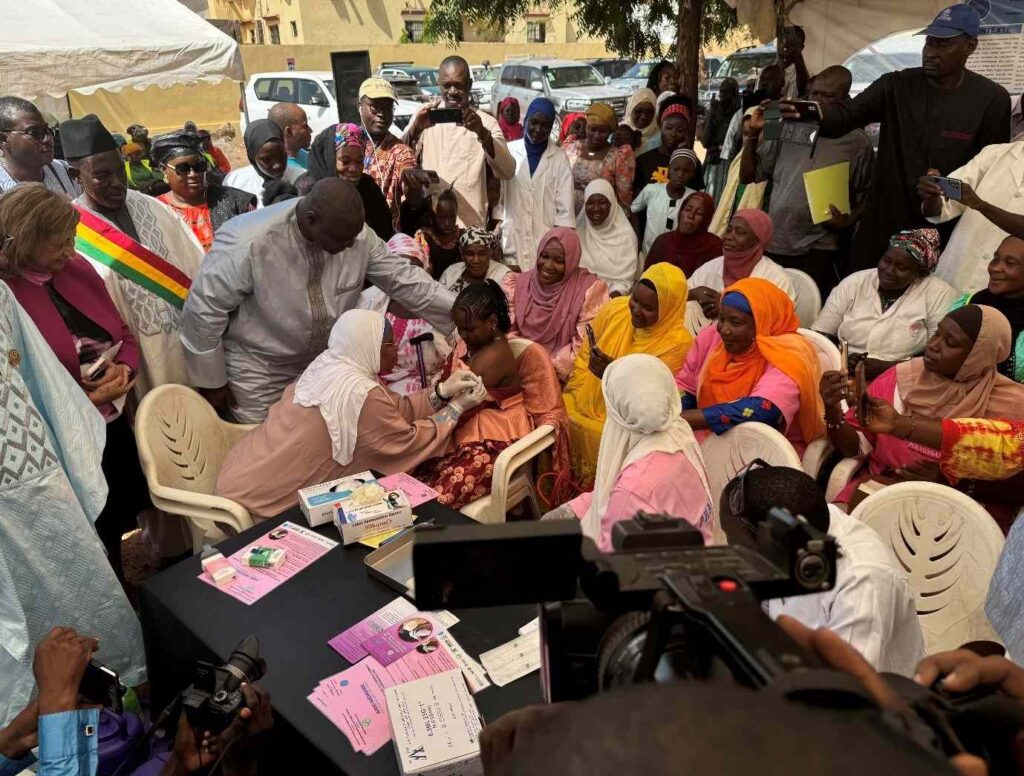
In a landmark move for public health, the government of Mali has officially incorporated the Human Papillomavirus (HPV) vaccine into its national routine immunization schedule. This initiative, launched during a high-level ceremony in Bamako, represents a significant leap forward in the fight against cervical cancer, a disease that has long devastated families across the nation.
The devastating reality of cervical cancer in Mali
For many Malian women, cervical cancer is a silent but deadly threat. Fatoumata, a 38-year-old survivor, shared her harrowing experience with late diagnosis and the financial ruin that often follows. Initially treating what she thought was a fibroid, she eventually faced a cancer diagnosis after experiencing persistent symptoms.
“The treatment was incredibly expensive,” she recalled. “I spent between 5 and 6 million FCFA, with the surgery alone costing two million.” Her story highlights the dual burden of the disease: the physical toll of late detection and the overwhelming cost of care in a country where specialized medical access is often limited.
By immunizing more than 320,000 young girls every year, Mali aims to slash cervical cancer rates by nearly 90%, potentially saving over 3,600 lives annually.
Understanding the health crisis
Cervical cancer, primarily caused by persistent HPV infections, is the second most frequent cancer among Malian women aged 15 to 44. Beyond the medical challenges, cultural stigmas often hinder prevention. In some communities, the illness is wrongly attributed to curses or spells, leading to delays in seeking professional help.
A historic breakthrough: Free HPV vaccination
The integration of the HPV vaccine into routine healthcare marks a turning point. Dr Ibrahima Diarra, who leads Mali’s National Immunization Center, explained the vaccine’s efficacy: “A single dose can offer a 10-year-old girl over a decade of protection against the viruses responsible for 70% of cervical cancers.”
Previously, this vaccine cost approximately 150,000 FCFA in private clinics. Now, through the partnership between the Malian state and Gavi, the vaccine is provided free of charge to eligible young girls.
Promoting health equity and accessibility
This program is a major step toward health justice. While 90% of global cervical cancer deaths occur in low-income countries, Mali is taking proactive steps to ensure that girls in both urban and rural areas have access to life-saving prevention. Health officials chose to target 10-year-olds to ensure the vaccine is administered before potential exposure, following World Health Organization (WHO) guidelines.
Mali stands out as a pioneer in the Sahel region, becoming the first fragile or conflict-affected nation supported by Gavi to introduce the HPV vaccine.
Confronting misinformation
Despite the vaccine’s proven safety, health authorities must contend with “fake news” and rumors. Dr Diarra emphasized that the vaccine is safe and does not affect future fertility. Minister of Health, Colonel Assa Badiallo Touré, also reinforced this message during the launch, urging families to trust the science behind the immunization.
By prioritizing prevention over expensive, often unattainable treatments, Mali is building a more equitable health system that protects its most vulnerable citizens and secures a healthier future for its women.


More Stories
Côte d’Ivoire’s coffee and cocoa sector prepares for new campaign with crucial price announcements
Ebola and conflict: a deadly combination in eastern DRC
Morocco azrou college that shaped berber elite