malnutrition in Mali: a silent crisis affecting millions
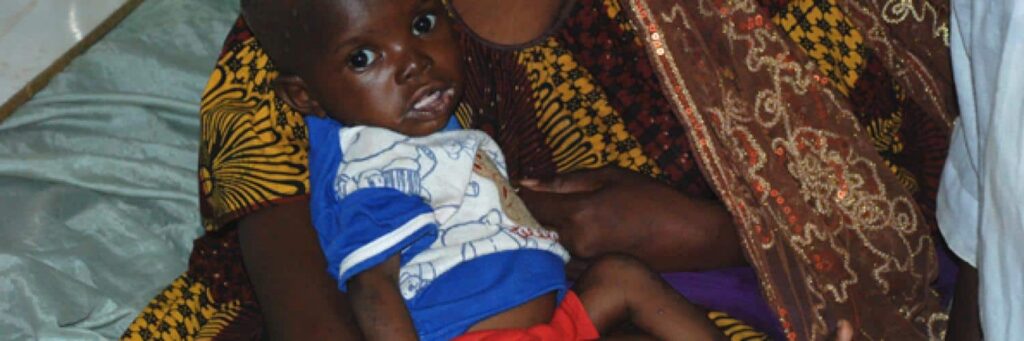
malnutrition remains a critical public health challenge in Mali, a nation of 15 million in West Africa’s Sahel region. Despite prevention efforts, pockets of severe malnutrition persist across the country, particularly affecting young children and pregnant women.
Recent years have seen Mali take decisive steps to address this crisis. With nearly one in five Malian children dying before age five—many from nutrition-related causes—the government has elevated nutrition to a national priority. The consequences of malnutrition extend far beyond immediate health impacts, affecting cognitive development, economic productivity, and social stability across generations.
Within Malian households, closely spaced pregnancies represent a major risk factor for child and maternal malnutrition. Larger family sizes correlate directly with higher malnutrition rates, as resources become stretched thinner across more dependents.
alarming malnutrition rates
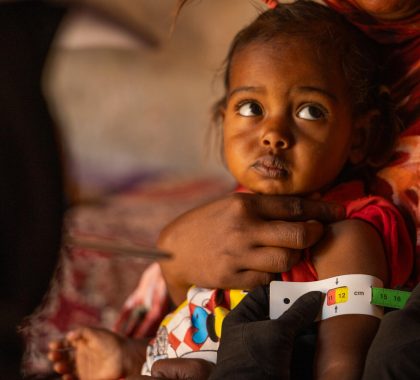
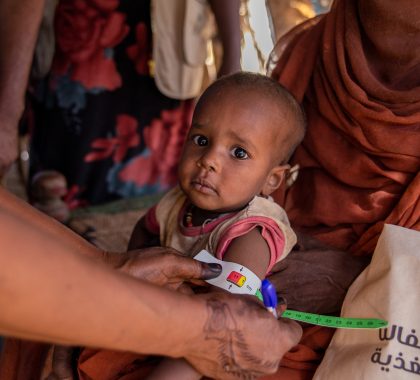
acute malnutrition now affects 15% of Mali’s population, exceeding the World Health Organization’s 10% alert threshold. Chronic malnutrition impacts 38% of children under five—nearly double the 20% international emergency benchmark. These figures place Mali among the nations facing the most severe nutritional crises globally.
iron deficiency anemia poses another major threat, with over 80% of children under five and 65% of women affected—among the highest rates worldwide. This deficiency impairs cognitive development in children and increases risks of maternal and infant mortality. Anemic mothers are significantly more likely to give birth to malnourished babies, creating an intergenerational cycle of poor health.
With 40% of Mali’s population suffering from some form of malnutrition, this crisis demands urgent, coordinated action from government agencies, international organizations, and local communities.
strategies to combat malnutrition
Mali has implemented a comprehensive nutrition policy backed by targeted action plans to secure funding and improve treatment access. Recent breakthroughs include the adoption of universal salt iodization, now reaching 79% of households—though still below the 90% target.
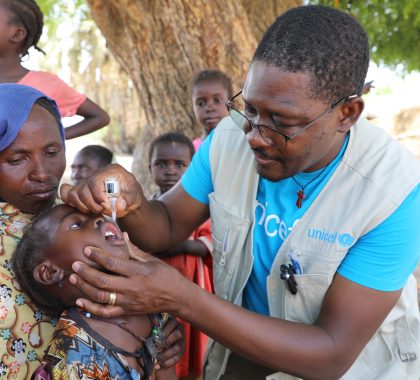
Since 2005, the country has conducted twice-annual intensified nutrition weeks (SIAN), covering 95% of the territory. These campaigns focus on children aged 6-59 months, distributing vitamin A supplements and deworming tablets proven to reduce child mortality rates significantly.
The SIAN program has become a cornerstone of community-based nutrition efforts, training local volunteers to identify early signs of malnutrition, conduct screenings, and provide immediate interventions. “Integrating malnutrition screening into routine health services has transformed our ability to reach vulnerable populations,” notes a UNICEF nutrition specialist in Mali. “Ongoing education about clean water access and the root causes of malnutrition remains essential for sustainable change.”
Progress is evident: by 2010, 50% of severely malnourished children received treatment, with coverage expanding steadily through these coordinated efforts.



More Stories
Côte d’Ivoire’s coffee and cocoa sector prepares for new campaign with crucial price announcements
Ebola and conflict: a deadly combination in eastern DRC
Morocco azrou college that shaped berber elite